Nepal is the undisputed heavyweight of Himalayan trekking. Its teahouse network is the most mature on earth, its routes span from easy foothill walks to the flanks of 8,000-meter giants, and its guide and porter infrastructure makes multi-week journeys accessible to ordinary travellers in a way few mountain regions can match. For first-time visitors mapping out a route, resources like this 10-day Nepal vacation itinerary show how trekking fits alongside culture and wildlife. But maturity is not the same as perfection. Overcrowding on classic routes, waste management crises, and a regulatory framework still catching up with the industry’s scale suggest Nepal has much to learn from how other mountain destinations have tackled the same problems.
Here is what Nepal’s trekking industry could take from Bhutan, Peru, and even its own community-tourism experiments.
Bhutan: Pricing as a Conservation Tool, Not Just a Revenue Stream
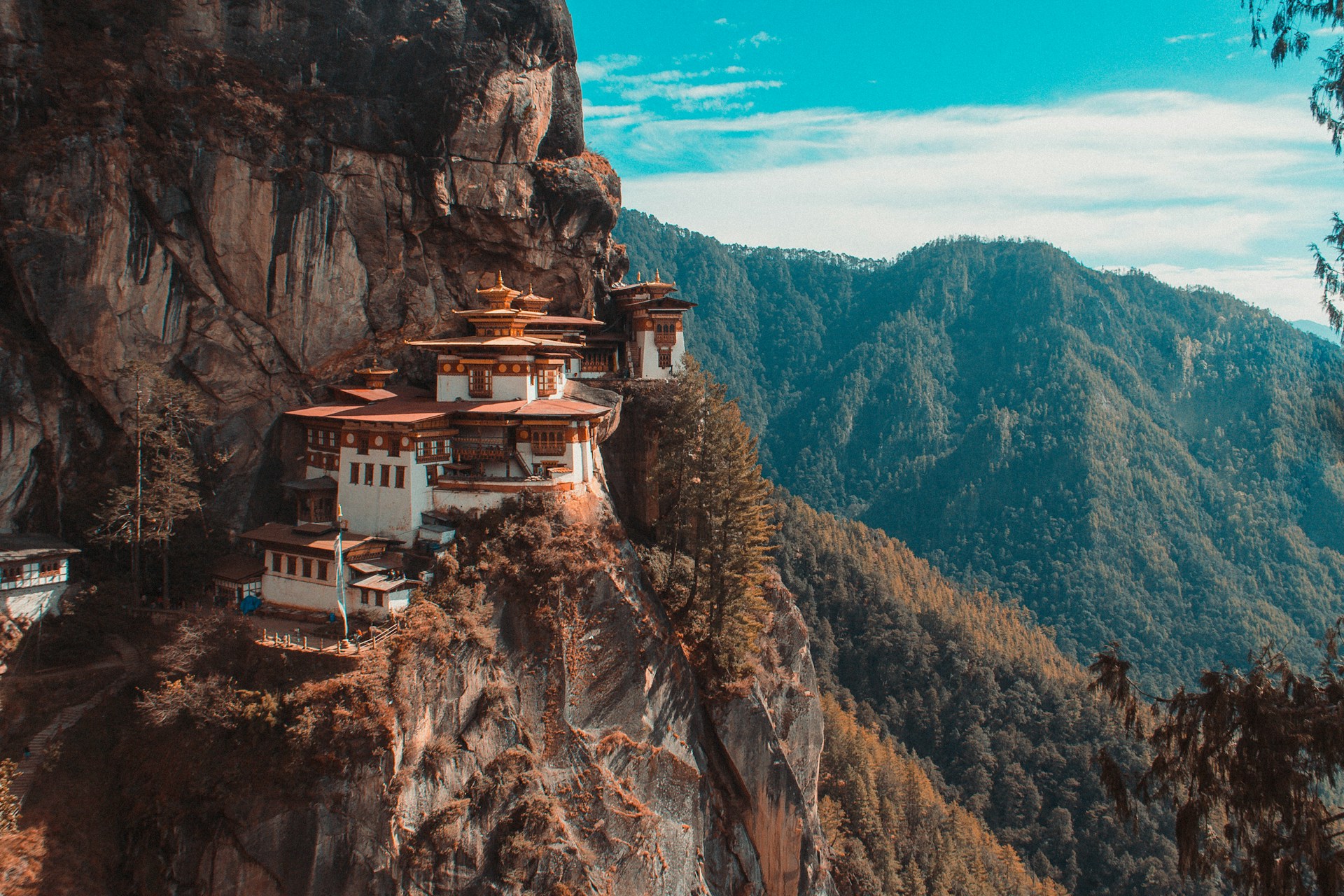
Photo by Aaron Santelices on Unsplash
Bhutan’s tourism model is built on a simple but radical premise: fewer visitors, higher value. Every international visitor pays a Sustainable Development Fee of USD 100 per night, on top of standard costs. The result is a tourism economy that attracts roughly 150,000 to 200,000 visitors annually, compared to Nepal’s 1.2 million . On Bhutan’s trails, you will almost never see another trekking group.
The lesson for Nepal is not that it should adopt a Bhutan-style flat fee—Nepal’s market is far larger, more price-sensitive, and more dependent on volume for employment. The lesson is about where the money goes. Bhutan’s SDF revenue is explicitly directed toward national priorities including free healthcare, education, environmental conservation, and cultural preservation . Trekking fee revenue in Nepal, by contrast, is often criticized for lacking transparency and visible reinvestment in the trails and communities that generate it.
Nepal already has a model for what this could look like. The Annapurna Conservation Area Project (ACAP) is Nepal’s only self-financing conservation area, using entry fees to support community infrastructure, alternative energy, and natural resource management. Scaling that logic across major trekking regions—with clear, published allocations for trail maintenance, waste systems, and porter welfare—would transform permit fees from a bureaucratic hurdle into a visible social contract.
Bhutan is also investing heavily in trekking infrastructure as a premium product, not a mass-market one. The government recently committed Nu. 40 million to maintain and improve trekking routes and campsites, positioning Bhutan as a high-value destination where trekkers stay longer and spend more in remote communities. Nepal’s classic routes are already famous; the opportunity is to make the lesser-known routes—Manaslu, Kanchenjunga, the Three Passes—into premium, well-supported alternatives that relieve pressure on Everest and Annapurna. For travellers curious about what else the country offers beyond the trail, guides to Nepal’s tourist places make clear how much of that value sits outside the trekking corridors entirely.
Peru: The Case for Hard Limits and a Single Authority
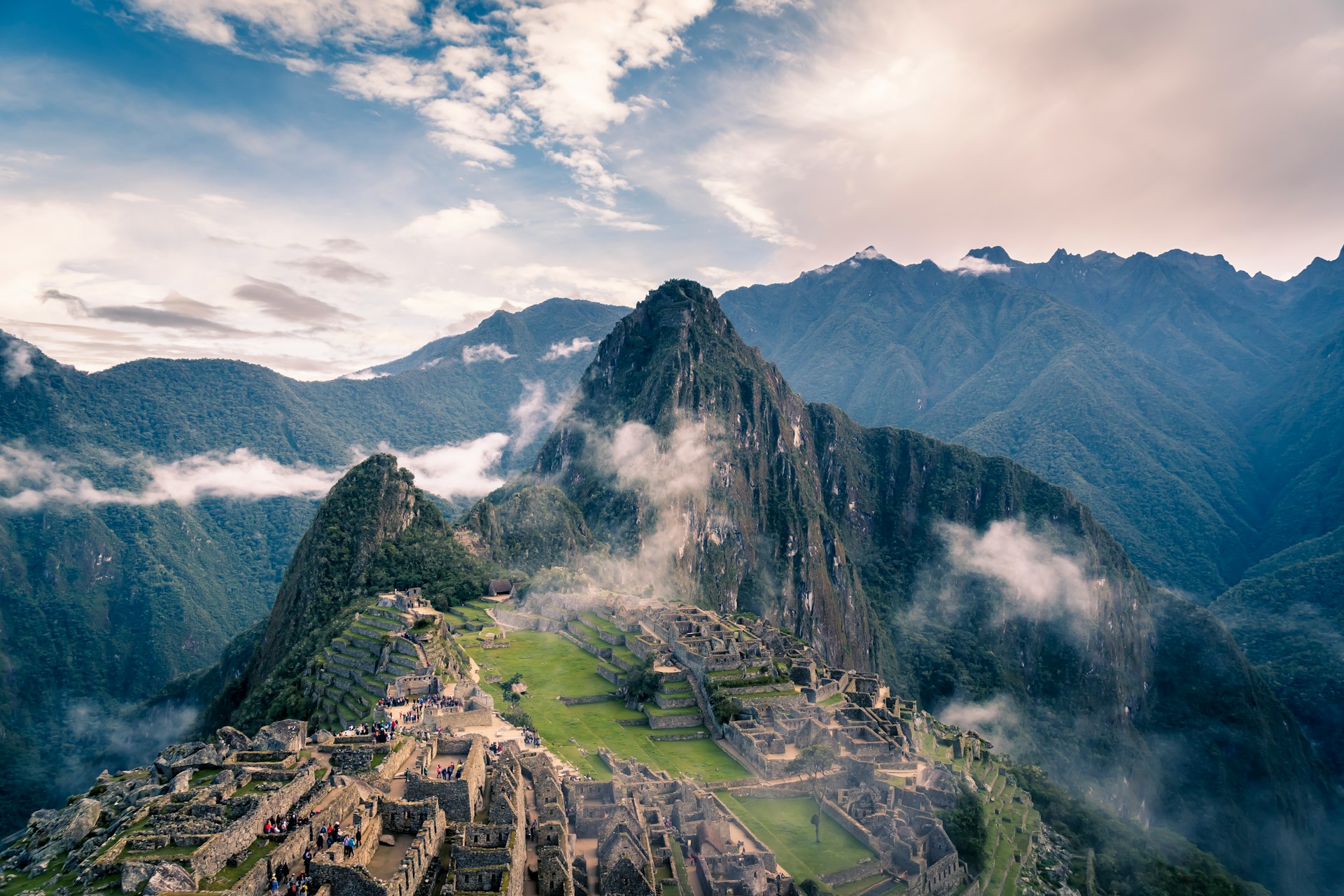
Photo by Willian Justen de Vasconcellos on Unsplash
The Inca Trail is the clearest example in the world of a trekking route saved by regulation. In 2002, amid concerns about environmental damage and UNESCO recommendations, Peru introduced strict regulations: a daily permit cap, mandatory guides, designated campsites, and a single booking system. The result is a trail that remains one of the world’s great walks without being loved to death.
Nepal has begun moving in this direction. A five-year action plan announced in late 2025 proposes limiting the number of climbers and regulating expedition schedules on Everest, following a Supreme Court directive to issue permits only after determining carrying capacity. New trekking regulations under discussion would also require climbers to demonstrate prior high-altitude experience before attempting Everest . The proposed Tourism Bill 2081, currently moving through Parliament, includes amendments that would require a prior 7,000-meter summit in Nepal before an Everest permit is issued, and would oblige the government to assess carrying capacity before opening any mountain for climbing .
But the Inca Trail model offers a deeper lesson: a single, centralized permit system with real enforcement. Nepal’s trekking permits are fragmented across different conservation areas, national parks, and local authorities. A trekker on the Annapurna Circuit may carry multiple permits from different agencies, with no unified data on how many people are on the trail at any given time. Peru’s system knows exactly how many people are on the Inca Trail each day and can turn them away when the limit is reached. Nepal cannot yet say the same for most of its routes.
The harder question is whether Nepal is willing to say no. The Inca Trail’s cap means lost revenue in the short term. Nepal’s political economy has historically favored growth over limits, but the Everest crowding images of recent years have made the cost of unlimited access impossible to ignore.
The Homestay Model: Community Ownership Without the Middleman

Agro tourism in Nepal
Some of the most interesting innovation in Nepal’s trekking sector is not coming from the government or the big trekking agencies. It is coming from homestays.
A cross-border initiative in the Kangchenjunga landscape—covering Nepal, India, and Bhutan—established 107 homestays by the end of 2021, including 19 in Nepal’s Ilam district. The model is deliberately low-cost and high-impact: families use existing household space to host trekkers, generating income for women and marginalized groups while creating demand for local produce, handicrafts, and guide services . In Nepal’s Ilam and India’s Darjeeling districts, these homestays became intertwined with biodiversity conservation and cultural heritage programs, encouraging responsible tourism that protected both natural and cultural treasures .
This is the opposite of the teahouse model’s trajectory on the classic routes, where ownership has consolidated and the authentic cultural exchange that trekkers seek can feel commodified. The homestay model distributes tourism income more widely and gives communities a direct stake in keeping trails clean and safe. Nepal’s trekking industry could learn from its own periphery: the future of trekking may not be bigger teahouses, but smaller, community-owned accommodations on routes that currently see almost no trekkers at all. As the amazing facts about Nepal remind anyone who spends time there, the country’s richness is not concentrated in a handful of famous trails.
The Missing Piece: A Vision Beyond Regulation

Perhaps the most pointed critique of Nepal’s trekking governance comes from a neighboring observer. A Sikkim newspaper, reflecting on Nepal’s proposed Tourism Bill 2081, noted that mountain tourism stakeholders have called for legislation that provides a long-term national roadmap rather than becoming “largely a mechanism for licences, regulations, penalties and administrative control” . The message: vision, not just regulation.
Nepal’s trekking industry is astonishingly well-organized in its operational details—the teahouses work, the guides are skilled, the routes are mapped. What it lacks is a coherent strategy for the next twenty years: how to distribute visitors away from the two or three overloaded routes, how to fund trail maintenance and waste management at scale, how to ensure that the porters and guides who make the industry function are protected and paid fairly, and how to adapt as climate change makes some routes more dangerous and others newly accessible.
Other destinations have shown that the tools exist. Bhutan has demonstrated that fees can fund conservation and community development if the political will is there. Peru has shown that limits work when they are enforced and centralized. Nepal’s own homestay movement has shown that community ownership can be both economically viable and culturally preservative. The question is whether Nepal’s trekking industry—and the government ministries that regulate it—can move from managing the present to designing the future.