Nepal’s trekking industry stands at a critical crossroads. The majestic Himalayas that draw adventurers from across the globe are transforming in ways that demand urgent action. Melting glaciers, unpredictable weather patterns, and shifting seasons are reshaping the very landscapes that trekking agencies depend on for their livelihoods. In response, Nepal’s trekking agencies are developing innovative adaptation strategies that blend traditional knowledge with modern technology, ensuring that the magic of Himalayan adventures endures for generations to come.
The Changing Face of Himalayan Trekking
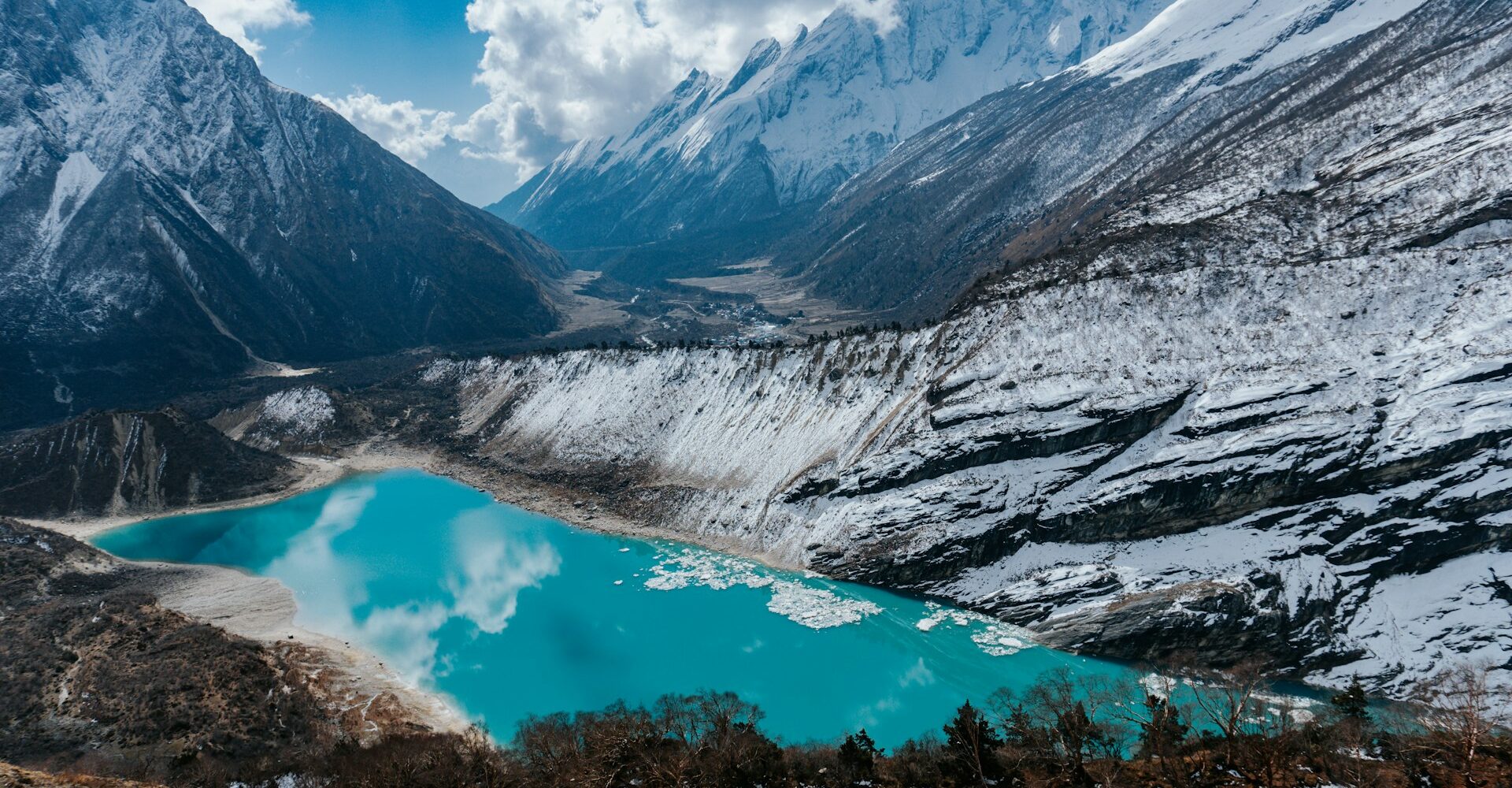
Climate change has already produced dramatic impacts across Nepal’s mountain regions. According to Nepal’s Department of Hydrology and Meteorology, the average temperature rise in the mountains is 0.086°C per year—significantly higher than the national average of 0.056°C. This warming has caused 24% of glacier area to retreat between 1977 and 2010.
These changes manifest in increasingly dangerous conditions. The autumn 2025 climbing season proved particularly deadly, with 12 climbers losing their lives in just one week due to avalanches and sudden snowstorms. Nearly 2,000 trekkers required evacuation from popular routes including Everest, Manaslu, Annapurna, and Langtang. As one mountain guide observed, “Going to the mountain is becoming riskier.”
For those planning a 10-day Nepal vacation itinerary that includes high-altitude trekking, understanding these changing conditions has become essential.
The Science Behind the Shift
Scientists point to several interconnected factors driving these changes. Kamal Ram Joshi, Director General at Nepal’s Department of Hydrology and Meteorology, explains that rising temperatures are triggering unexpected cryosphere hazards, making “the fragile mountain system more vulnerable, unpredictable and mountain hazards deadlier.”
The monsoon season has also undergone significant transformation. According to meteorologist Sudarshan Humagain at the Department of Hydrology and Meteorology (DHM), data from 1996 to 2025 shows that in 22 years the monsoon withdrew in October, with the shift becoming consistent since 2013. “October, which used to be mostly dry, is now experiencing rainfall.”
Watershed expert Madhukar Upadhya describes the disruption in precipitation as highly destructive, stressing that “the rain was not just high in intensity but lengthy as well. The overall pattern is different and unlike anything we can easily analyse or model with existing data.”
These changes affect not just mountain safety but also the entire trekking ecosystem, from trail conditions to teahouse operations to rescue logistics.
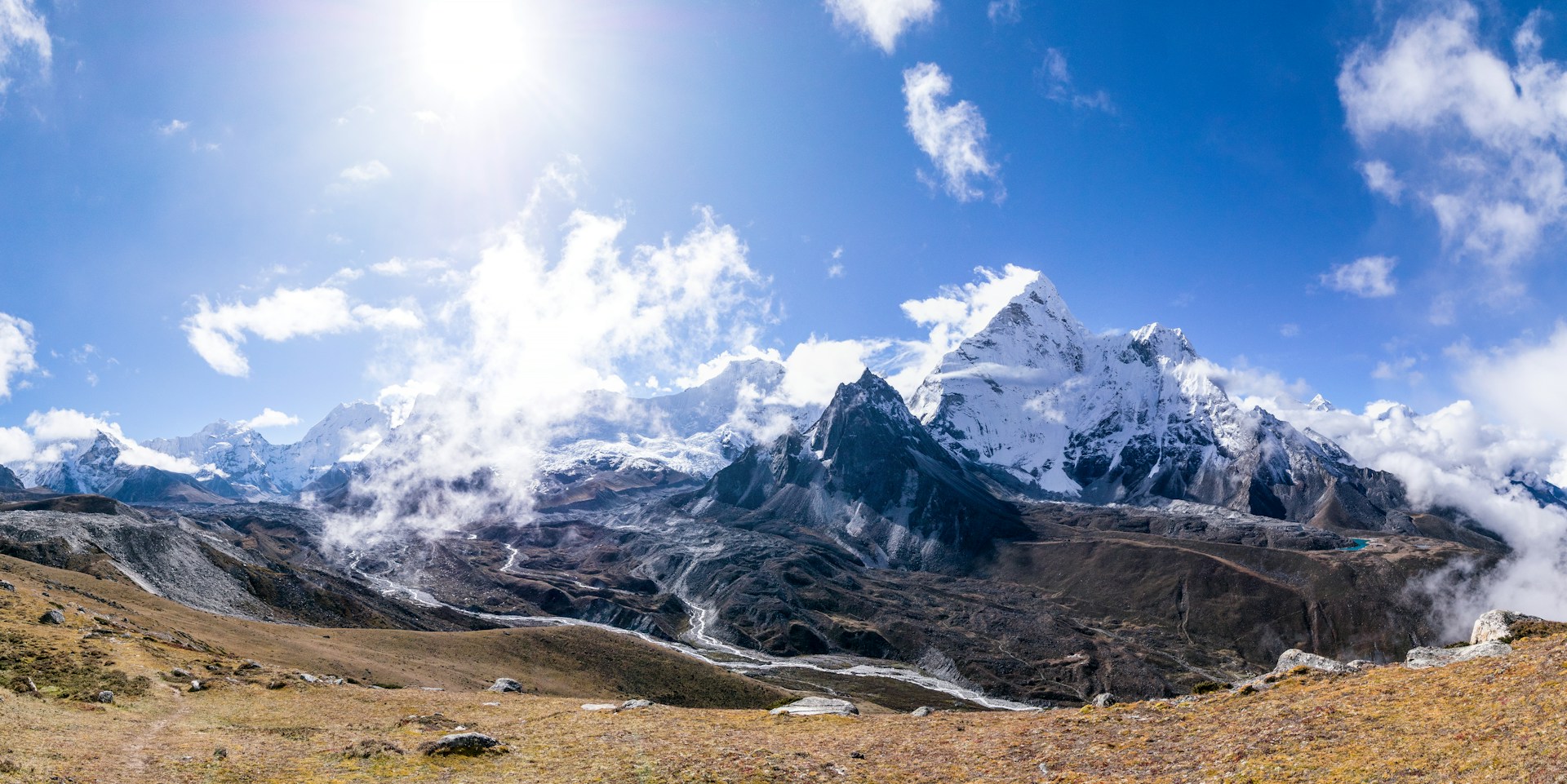
Photo by Toomas Tartes on Unsplash
How Trekking Agencies Are Responding
1. Shifting to Climate-Resilient Tourism Planning
The Nepal government has recognized the urgency of the situation. The National Trust for Nature Conservation (NTNC), supported by the Asian Development Bank, has launched a Climate-Resilient Landscapes and Livelihoods Project aimed at promoting sustainable, community-based ecotourism in Karnali and Sudurpashchim Provinces. This initiative focuses on tourism planning, infrastructure design, and capacity building—including assessing the feasibility of extending trekking trails toward Ramaroshan and Rara Lake to enhance the region’s nature-based economic potential.
Tribhuvan University’s Centre for Nepal and Asian Studies (CNAS) has also begun a three-year study project in the Khumbu, Langtang, Annapurna, and Hilsa regions. This research, conducted in consultation with the Trekking Agencies Association of Nepal (TAAN), aims to develop climate-resilient tourism plans with a sample survey of 1,600 participants. TAAN Senior Vice President Karma Sherpa emphasized that “only a policy that strengthens communities can deal with the problems of climate change.”
These efforts represent a fundamental shift in how Nepal approaches tourism development—moving from reactive crisis management to proactive climate adaptation planning.
2. Rethinking Trekking Seasons and Routes
One of the most significant adaptations involves a complete reassessment of traditional trekking seasons. Climate data reveals that the post-monsoon clear period now arrives approximately one to two weeks later than in past decades. The 2025 post-monsoon season recorded among the highest precipitation levels since 1981, surpassed only by 1985 and 2021-2022.
In response, forward-thinking agencies are:
Recommending mid-to-late October and November for optimal conditions
Promoting December trekking as a viable option with clearer skies and fewer crowds
Adjusting spring trek timing to account for extended winter conditions at high elevations
Some agencies are also diversifying their offerings by region and altitude rather than relying solely on traditional seasonal patterns. Areas like Upper Mustang and Dolpo, which lie in the rain-shadow zone, remain drier during monsoon and shoulder seasons, offering alternative trekking opportunities when other routes face weather challenges.
For those interested in exploring the country’s diverse offerings beyond trekking, understanding the range of Nepal tourist places can help travelers build flexibility into their plans.
3. Technology-Driven Safety Innovations
Technology is playing an increasingly crucial role in climate adaptation. The Great Himalaya Trail (GHT) Tourism System represents a pioneering approach that transforms trekkers into “citizen scientists” who collect field data and help map trails in real-time. Designated GHT Teahouses receive specialized sustainability training and provide “ground-truth” confirmation of satellite data, verifying hazard information about glacial lakes and landslides.
This system creates a self-improving network where satellite imagery identifies risks, which are then cross-referenced with maps and data collected by trekkers and teahouse operators. As the GHT initiative describes it, “Better data leads to better planning, faster mitigation, and safer mountain communities.”
However, challenges remain. Binu Maharjan, a senior meteorologist at the Meteorological Forecasting Division, noted that while technological advancements have made local-level forecasting easier, “we are still unable to reach specific areas like individual municipalities. We are currently providing forecasts at the district level.”
4. Infrastructure and Capacity Building
Nepal’s National Adaptation Programme of Action (NAPA) outlines comprehensive measures for climate-resilient tourism infrastructure. These include:
Establishing local, regional, and national weather forecasting and early warning system platforms at tourism destinations
Building accommodation facilities with insulation to address temperature extremes at higher altitudes
Establishing rescue centers and shelter houses at strategic points along trekking routes
Developing climate-resilient and environmentally friendly guidelines for protecting cultural heritage sites
The government has allocated substantial resources to these initiatives. A World Bank-supported project estimates cumulative incremental benefits of approximately US$300 million from increased tourism spending, with an estimated economic internal rate of return of 21.7 percent.
5. Sustainable and Regenerative Tourism Practices
Many trekking agencies are embracing sustainability as both an environmental imperative and a climate adaptation strategy. Adventure International Trekking’s 2024 sustainability report highlights several innovative practices:
Carbon offset programs: Offsetting emissions from client and staff car transfers by planting trees—approximately 400 trees were planted in 2024 alone
Electric vehicle adoption: Electric vehicles now comprise 50% of the vehicles used for operations
Plastic elimination: Providing 100% of clients and collaborators with reusable water bottles
Local economic support: 80% of trips organized in protected areas, with 95% of meals enjoyed at local restaurants
These practices reduce tourism’s environmental footprint while building goodwill with increasingly eco-conscious travelers.
6. Training and Professional Development
Climate adaptation requires a skilled workforce capable of managing new risks. Summit Adventure Academy, a leading provider of outdoor guide education in the Himalayas, emphasizes “expedition-based, challenge-focused learning” with sustainability at its core. The academy has planted over 2,000 native and fruit trees to protect and restore stream biodiversity while supporting marginalized communities.
Additionally, the GHT Tourism System provides specialized sustainability training to designated teahouses, ensuring that local businesses can participate in and benefit from climate adaptation efforts.
Challenges and Limitations
Despite these promising adaptations, significant challenges remain. Commercial pressures can promote environmentally damaging practices, power imbalances exist within the tourism sector, and enforcement of policies remains weak.
Additionally, implementing climate-resilient infrastructure requires substantial investment. The gap between planned initiatives and actual implementation remains considerable. As meteorologist Binu Maharjan noted, “To give specific local area warnings, we lack the necessary advanced technology.”
The unpredictability of current weather patterns also poses fundamental challenges. As Madhukar Upadhya observed, the precipitation disruption is “unlike anything we can easily analyse or model with existing data.”
The Way Forward
Nepal’s trekking agencies are demonstrating remarkable resilience and innovation in the face of climate change. By combining traditional mountain wisdom with modern technology, shifting to more sustainable practices, and investing in safety infrastructure, they are working to ensure that future generations can continue to experience the transformative power of Himalayan adventures.
For travelers, this means being more flexible with plans, choosing agencies committed to sustainable practices, and understanding that weather patterns once taken for granted can no longer be relied upon. The Nepal that amazing facts describe as home to eight of the world’s fourteen highest peaks remains one of Earth’s most spectacular destinations—but it is a destination in transition.
The trekking agencies that adapt most successfully will be those that recognize climate change not merely as a threat to be managed, but as a catalyst for positive transformation. By embracing regenerative tourism, supporting local communities, and prioritizing safety through technology and training, Nepal’s trekking industry can build a more resilient and sustainable future.
The mountains will endure. With thoughtful adaptation, so too will the industry that celebrates them.