If you’ve been following international news lately, you may have seen headlines about protests and political demonstrations in Nepal. For anyone planning a dream trek to the Himalayas, this can understandably cause concern. However, the reality for travelers is far less alarming than the headlines might suggest.
This article aims to provide context to the recent events and explain why, for the vast majority of tourists, the political situation has little to no impact on the safety and enjoyment of a holiday in Nepal.
Context: What’s Happening in Nepal?
Nepal is a vibrant democracy, and public demonstration is a normal part of its political process. The recent protests are largely concentrated in specific urban centers, primarily the capital city of Kathmandu, and are often focused on particular government buildings or political party offices.
The issues at hand are complex and deeply internal, typically relating to political alliances, governance, and constitutional matters. These are important debates for the future of Nepal, but they are not targeted at tourists, tourism infrastructure, or foreign visitors in any way.
Why Tourism Remains Largely Unaffected
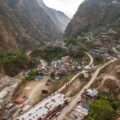
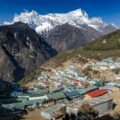
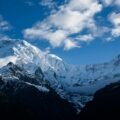
Localized Events: The protests are not nationwide. They are confined to small, specific areas within a few major cities. The iconic tourist destinations—the Everest region, the Annapurna Sanctuary, Pokhara, Chitwan National Park, Lumbini, and the vast majority of trekking trails—are located far from these activities. Life in these areas continues as normal, with tea houses bustling, trails open, and communities welcoming travelers as they always have.
The Tourism Industry is a Priority: Nepal’s economy relies significantly on tourism. Everyone, from the government to local lodge owners, porters, and guides, has a vested interest in ensuring tourists feel safe and have a positive experience. The tourism sector operates with a high degree of professionalism and is adept at insulating visitors from any temporary political disruptions in the capital.
Short-Lived and Peaceful: While media often highlights the most dramatic images, many demonstrations are peaceful and short-lived. The Nepali people are known for their hospitality and warmth, and this extends to visitors even during periods of internal political expression. There is no history of animosity towards tourists during these events.
Proactive Communication from Tour Operators: Reputable trekking agencies and tour operators are highly attuned to the on-ground situation. Companies like Independent Trekking Guide Nepal prioritize client safety above all else. They monitor events in real-time and are quick to adjust itineraries if any travel route were ever to be temporarily affected, ensuring a seamless and secure experience for their clients.
What Should Travelers Do?

For those with planned trips or considering travel to Nepal, here is a practical guide:
Stay Informed, But Don’t Panic: Differentiate between sensational headlines and reality. Follow updates from your country’s travel advisory (e.g., UK FCDO, US State Department) for a measured perspective. Their advice often confirms that travel to Nepal’s main tourist areas remains safe.
Communicate with Your Agency: If you have booked a tour, stay in close contact with your local agency. They are your best source of accurate, on-the-ground information. A reliable agency will provide transparent updates and reassurance. For instance, a quick consultation with a knowledgeable trekking guide in Nepal can clarify any concerns and confirm that trekking routes are operating as usual.
Exercise General Caution: The advice for any traveler in any foreign city applies: avoid large gatherings and demonstrations. If you happen to be in Kathmandu during a protest, simply steer clear of the specific area where it is happening, just as you would in any other major city worldwide.
Focus on the Destination: Remember that your Himalayan adventure takes place in the serene mountains, not in the political corridors of Kathmandu. The air is still clear, the peaks are still majestic, and the cultural experiences in the villages remain untouched.
The Bottom Line
Nepal’s political protests are a reflection of its active democracy, not a sign of instability that threatens tourists. The tourism industry operates in a parallel world of mountain trails, tranquil lakes, and wildlife jungles, far removed from the fleeting headlines.
The country continues to welcome travelers with open arms. The true story of Nepal—one of breathtaking natural beauty and incredible human resilience—is waiting to be experienced, completely unaffected by the temporary events in the capital.