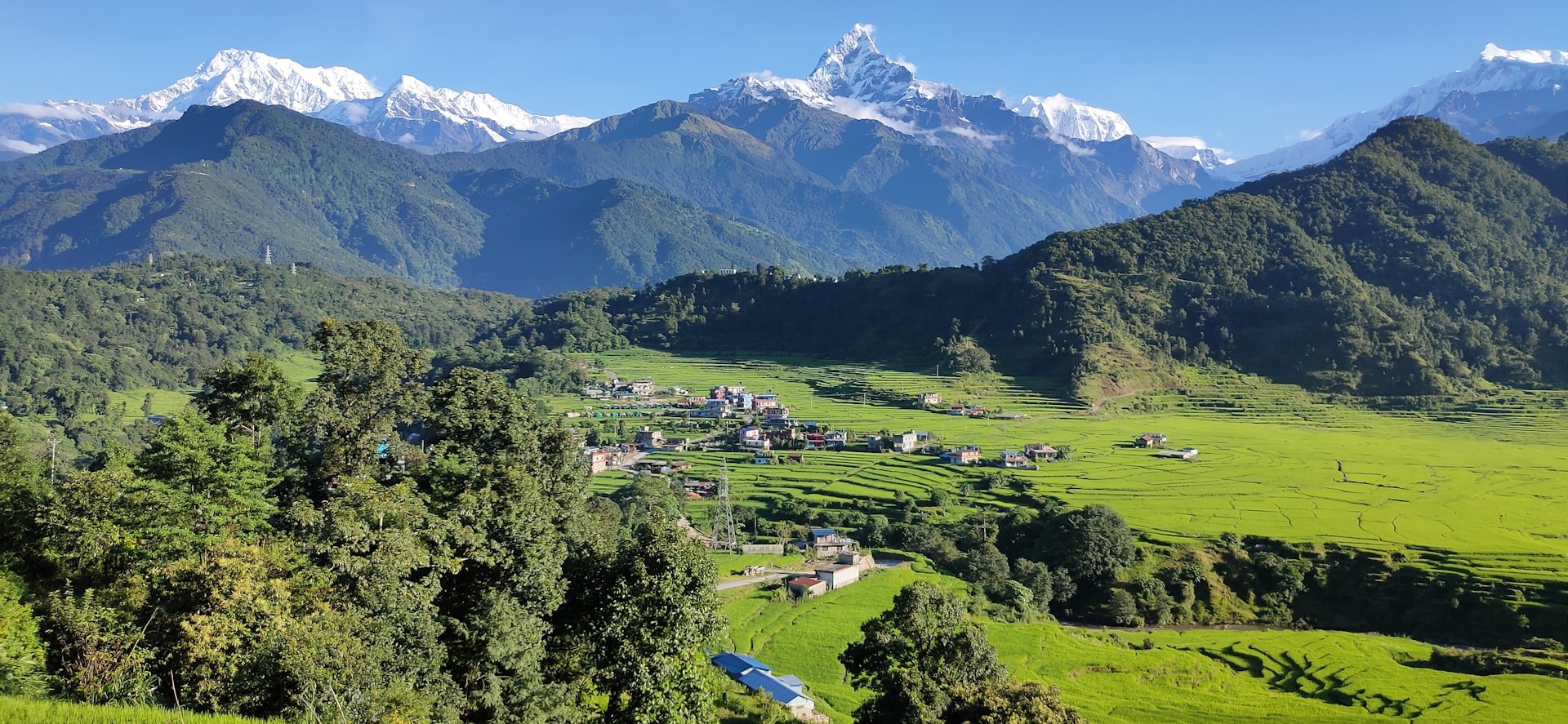
When people think about trekking in Nepal, they usually picture crisp autumn skies or the pre-monsoon warmth of spring. Monsoon season — roughly June to August — rarely makes the shortlist. But for the right trekker on the right route, monsoon trekking can be one of the most rewarding, and least crowded, ways to experience the Himalayas.
Here’s an honest look at what monsoon trekking really involves, so you can decide if it’s worth it for you.
What Monsoon Trekking Actually Looks Like
Nepal’s monsoon season, tracked officially by the Department of Hydrology and Meteorology (DHM), typically runs from June to September, with onset and withdrawal dates varying slightly year to year (DHM publishes seasonal monsoon reports if you want to check current conditions before you go). It brings heavy rainfall to the lower and mid-hill regions, especially in the afternoons and evenings. Trails can turn muddy, leeches become a common (if unglamorous) companion below 2,000m, and low-altitude views are often blanketed in cloud. Mornings, however, tend to be clear, and many trekkers build their walking schedule around this — starting early and reaching teahouses before the rain rolls in.
The experience is quieter, greener, and slower-paced than peak season. Trails that are packed with trekkers in October can feel almost empty in July.
Where Monsoon Trekking Works Well
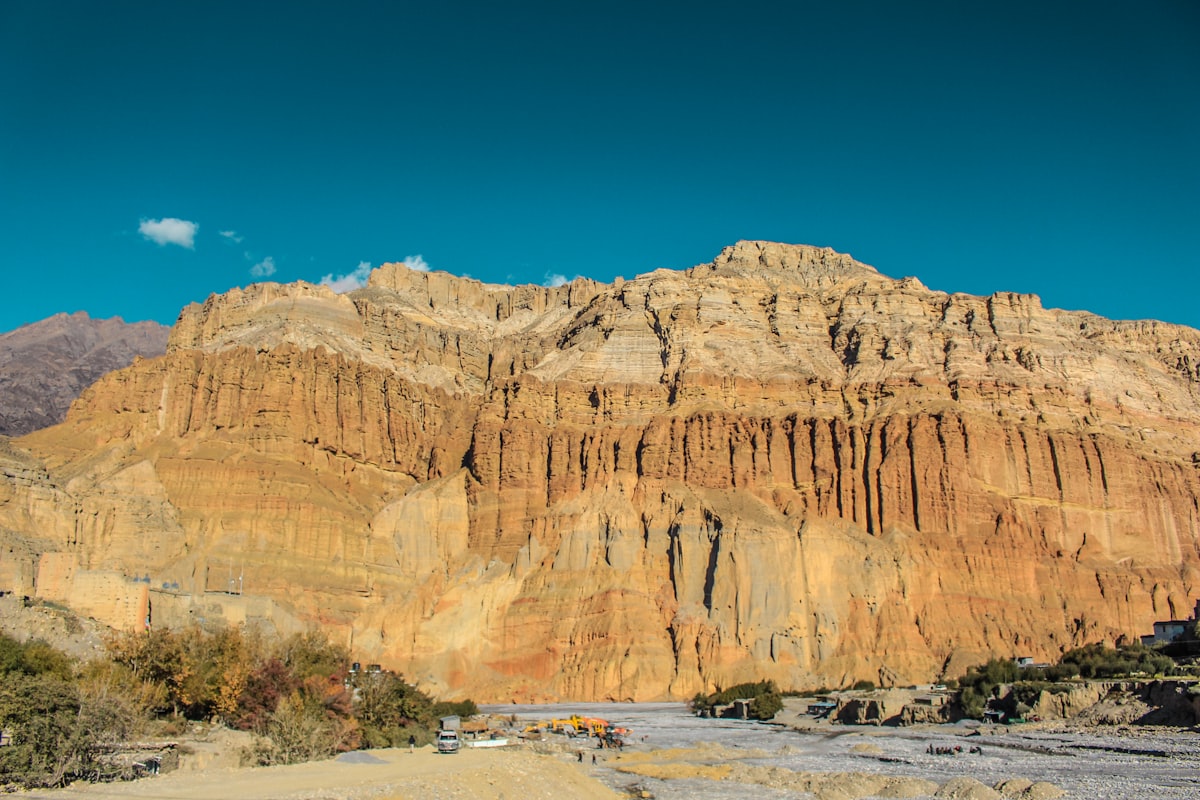
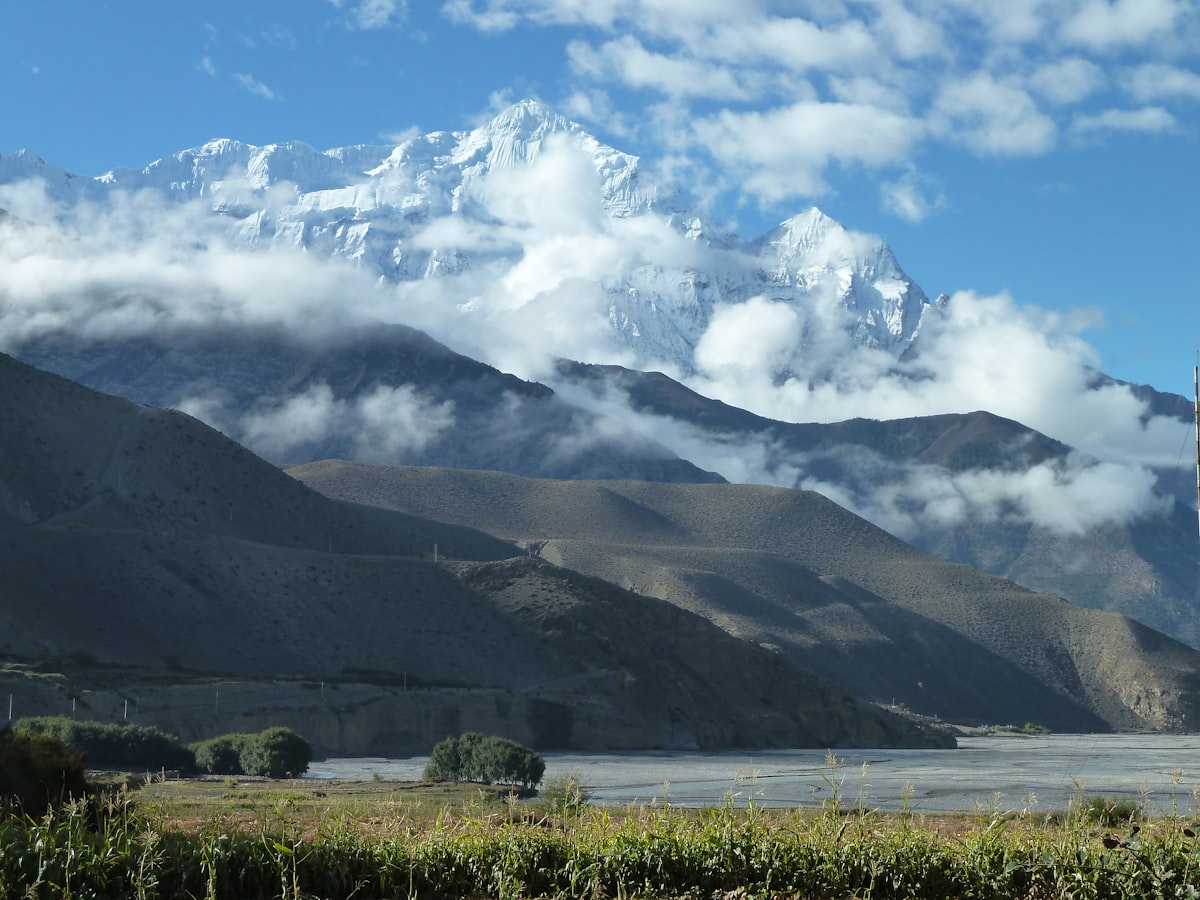
Not all of Nepal experiences monsoon the same way. The regions north of the Himalayan range sit in a rain shadow, meaning they receive far less rainfall because the mountains block the monsoon clouds. These are the best monsoon options:
- Upper Mustang — Dry, dramatic, desert-like landscapes largely untouched by monsoon rains.
- Dolpo — Remote and rain-shadowed, ideal for trekkers wanting solitude.
- Nar Phu Valley — A hidden gem near Annapurna that stays relatively dry.
- Upper Manaslu (beyond Samagaon) — Increasingly dry as you gain altitude and move north.
These treks let you avoid the worst of the rain while still getting a genuine Himalayan trekking experience.
Where Monsoon Trekking Is Tougher
Classic lower-altitude routes like the lower Annapurna foothills, Ghorepani-Poon Hill, or the early stages of most treks take the brunt of the rain. Expect muddy trails, leeches, occasional landslides on exposed sections, and limited mountain visibility. These treks are still doable, just less comfortable and less scenic than in other seasons.
The Upsides of Trekking in Monsoon
- Fewer crowds — Teahouses are quiet, trails are peaceful, and you won’t be queuing for a room.
- Lush, vivid landscapes — Terraced hillsides and forests are at their greenest, and Nepal’s mountain flora is in full bloom.
- Lower prices — Flights, permits negotiations, and accommodation are often cheaper or more flexible.
- Cultural festivals — Monsoon season overlaps with several Nepali festivals, offering a deeper cultural experience along the way.
The Downsides to Weigh
- Limited mountain views on lower-altitude routes due to persistent cloud cover
- Leeches on forested, humid trail sections
- Flight delays or cancellations to mountain airstrips like Lukla, which are weather-dependent
- Trail conditions can be slippery, and landslide risk increases on certain routes
- Humidity and heat at lower elevations, which some trekkers find more tiring than cold, dry air
Tips If You Decide to Go
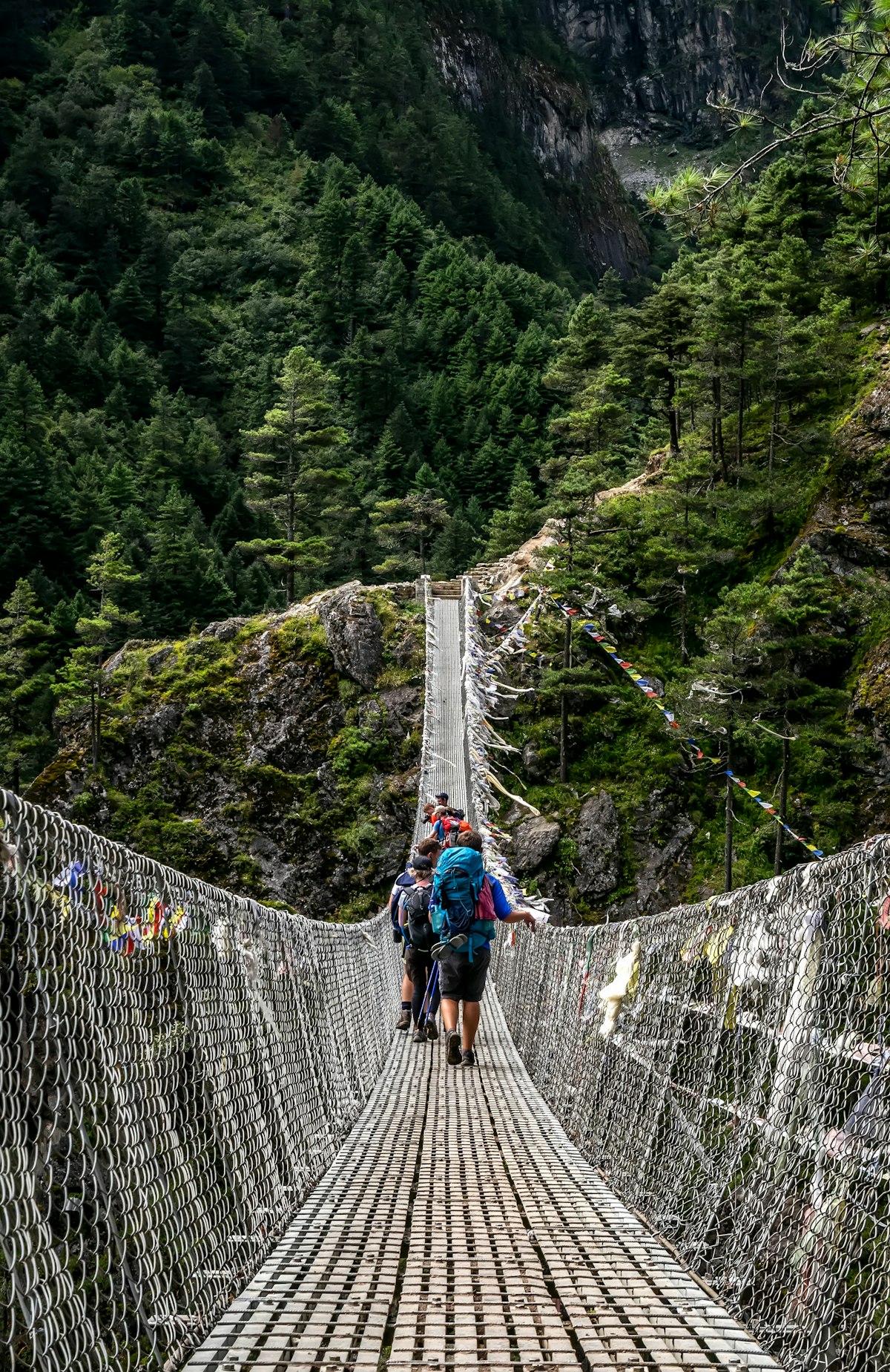
- Choose a rain-shadow route (Upper Mustang, Dolpo, or Nar Phu) if mountain views matter to you.
- Start walking early, before the afternoon rains typically arrive.
- Pack a good rain jacket, quick-dry clothing, and leech socks or salt for lower-altitude routes.
- Build in flexible days if you’re flying to trailheads like Lukla, in case of weather delays.
- Bring proper waterproof covers for your pack and electronics.
- Whatever the season, follow proper acclimatization guidance — the Himalayan Rescue Association Nepal runs aid posts at Pheriche and Manang and publishes reliable altitude sickness prevention advice.
So, Is It Worth It?
If you’re chasing wide-open Everest or Annapurna panoramas, monsoon isn’t the ideal season. But if you want solitude, dramatic rain-shadow landscapes, lower costs, and a genuinely different side of Nepal, trekking during monsoon can be well worth it — especially on the right route.
The key is picking a trail that matches the season, rather than forcing a classic route into the wrong time of year. Talk to a local trekking agency about rain-shadow options like Upper Mustang or Dolpo, and monsoon might just become your favorite season to trek.
For official travel and safety updates, the Nepal Tourism Board is a useful resource for planning any trek, in any season.
Ready to plan your monsoon trek? Our team knows exactly which routes stay dry, scenic, and safe this time of year. Get in touch with us today for a personalized itinerary, permit assistance, and expert route recommendations built around the season.