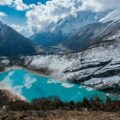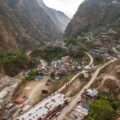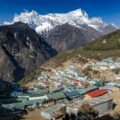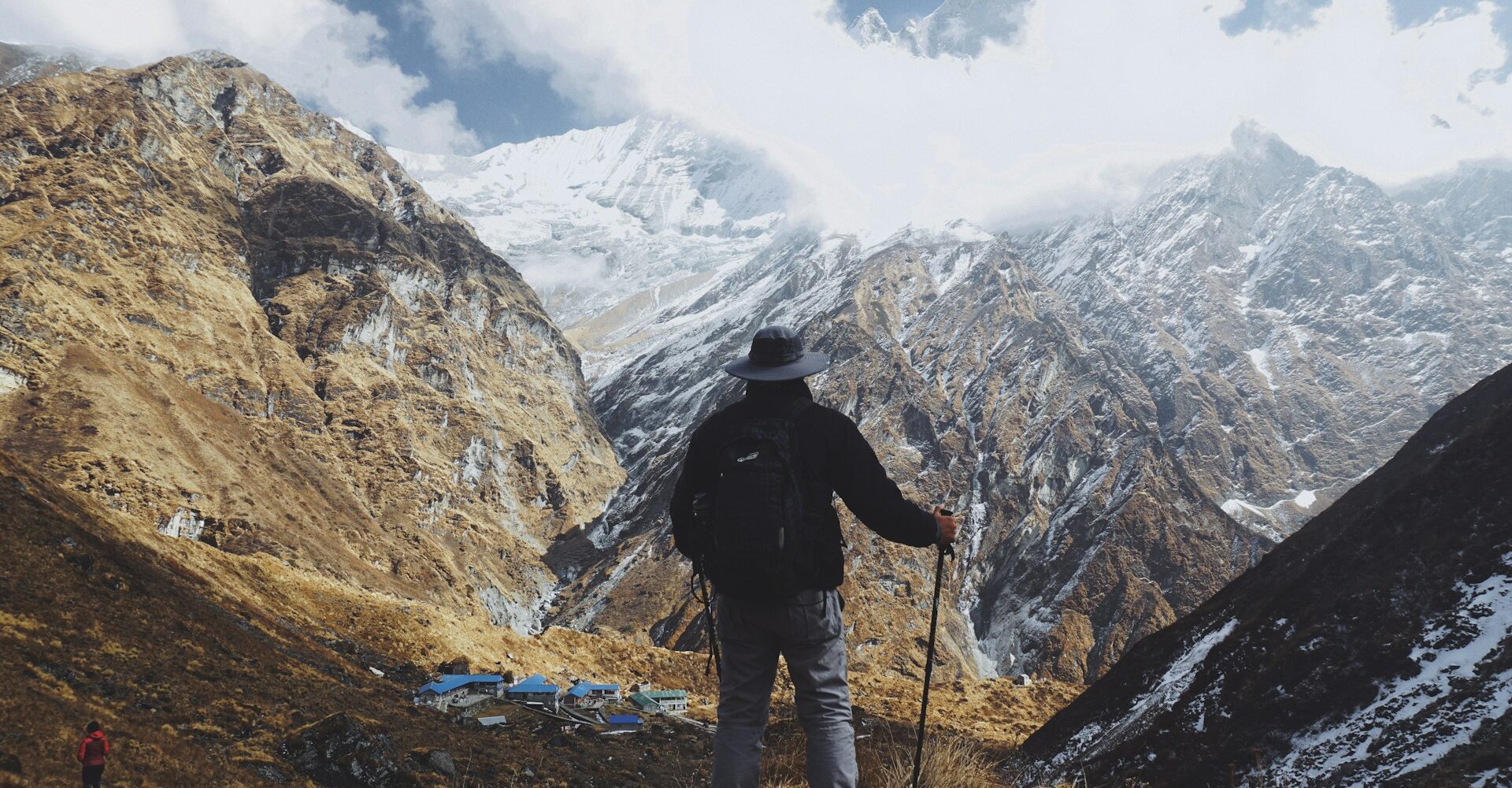
You’ve done it. You stood at Base Camp, crossed the high passes, or watched the sunrise paint the Annapurnas gold. The adrenaline is still humming, your legs are aching in ways you didn’t know were possible, and your mind is somewhere between euphoria and exhaustion. The trek is over—but the experience isn’t. What you do in the days after your Himalayan adventure can shape how you remember it, how your body heals, and how the journey settles into your life long after the blisters fade.
Recovery: Your Body Just Did Something Extraordinary
Let’s be honest about what trekking in Nepal does to your body. Days of steep ascents and descents, altitude that tests your lungs, and the constant effort of carrying yourself (and sometimes your pack) through terrain that doesn’t believe in flat ground. Your muscles have micro-tears, your joints have taken a beating, and your hydration levels are likely somewhere below optimal.
The first priority is rehydration. Trekking at altitude is merciless on your fluids—even on cold days, you’re sweating more than you realize. Start with water, then move to electrolyte-rich options like coconut water or oral rehydration salts. Local herbal teas—ginger, lemongrass—are calming and help with digestion. Skip the celebratory beer and coffee for a few days; they’ll only dehydrate you further and delay healing.
Sleep is when your body actually repairs itself. After nights in tea houses with thin walls and early wake-up calls, give yourself permission to sleep in. Nap. Go to bed embarrassingly early. Your muscles rebuild during deep sleep, and your nervous system needs the reset.
Don’t make the mistake of total inactivity, though. Gentle movement—short walks, light stretching, a beginner’s yoga class—helps flush out lactic acid and reduces stiffness. Many centers in Pokhara and Kathmandu offer classes specifically designed for trekkers, focusing on hamstrings, calves, lower back, and shoulders. If you’re in Kathmandu, a trekker-focused yoga and sound healing session can be a profound way to release both physical and mental tension.
Your feet deserve a medal and a spa day. Soak them in warm water with Epsom salts. Moisturize. Deal with blisters gently. They carried you every step of the way.
Relaxation: Nepal Is Very Good at This
Nepal doesn’t just offer recovery—it offers restoration. The same country that gave you thin air and steep trails also has hot springs, spa traditions, and cities designed for exhaling.
Pokhara is the natural first stop for many trekkers. Lakeside is a strip of cafés, bookshops, and restaurants where you can sit by Phewa Lake, watch the paragliders drift down from Sarangkot, and do absolutely nothing of consequence. If you want your relaxation with a view, places like Tiger Mountain Pokhara Lodge offer infinity pools with Annapurna panoramas, Ayurvedic treatments, and the kind of quiet that lets your nervous system finally unclench.

For something more elemental, hot springs are a trekker’s best friend. Jhinu Danda, on the Annapurna route, is the most famous—natural warm water pools where you can soak away days of trail dust. Tatopani is another beloved stop. There’s something almost ritualistic about sinking into warm water while the river rushes past and the mountains stand silent above.
Massage in Nepal is not a luxury—it’s a recovery tool. Traditional Nepali oil massage, Ayurvedic treatments, deep tissue work focused on tired legs and backs. In Thamel or Lakeside, you’ll find therapists who understand exactly what a trekker’s body needs. Singing bowl therapy combined with sports massage is particularly popular for resetting both muscles and mind.
If you have the time and inclination, Dwarika’s Resort in Dhulikhel takes wellness to another level entirely. Ayurvedic consultations, Himalayan salt rooms, chakra sound chambers, meditation mazes—it’s the kind of place where recovery becomes a practice rather than a task.
Reflection: Let It Settle
Here’s the thing about trekking in Nepal: the mountains don’t just change your body. They change something quieter. The scale of the Himalayas, the silence of high places, the simplicity of walking for days—these things work on you in ways that take time to surface. But they won’t surface if you don’t give them space.
Nepal makes reflection easy. Evenings here are naturally slower. People sleep earlier. Days start early. On a trek, you reach your lodge by afternoon with tea in hand and nowhere else to be. In the cities, despite the buzz, evenings wind down sooner than you expect. The country hands you the time—you just have to use it.
Journal while it’s fresh. Not for anyone else—for you. What surprised you? What was harder than expected? What moment do you keep returning to? The conversations with guides, the unexpected kindness of strangers, the moment you wanted to quit and didn’t. These are the things that blur if you don’t capture them.
Look at your photos, but not just to post them. Go through them slowly. Remember what the air felt like. Remember the sounds. Remember who you were at that altitude.
Some trekkers experience what’s sometimes called the “post-trek blues” —a strange disorientation that comes from returning to a world of noise and speed after weeks of simplicity. If you feel it, know that it’s normal. The mountains offer a kind of clarity that daily life rarely does. The work is finding ways to carry that clarity home without needing to be on a trail.
Share your story, but also listen to yourself. Talk to your guide before you leave—they often understand the journey you’ve been through better than you do yourself. Their perspective can shift something. Write a review for the people who made your trek possible. Tell someone about the moment that mattered most. The act of speaking it aloud makes it real in a different way.
The Transition
If you’re flying home soon, re-integrate slowly. The contrast between the stillness of the mountains and the demands of normal life can be jarring. Protect some solitude. Don’t rush to fill every moment. Let the trek continue to teach you, even from a distance.
If you have extra days, consider what Nepal still has to offer. Chitwan National Park offers a complete change of pace—flat, lush, full of rhinos and birds and a different kind of wildness. Bhaktapur or Patan offer culture and architecture and the gentle pleasure of getting lost in ancient streets. Or simply stay in Pokhara a little longer, watching the mountains you just walked among, now at a distance, now part of your story.
A Final Thought
The trek ends, but the experience doesn’t have to. How you recover, relax, and reflect shapes whether those weeks in the Himalayas become a memory you glance back at or something that actually changes how you move through the world. Nepal gives you the space. Your body gives you the signals. All you have to do is listen.
And maybe book that massage. You’ve earned it.