The devastating flood that swept through Nepal’s Rasuwa district on August 26, 2026, has left many travelers wondering whether their Himalayan trekking plans are still viable. With international headlines painting a picture of widespread destruction, it’s natural to have concerns. This article provides a clear, honest assessment of the current situation, which routes are affected, and why the vast majority of Nepal’s trekking trails remain safe and open for the autumn season.
Understanding What Happened
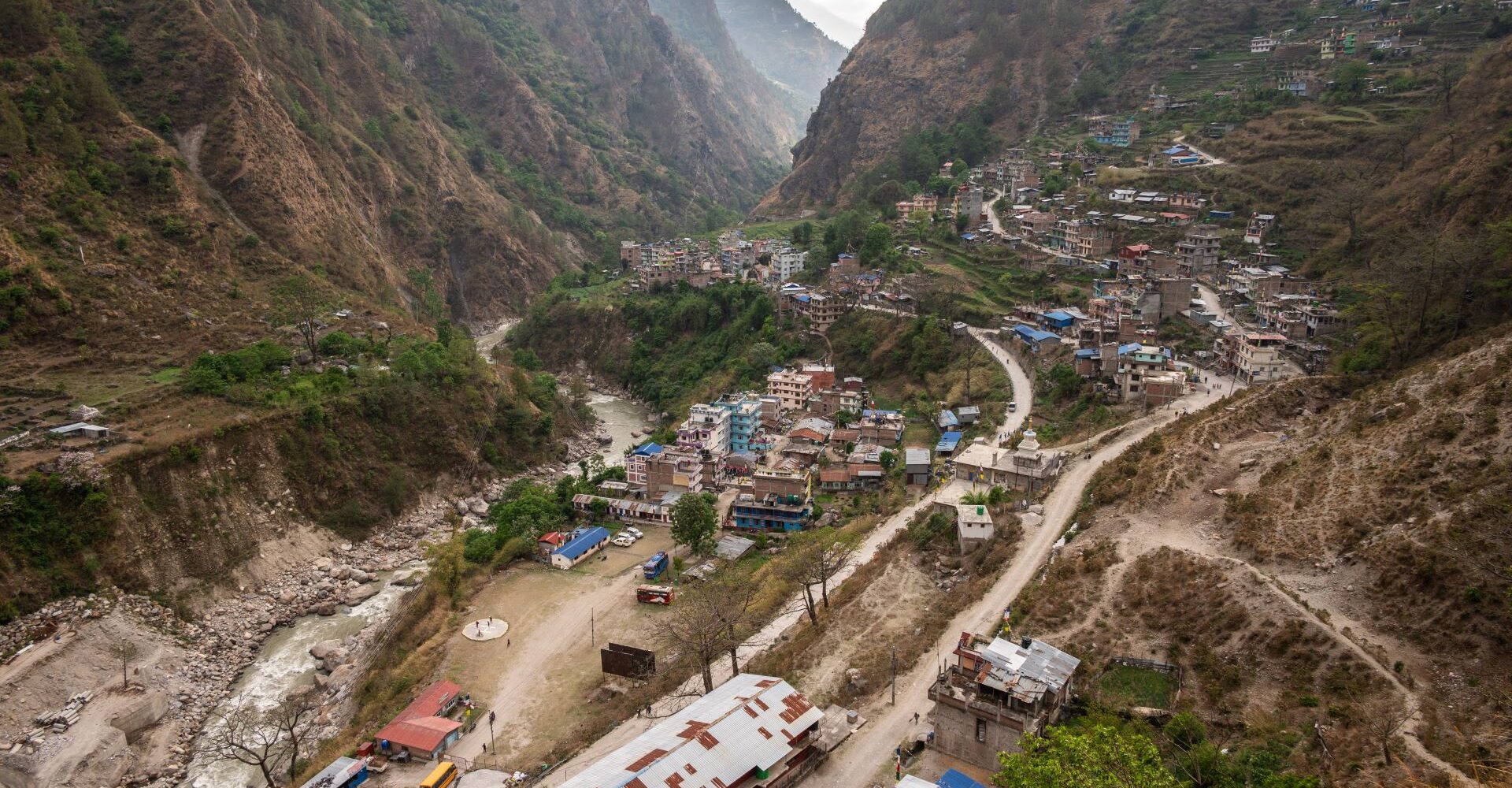
On the morning of August 26, 2026, an ice-rock avalanche triggered a catastrophic flash flood in the Bhote Koshi and Trishuli river systems of Rasuwa district, northern Nepal. The disaster originated approximately 20 kilometers northeast of the Rasuwagadhi border crossing, where a glacier collapse blocked the Lhende River, forming a temporary dam that eventually burst, sending a wall of water and debris downstream.
The impact was severe and concentrated. As of early September, official figures reported over 900 confirmed deaths, with thousands still missing across affected districts including Rasuwa, Nuwakot, Dhading, Chitwan, and Gorkha. The Nepal government declared Rasuwa, Nuwakot, and Dhading as “disaster crisis zones,” and the U.S. Embassy issued a Level 4 “Do Not Travel” advisory—but crucially, this advisory applies only to the specific Rasuwagadhi-Timure-Syafrubesi corridor, not to Nepal as a whole.
To see the full scale of this tragedy in pictures, we recommend reading Al Jazeera’s photo gallery, Aftermath of the Nepal-China floods in 30 Photos, which documents the destruction across the Trishuli and Bhotekoshi river systems and the ongoing rescue efforts.
Which Trekking Routes Are Affected?
The disaster was geographically concentrated along one specific river corridor. Understanding this is essential for planning your trek.
Routes Currently Affected or Closed
The following routes are not recommended for travel at this time:
Langtang Valley Trek: While the valley itself remains intact, all overland access through the Trishuli-Rasuwa corridor has been severely disrupted. Road damage beyond Dhunche has prevented normal travel to Syafrubesi and the Langtang trailhead.
Tamang Heritage Trail: Located within the affected Rasuwa district, this route is currently inaccessible.
Gosaikunda Trek via Syafrubesi: The traditional approach through the affected corridor is disrupted, though alternative approaches from the Kathmandu side remain possible.
Kailash Mansarovar Yatra via Kerung/Rasuwagadhi: The border corridor has been severely affected, and China has suspended permits for the region.
Local estimates suggest Langtang and Gosaikunda routes may not be fully operational again until late September or October, pending infrastructure restoration.
Routes That Are Safe and Operating Normally
Here is the reassuring news: the following major trekking regions were entirely unaffected by the flood and are operating normally:
Everest Base Camp and the entire Khumbu region: The Everest region lies in the Koshi basin, a completely different river system. Flights to Lukla, trail access, teahouse accommodation, and guide operations are fully normal.
Annapurna Circuit and Annapurna Base Camp: These routes are unaffected and open.
Upper Mustang: Open and operating normally.
Manaslu, Kanchenjunga, Makalu, Dolpo, Rara: All unaffected by this specific disaster.
These unaffected regions account for more than 80 percent of all trekking permits issued in Nepal annually. The Trekking Agencies’ Association of Nepal (TAAN) has confirmed that Kathmandu, Pokhara, Chitwan, and Lumbini remain fully operational, and all standard trekking permits continue to be issued normally.
Is Nepal Safe for Trekking Now?
Yes, for the vast majority of Nepal’s trekking routes. The disaster was geographically concentrated along the Rasuwa/Trishuli corridor. International headlines about a major flood can give the impression that the entire country is affected, but Nepal’s trekking geography is extensive, and conditions vary significantly between regions.
Tribhuvan International Airport in Kathmandu remains open and continues to handle domestic and international flights. Most areas of Nepal remain open to travelers.
However, travelers should be aware of these ongoing considerations:
Monsoon season: Nepal is still in the tail end of monsoon season, and additional flooding or landslides remain possible in affected areas. If you’re considering trekking during this period, it’s worth understanding the nuances of trekking in Nepal during monsoon and which rain-shadow routes remain viable.
Road conditions: Some highways in central Nepal have been affected. The Prithvi Highway has been partially reopened, but conditions can change quickly. The Mugling-Narayangadh road and the Galchhi-Nuwakot-Rasuwa-Syafrubesi corridor should be avoided.
Downstream districts: Nuwakot, Dhading, Chitwan, Gorkha, and Tanahun experienced flood impacts along the river system, though trekking routes in these areas are not typically affected.
The Autumn Trekking Season: What to Expect
The timing of this disaster, while tragic, occurred before the main autumn trekking season had fully begun. The autumn months of September through November remain the best time to trek in Nepal, offering clear skies, stable weather, and excellent mountain views. Understanding the trekking season in Nepal is essential for planning a successful trip, and this year is no exception—for the unaffected regions.
For travelers considering a Nepal trek this autumn, choosing a route outside the affected Rasuwa corridor is both safe and a meaningful way to support Nepal’s tourism recovery. The Everest, Annapurna, and Upper Mustang regions—home to Nepal’s most iconic trails—remain fully open and ready to welcome trekkers.
What to Do If You Have a Trek Booked
If Your Trek Is in an Affected Area
Contact your trekking agency or guide immediately to confirm current conditions and discuss alternatives.
Consider rebooking or rerouting to an unaffected region such as Everest, Annapurna, or Upper Mustang.
Document everything for insurance purposes. The event date (August 26, 2026) and affected route information should be noted for any claims.
If Your Trek Is in an Unaffected Area
Your trek can proceed as planned. These regions are operating normally, and permits are being issued without disruption. Monitor official sources for any updates, but there is no reason to cancel based on this disaster alone.
General Safety Precautions for All Travelers
Stay away from riverbanks, low-lying areas, damaged bridges, and unstable slopes.
Check local road and weather conditions before any journey.
Keep your passport, medicines, and essential documents in a waterproof bag.
Register with your embassy’s traveler enrollment program if available.
Do not travel to disaster zones independently to view the damage.
Why Nepal Remains a Remarkable Destination
Despite this tragedy, Nepal’s enduring appeal remains undiminished. This is a country of extraordinary contrasts and wonders—from being home to 8 of the world’s 14 highest peaks to having the world’s only non-rectangular national flag. The amazing facts about Nepal reveal a nation rich in biodiversity, culture, and resilience.
Nepal has faced adversity before—the 2015 earthquake, the COVID-19 pandemic—and each time, its people have demonstrated remarkable strength and recovery. The trekking community, both local and international, is already mobilizing to support affected areas while ensuring that safe regions continue to welcome visitors.
Looking Ahead
The Rasuwa flood is a tragedy that has affected many communities, and our thoughts are with those who have lost loved ones and livelihoods. For trekkers, the key takeaway is this: Nepal is open for business in its unaffected regions, and choosing to trek there is one of the most meaningful ways to support the country’s recovery.
The mountains are still standing. The trails in Everest, Annapurna, and beyond are waiting. And the warmth of Nepali hospitality remains as strong as ever.
Need More Information or Planning Assistance?
If you have questions about trekking safety, route conditions, or need help planning your Nepal adventure, the Independent Trekking Guide Team is here to help. With local expertise and up-to-date knowledge of trail conditions across Nepal, we can provide personalized advice and ensure your trek is both safe and unforgettable.
Whether you’re considering Everest Base Camp, Annapurna, Upper Mustang, or any other route, our team can help you navigate current conditions and plan a trek that supports Nepal’s recovery while giving you the Himalayan experience of a lifetime, Contact us for assistance.