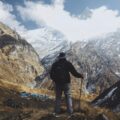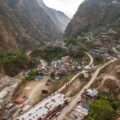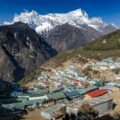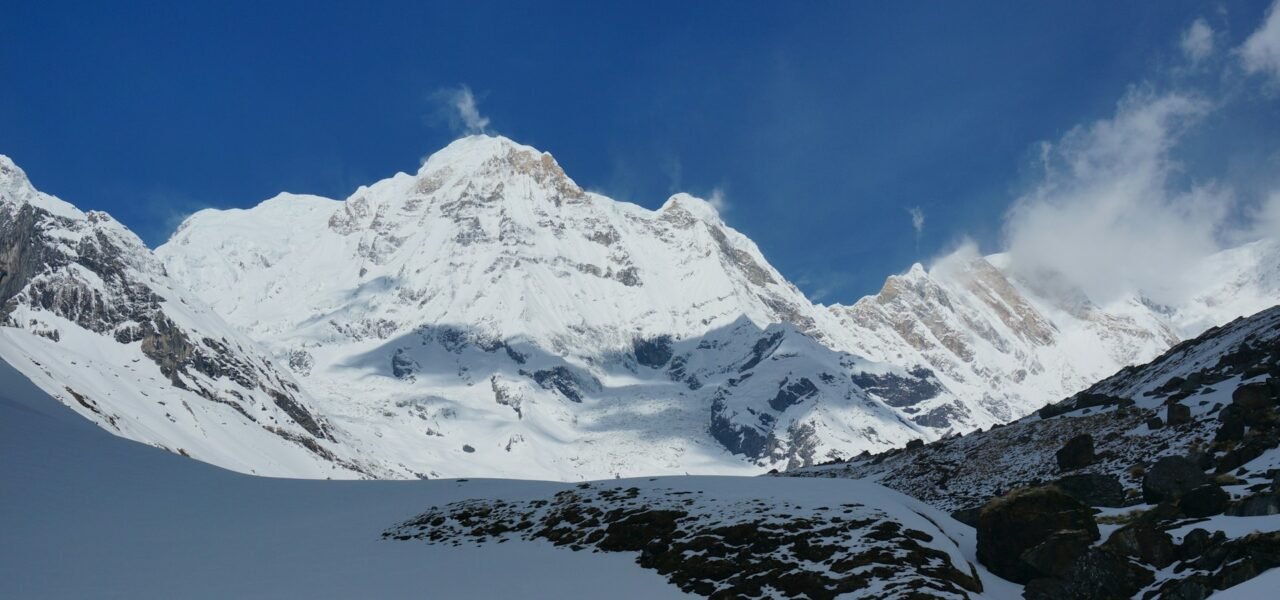
The Annapurna region is Nepal’s most diverse trekking destination, offering everything from short cultural walks to challenging high-altitude expeditions. Whether you’re a first-time trekker or a seasoned mountaineer, there’s an Annapurna trek with your name on it. This comprehensive guide covers the main trekking routes, available packages, costs, and practical tips to help you plan your Himalayan adventure.
Overview: Why Trek the Annapurna Region?
The Annapurna region is renowned for its incredible diversity. Within a relatively short distance, you can experience lush subtropical forests, terraced farmlands, traditional Gurung and Magar villages, alpine meadows, and dramatic high-altitude landscapes surrounded by snow-capped peaks.
| Feature | Details |
|---|---|
| Highest Peak | Annapurna I (8,091m / 26,545ft) – 10th highest mountain in the world |
| Conservation Area | Annapurna Conservation Area (7,629 sq km) – Nepal’s largest protected area |
| Best Seasons | Spring (March–May) and Autumn (September–November) |
| Difficulty Range | Easy to Challenging |
| Permit Required | TIMS card + Annapurna Conservation Area Permit (ACAP) |
Main Trekking Routes in the Annapurna Region

1. Annapurna Base Camp (ABC) Trek – The Sanctuary Trek
The Annapurna Base Camp trek, also known as the Annapurna Sanctuary trek, is the region’s most popular route. It takes you into a spectacular glacial amphitheater surrounded by peaks like Annapurna I, Machhapuchhre (Fishtail), and Hiunchuli.
Key Highlights:
Walk through rhododendron and bamboo forests
Visit traditional Gurung villages like Ghandruk
Experience sunrise at Annapurna Base Camp (4,130m) with 360° mountain views
Relax in natural hot springs at Jhinu Danda
Views of Annapurna I, Machhapuchhre, Hiunchuli, and Annapurna South
Difficulty: Moderate – suitable for beginners with good fitness preparation
Duration: 8 to 15 days depending on the itinerary
| Itinerary | Duration | Max Altitude | Starting Point | Best For |
|---|---|---|---|---|
| Short ABC Trek | 8-10 days | 4,130m | Nayapul via Pokhara | Time-limited trekkers |
| Standard ABC Trek | 11-12 days | 4,130m | Nayapul via Pokhara | Proper acclimatization |
| ABC with Poon Hill | 12-15 days | 4,130m | Nayapul via Pokhara | Sunrise views + ABC |

Photo by mo jiaming on Unsplash
2. Annapurna Circuit Trek – The Classic Round Trip
The Annapurna Circuit Trek is one of the world’s most famous treks, circling the Annapurna massif through diverse landscapes from subtropical forests to high-altitude deserts.
Key Highlights:
Cross Thorong La Pass (5,416m) – one of the world’s highest navigable passes
Visit Muktinath Temple – sacred to both Hindus and Buddhists
Walk through the Kali Gandaki Gorge – the world’s deepest gorge
Experience diverse cultures: Gurung, Magar, Manangi, and Thakali communities
Difficulty: Challenging – requires good fitness and altitude preparation
Duration: 12 to 18 days
| Itinerary | Duration | Max Altitude | Special Feature |
|---|---|---|---|
| Classic Annapurna Circuit | 14-16 days | 5,416m (Thorong La) | Complete circuit with side trips |
| Circuit with Tilicho Lake | 15-18 days | 4,919m (Tilicho Lake) | Visit world’s highest lake |
| Nar-Phu Valley + Circuit | 18-22 days | 5,320m (Kang La) | Remote Tibetan villages + two passes |

3. Ghorepani Poon Hill Trek – The Short Trek with Big Views
The Poon Hill trek is perfect for those with limited time or seeking a gentle introduction to Himalayan trekking. The sunrise view from Poon Hill (3,210m) is legendary, offering a panorama of Dhaulagiri, Annapurna, and Machhapuchhre.
Key Highlights:
Sunrise over 8,000m peaks from Poon Hill
Walk through rhododendron forests (spectacular in spring)
Experience Gurung and Magar village culture
Comfortable teahouses and shorter walking days
Difficulty: Easy to Moderate – suitable for families and beginners
Duration: 4 to 8 days
| Itinerary | Duration | Max Altitude | Best For |
|---|---|---|---|
| Poon Hill Short Trek | 4-5 days | 3,210m | Weekend warriors, beginners |
| Poon Hill + Ghandruk | 6-7 days | 3,210m | Culture + scenery |
| Poon Hill + ABC | 12-14 days | 4,130m | Combining both classics |

4. Mardi Himal Trek – The Hidden Gem
Mardi Himal Trek is a quieter alternative to ABC, offering close-up views of Machhapuchhre (Fishtail) without the crowds.
Key Highlights:
Less crowded than ABC
Close-up views of Machhapuchhre
High camp at 3,580m with spectacular sunrise views
Walk through pristine rhododendron forests
Difficulty: Moderate
Duration: 5 to 7 days
Available Trekking Packages (2026)
Annapurna Base Camp Packages
| Package | Duration | Price (USD) | Includes | Operator |
|---|---|---|---|---|
| 10-Day ABC Trek | 10 days | $850–$1,190 | Permits, guide, porter, meals, teahouse accommodation, Pokhara-Kathmandu transport | Footprint Adventure |
| 15-Day ABC Trek | 15 days | $1,170+ | Kathmandu sightseeing, permits, guide, porter, meals, teahouses, hot springs | Himalaya Hub |
| 15-Day ABC with Poon Hill | 15 days | $1,406+ | Full trekking support, sunrise at Poon Hill, ABC, hot springs | Intrepid Travel via RACQ |
Annapurna Circuit Packages
| Package | Duration | Price (USD) | Includes | Operator |
|---|---|---|---|---|
| Annapurna Circuit Trek | 15 days | $585–$1,290 | Permits, guide, porter, meals, teahouses | Various on Bookmundi |
| Circuit with Tilicho Lake | 15 days | $1,200–$1,800 | High-altitude lake visit, Thorong La crossing | Various operators |
| Nar-Phu + Circuit | 15 days | From $3,440 | Remote valleys, two high passes, camping support | World Expeditions |
Short Treks & Comfort Packages
| Package | Duration | Price (USD) | Includes | Operator |
|---|---|---|---|---|
| Annapurna Trek in Comfort | 8 days | Contact for price | Eco-comfort camps, sleeping bag/down jacket, Kathmandu-Pokhara flights, all meals on trek | World Expeditions |
| Short ABC Trek | 9 days | $470–$600 | Guide, porter, permits, teahouses | Various on Bookmundi |
Cost Breakdown
What’s Typically Included in Packages
| Item | Details |
|---|---|
| Permits | TIMS card + ACAP permit |
| Guide | Licensed, English-speaking, first-aid trained |
| Porter | Usually 1 porter for 2 trekkers (max 20-25kg total) |
| Meals on Trek | Breakfast, lunch, dinner (often all meals on trek days) |
| Accommodation | Teahouses during trek; hotels in Kathmandu/Pokhara |
| Transport | Kathmandu-Pokhara-Kathmandu by tourist bus or flight |
| Trek Pack | Some operators include sleeping bag, down jacket, kit bag |
What’s Typically Not Included
International flights
Nepal visa ($30–50 depending on duration)
Travel insurance (mandatory, must cover helicopter evacuation up to 5,000m+)
Personal expenses (snacks, alcohol, hot showers, Wi-Fi, battery charging)
Tips for guide and porter (10–15% of trek cost is customary)
Best Time for Annapurna Trek
| Season | Months | Conditions | Recommended For |
|---|---|---|---|
| Autumn (Peak) | September–November | Clear skies, stable weather, moderate temperatures, excellent mountain views | All treks |
| Spring (Peak) | March–May | Rhododendrons in bloom, clear views, warming temperatures | All treks; especially beautiful for lower elevations |
| Winter | December–February | Cold nights, possible snow at higher elevations, clear days | Lower treks (Poon Hill); ABC and Circuit require winter gear |
| Summer/Monsoon | June–August | Rainy, cloudy, leeches on lower trails | Limited; rain shadow areas like Upper Mustang |
Read more about best time to travel Nepal.
Difficulty & Preparation Guide
Annapurna Base Camp Trek Difficulty
The ABC trek is considered moderate. You’ll walk 5–7 hours daily on well-maintained trails with stone steps, suspension bridges, and forest paths.
| Factor | Details |
|---|---|
| Highest Altitude | 4,130m at ABC |
| Daily Walking | 5–7 hours, 8–14 km per day |
| Technical Difficulty | None – no mountaineering skills required |
| Fitness Level | Regular walking/hiking preparation recommended |
Annapurna Circuit Difficulty
The Circuit is challenging due to high altitude and longer duration.
| Factor | Details |
|---|---|
| Highest Altitude | 5,416m at Thorong La Pass |
| Daily Walking | 5–8 hours, up to 15 km on pass day |
| Technical Difficulty | None, but high altitude requires proper acclimatization |
| Fitness Level | Good aerobic fitness essential |
Preparation Tips
Start training 2–3 months ahead with cardio (running, cycling, swimming) 3–5 times weekly
Add strength exercises: squats, lunges, step-ups for legs and core
Practice with a weighted backpack on uneven terrain
Consider Diamox for altitude sickness prevention (consult your doctor)
Essential Packing List
| Category | Items |
|---|---|
| Clothing | Base layers (merino wool/synthetic, no cotton), fleece jacket, down jacket, waterproof shell jacket and pants, trekking pants, thermal underwear, warm hat, sun hat, gloves |
| Footwear | Broken-in waterproof trekking boots, camp shoes/sandals, 4–5 pairs of wool socks |
| Gear | 20–30L daypack, sleeping bag (-10°C to -20°C rating), trekking poles, headlamp with extra batteries, water bottles (2L capacity), water purification tablets |
| Health & Safety | First-aid kit, sunscreen SPF 50+, lip balm, hand sanitizer, rehydration salts, personal medications |
| Documents | Passport, passport photos (2–4 for permits), travel insurance certificate, cash (NPR and USD) |
Safety & Altitude Tips
Acute Mountain Sickness (AMS) – Know the Signs
Common symptoms to watch for above 2,500m:
Headache (often the first sign)
Nausea or loss of appetite
Dizziness or light-headedness
Unusual fatigue
Shortness of breath even at rest
Safety Rules
Ascend gradually – gain altitude slowly above 2,500m
Hydrate – drink 3–4 liters of water daily
Avoid alcohol and smoking during the trek
Descend immediately if symptoms worsen – this is the only cure
Listen to your guide – they are trained in altitude sickness management
High-Risk Sections
Deurali to MBC (3,230–3,700m): Avalanche-prone in spring
MBC to ABC (3,700–4,130m): Snow, strong winds, altitude risks
Thorong La Pass (5,416m): Highest point on Circuit – careful acclimatization essential
Read more about Altitude sickness here.
Cultural Highlights
The Annapurna region is home to several ethnic groups with rich traditions:
Gurung – Predominant in villages like Ghandruk; known for their hospitality, unique language, and the Gurkha soldier tradition
Magar – Found in lower elevations; skilled farmers and warriors with distinct shamanistic traditions
Thakali – Along the Kali Gandaki; renowned for their culinary skills and successful hospitality businesses
Manangi – In the Manang district; Tibetan-Buddhist culture with ancient trading traditions
Frequently Asked Questions
Do I need a guide for Annapurna trek?
Since April 2023, solo trekking is banned in most Nepalese national parks, including the Annapurna Conservation Area. All foreign trekkers must hire a licensed guide or join a group.
What permits are required?
You need two permits: TIMS card (Trekkers’ Information Management System) and ACAP permit (Annapurna Conservation Area Permit). These are typically arranged by your trekking agency.
How much does the Annapurna Base Camp trek cost?
Package prices range from $470 for budget 9-day treks to $1,400+ for premium 15-day treks with full inclusions. Budget around $25–35 per day for guide/porter if arranging independently.
Can beginners do Annapurna Base Camp trek?
Yes! ABC is considered moderate and suitable for beginners with proper physical preparation. The trails are well-maintained, and the altitude is manageable with proper acclimatization.
Is Annapurna Circuit harder than Everest Base Camp?
Both are challenging but in different ways. Annapurna Circuit has a higher pass (5,416m vs EBC’s 5,364m) but generally lower average altitude. The Circuit is longer (more days) and has more varied terrain.
What’s the best trek for limited time?
The Ghorepani Poon Hill trek (4–5 days) is perfect for those with limited time. It offers spectacular sunrise mountain views without high-altitude risks.
The Annapurna region offers something for every trekker. Whether you choose the classic Annapurna Circuit, the stunning Annapurna Base Camp sanctuary trek, or a short Poon Hill sunrise walk, you’ll be rewarded with unforgettable mountain scenery, rich cultural experiences, and the warm hospitality of the Nepali people.
Ready to plan your Annapurna adventure? Feel free to contact us for more information, ensure your travel insurance covers high-altitude trekking (up to 5,500m), and start your physical training a few months ahead. The mountains are waiting.
This guide was last updated in March 2026. Package prices and availability are subject to change. Always confirm with us before booking.