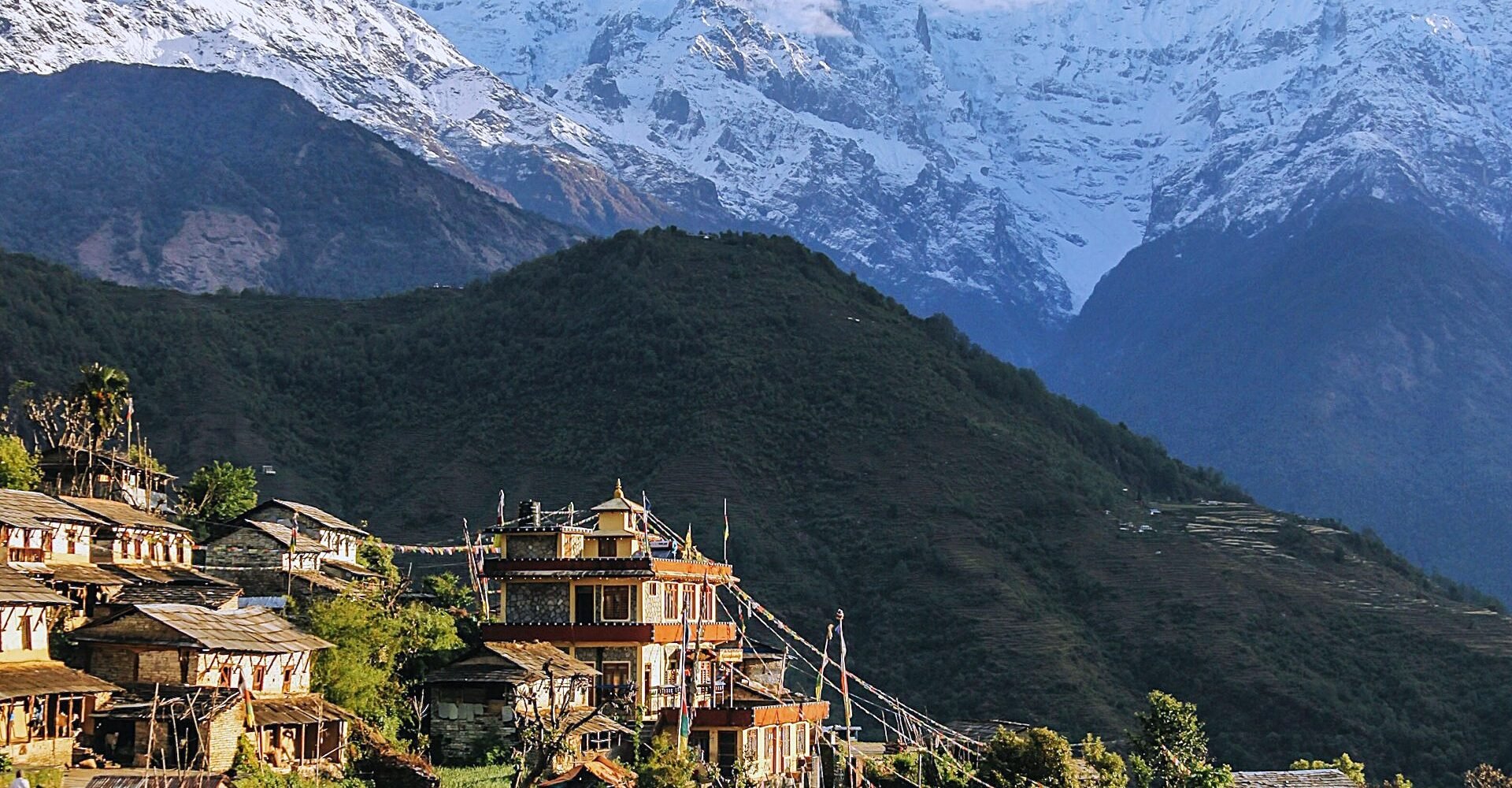
Nepal is a land of extremes. In a single day, you can go from the steamy, subtropical jungles of the Terai to the crisp, thin air of the highest mountains on Earth. With such dramatic geographical diversity, the question of the “best” time to visit doesn’t have a single answer. It depends entirely on what you want to see and do.
However, for the vast majority of travelers—especially those dreaming of trekking to places like the Everest South Base Camp—the optimal windows are undeniably during the spring and autumn seasons. This guide will break down Nepal’s calendar, helping you choose the perfect time for your Himalayan adventure, whether it’s mountain gazing, wildlife spotting, or cultural exploration.
The Goldilocks Seasons: Spring & Autumn (The Peak Travel Periods)
These two seasons are considered Nepal’s “tourist seasons” for a reason. They offer the most stable weather, comfortable temperatures, and the clearest, most breathtaking mountain views.
| Season | Timing | Weather & Conditions | Key Highlights | Best For |
|---|---|---|---|---|
| Autumn | Late Sept – Nov | Dry, cool, and crisp with crystal-clear skies. The air is fresh after the monsoon, offering unparalleled visibility of the Himalayas . Daytime temps are pleasant (15-25°C), though nights can be chilly . | The peak trekking season. Trails like Everest Base Camp (EBC) and Annapurna Circuit are in prime condition . Major festivals: Dashain (Oct) and Tihar (Nov), the beautiful festival of lights . | Trekking, mountaineering, and sightseeing. |
| Spring | March – May | Warmer and longer days. Temperatures are moderate, but visibility can be slightly hazy compared to autumn . In recent years, late winter and spring have seen an increase in wildfires, which can affect air quality and mountain views . | The lower slopes burst into color with blooming rhododendrons (Nepal’s national flower) . Second-best time for trekking. Festivals include Holi (March), the festival of colors . | Trekking, mountaineering, and enjoying lush, flowering landscapes. |
Important Note for Trekkers: If your dream is to trek to Everest South Base Camp, both spring (March-May) and autumn (September-November) are excellent choices . However, be prepared for busy trails and book your flights, guides, and teahouses well in advance, especially for the EBC trek .

Autumn (Late September to November): The Clear Favorite
Autumn is widely regarded as the absolute best time to visit Nepal. Following the monsoon rains, the air is washed clean of dust and haze, offering crystal-clear, panoramic views of the Himalayas.
Weather: The days are warm and pleasant, with bright sunshine. Evenings are crisp and cool, perfect for a good night’s sleep after a day of trekking. The skies are a deep, cloudless blue, creating the ultimate backdrop for photography.
Why Go:
Unbeatable Trekking: This is the prime trekking season. Trails like the Everest Base Camp, Annapurna Circuit, and Langtang Valley are in peak condition. The visibility of peaks like Everest, Annapurna, and Dhaulagiri is at its absolute best .
Festival Season: Autumn is a time of celebration. You might witness Dashain (October), Nepal’s biggest and most important Hindu festival, or Tihar (October/November), the beautiful festival of lights, where homes are adorned with candles and marigolds .
Considerations: This is the busiest time of year. Trails and teahouses are crowded, flights in and out of Lukla can be delayed, and prices for accommodation and tours are at their highest. Booking well in advance is essential.
Spring (March to May): The Festival of Flowers
If you miss autumn, spring is a magnificent alternative. As the snow melts at higher elevations and the lower hills burst into life, Nepal transforms into a colorful wonderland.
Weather: The weather is warming up, with longer, sunnier days. It’s generally a little warmer than autumn, though afternoon haze can sometimes build, softening the mountain views slightly compared to the post-monsoon clarity of autumn. In recent years, late winter and spring have seen an increase in wildfires, which can temporarily affect air quality .
Why Go:
Rhododendron Bloom: This is spring’s unique magic. The hillsides, particularly on treks like the Annapurna Base Camp and Ghorepani Poon Hill, are ablaze with the vibrant red, pink, and white flowers of the rhododendron—Nepal’s national flower.
Excellent Trekking: It’s the second-best time for trekking, with stable weather and established trails.
Holi: You might get to experience Holi (March), the boisterous and joyous Hindu festival of colors, celebrated with great enthusiasm in the streets of Kathmandu and Pokhara .
Considerations: Like autumn, it’s a busy season. Expect crowds on popular trails, especially in April. The lower elevations can get quite warm, perfect for t-shirts, while the high passes will still be snow-covered and cold.
The Off-Seasons: Winter & Monsoon (For the Adventurous Spirit)
The Other Seasons: Winter & Monsoon (For the Adventurous)
Traveling during the off-seasons can be deeply rewarding if you have specific goals, like wildlife spotting or seeking solitude, but it requires more preparation .
| Season | Timing | Weather & Conditions | Key Highlights | Best For |
|---|---|---|---|---|
| Winter | December – February | Days are often clear and bright, especially at lower elevations . Nights are very cold, and it snows heavily at higher altitudes (above 2,500-3,000m), which can close high mountain passes . | Fewer tourists and cheaper prices. Excellent for lower-altitude treks (e.g., Poon Hill, Mardi Himal, Langtang Valley) . The air is crisp, offering fantastic mountain views on clear days . | Low-altitude trekking, cultural tours in cities, and budget travelers. |
| Monsoon | June – Early September | Hot, humid, and rainy across most of the country. Expect cloudy skies, muddy trails, delayed flights, and potential landslides . This is generally considered the worst time for a typical trek . | The landscapes become incredibly lush and green . This is the best time to visit the rain-shadow areas like Upper Mustang and Upper Dolpo, which remain dry . Rivers are full, making it prime time for rafting . | Tours to rain-shadow deserts, white-water rafting, and budget travelers willing to risk weather delays. |
Winter (December to February): Solitude and Clear, Cold Skies
Winter in Nepal is characterized by cold temperatures, especially at night and at higher altitudes. However, the days are often clear, bright, and surprisingly pleasant, especially below 2,000 meters.
Weather: Days are sunny and clear, offering fantastic mountain views. Nights are cold, dropping below freezing in many places. Heavy snowfall can occur at higher elevations (above 3,000m), potentially closing high mountain passes like the Thorong La on the Annapurna Circuit .
Why Go:
Fewer Crowds, Lower Prices: This is a great time for budget travelers. You’ll find the trails and teahouses nearly empty, and you can often negotiate better rates for flights and accommodation.
Lower Altitude Treks: It’s the perfect time for treks that don’t venture too high, such as the Ghorepani Poon Hill trek, the Mardi Himal trek, or the beautiful Langtang Valley trek .
Cultural Sightseeing: The clear, sunny days are ideal for exploring the cultural heritage sites in the Kathmandu Valley, Pokhara, and Bhaktapur without the heat and humidity .
Considerations: Pack a very warm sleeping bag and layers, as teahouses can be drafty. Some high-altitude teahouses may be closed for the season.

Photo by Arun Ghimire on Unsplash
Monsoon (June to Early September): The Green Season
The monsoon arrives with force, bringing heavy rainfall, high humidity, and cloudy skies to most of Nepal. This is traditionally the low season for tourism, and for good reason.
Weather: Expect daily downpours, often in the afternoon. Trails become slippery, muddy, and leech-infested. Landslides can block roads and cause flight delays. Mountain views are often obscured by thick clouds .
Why Go:
The Lush Landscape: This is when Nepal is at its most vibrantly green and alive. The rice paddies are emerald, and the waterfalls are thunderous.
Rain-Shadow Treks: This is the only time to visit the trans-Himalayan regions like Upper Mustang and Upper Dolpo. These areas lie in the rain shadow of the main Himalayan range and remain dry, with clear skies, even while the rest of the country gets drenched .
Rafting and Kayaking: The rivers are swollen with snowmelt and rain, making this the best time for adrenaline-pumping white-water rafting .
Considerations: Most major trekking regions (Everest, Annapurna, Langtang) are difficult and less rewarding. Expect leeches, mud, and clouds.
Beyond Trekking: Best Times for Specific Activities
For Wildlife Spotting (Chitwan & Bardia National Parks): The best time is late winter (January and February) . At the end of January, the tall elephant grass is cut down, making animals like rhinos and tigers much easier to spot from jeeps or on foot .
For Sightseeing in Kathmandu, Pokhara, and Bhaktapur: Autumn (Sept-Nov) and Spring (March-May) offer the most pleasant weather for exploring cities and temples. Tihar (Nov) is a particularly magical time to be in the cities, as they are decorated with lights . Winter (Dec-Feb) is also a good option for city tours, with clear, mild days and fewer crowds .
Traveling during the off-peak seasons can be deeply rewarding, offering solitude and a different kind of beauty, but it requires more flexibility and preparation.
A Month-by-Month Snapshot
December-February (Winter): Cold, clear days. Ideal for lower treks (Poon Hill, Mardi Himal) and cultural sightseeing. Wildlife spotting in Chitwan is excellent in Jan-Feb, as the tall grasses are cut down, making animals easier to see .
March-May (Spring): Warming temperatures, blooming rhododendrons. Excellent for all trekking. Holi festival in March.
June-August (Monsoon): Hot, humid, and rainy. Best for rain-shadow treks (Mustang, Dolpo) and river rafting. Not recommended for standard treks.
September-November (Autumn): Peak season! Clear skies, perfect temperatures. The best time for any trek, including Everest Base Camp. Dashain and Tihar festivals.
October & November: The absolute sweet spot. Unbeatable weather and mountain views.
March & April: The second sweet spot. Warm, colorful, and vibrant.
Choosing the Best Time for Your Nepal
To put it simply:
For the ultimate trekking experience, including Everest Base Camp: Choose October, November, March, or April. You will be rewarded with the most reliable weather, the safest trail conditions, and the most spectacular mountain views .
For a peaceful trek on a budget: Consider December, January, or February and stick to lower-altitude trails like Ghorepani Poon Hill or the Tamang Heritage Trail .
For wildlife safaris in Chitwan or Bardia: The best time is January and February, when the dry conditions and cut grass make wildlife viewing easiest .
For a unique cultural adventure in the desert-like landscapes: Plan a trip to Upper Mustang or Dolpo during the monsoon months of June to August .
For soaking up culture in the cities: The mild, pleasant weather of Autumn and Spring is perfect, but Winter also offers clear, comfortable days for exploring temples and palaces .
In Nepal, every season has its own unique charm. By aligning your travel goals with the rhythm of the seasons, you can ensure that your journey to the Himalayas is nothing short of magical.