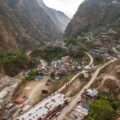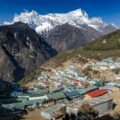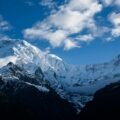
So you’ve decided to trek in Nepal—excellent choice. Now comes the question that every aspiring Himalayan trekker eventually faces: Everest Base Camp or Annapurna Base Camp?
Both are world-class treks. Both deliver jaw-dropping mountain scenery and unforgettable cultural experiences. But they are fundamentally different adventures, and choosing the wrong one for your fitness level, budget, and travel style can turn a dream trip into a struggle.
I’ve trekked both routes multiple times, and here’s the honest breakdown to help you decide.
At a Glance: The Quick Comparison
| Factor | Everest Base Camp (EBC) | Annapurna Base Camp (ABC) |
|---|---|---|
| Duration | 12-14 days | 7-12 days |
| Max Elevation | 5,545m (Kala Patthar) | 4,130m |
| Difficulty | Challenging | Moderate |
| Scenery | Dramatic, stark, monumental | Lush, varied, intimate |
| Cultural Experience | Sherpa culture, Buddhist monasteries | Gurung and Magar villages, diverse |
| Cost | Higher ($1,500-2,500+) | Moderate ($800-1,500) |
| Crowds | Very busy in peak season | Moderate to busy |
| Infrastructure | Well-established, expensive | Well-established, affordable |
| Best For | Bucket-list seekers, peak baggers | Nature lovers, time-limited travelers |
The Everest Base Camp Trek: The Icon
Let’s start with the one that’s on most people’s bucket lists.

Why Choose Everest Base Camp?
The Name Factor
Let’s be honest—there’s something undeniably powerful about saying you’ve trekked to Everest Base Camp. This is the launch point for expeditions to the world’s highest peak. You’ll stand where legends like Hillary, Tenzing, and countless modern climbers have stood before attempting the summit. That aura matters, and it’s part of what makes this trek so special.
The Scenery
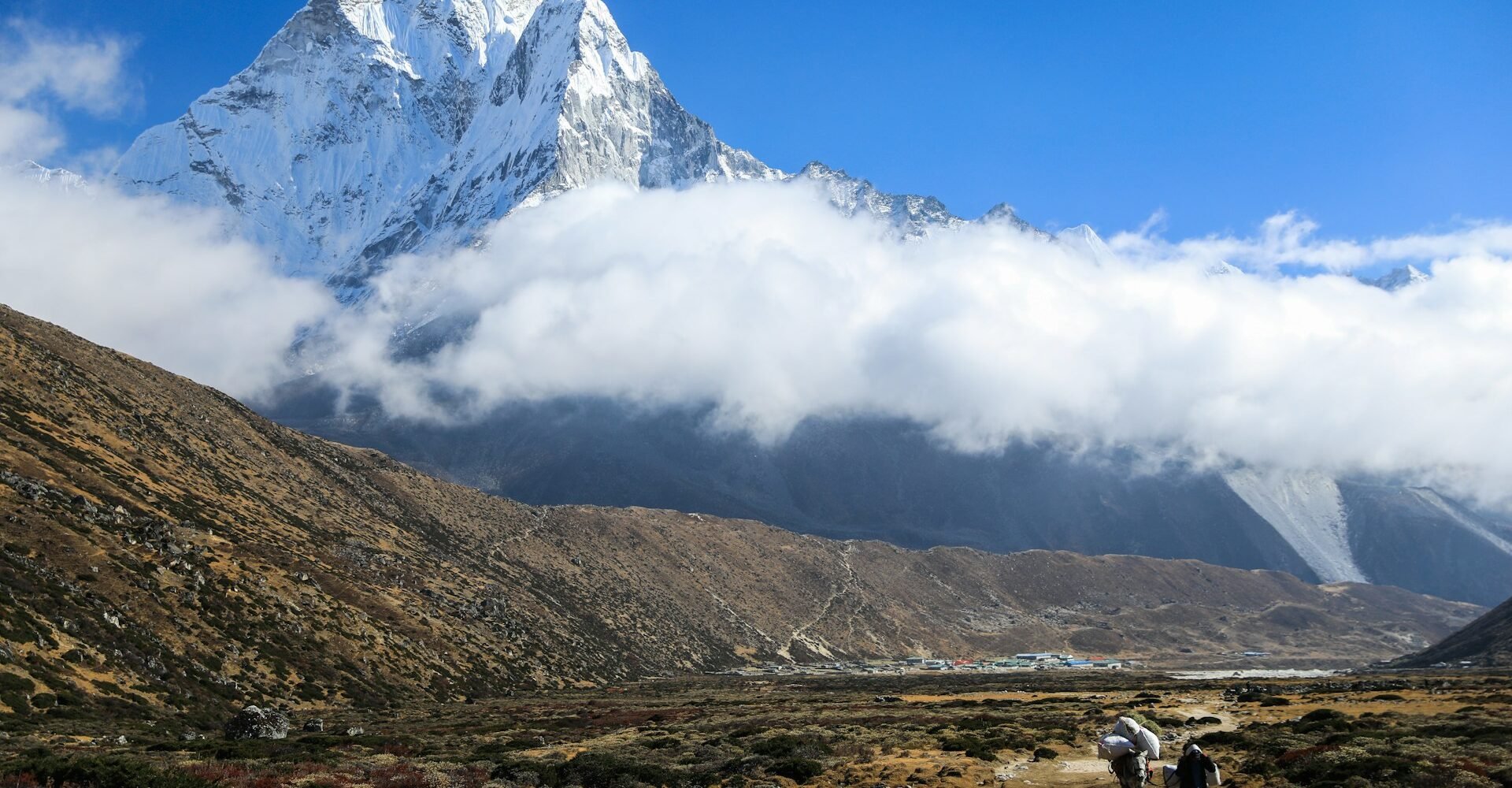
The Everest region delivers mountain views that are simply unmatched in scale and drama. From the moment you fly into Lukla, you’re surrounded by giants. The trail offers constant, unobstructed views of Everest, Lhotse, Nuptse, Ama Dablam, and dozens of other peaks that would be the highlight of any other trek on Earth.
The highlight for most trekkers isn’t actually Base Camp itself—it’s Kala Patthar (5,545m), a rocky hill that offers the most spectacular sunrise view of Everest’s summit. Watching the first light hit the world’s highest peak from that vantage point is a moment that stays with you for life.
Sherpa Culture
The Everest region is the homeland of the Sherpa people, world-famous for their mountaineering prowess and warm hospitality. Villages like Namche Bazaar, Tengboche, and Dingboche offer deep cultural experiences—prayer flags strung across valleys, ancient monasteries perched on ridges, and the chance to learn about a culture intrinsically tied to the highest mountains on Earth.
The Challenges of Everest Base Camp
Altitude is Serious
This is the biggest difference between the two treks. EBC pushes you above 5,000m, and altitude sickness is a genuine concern. The standard itinerary includes carefully planned acclimatization days, but some trekkers still struggle. Headaches, nausea, and fatigue are common. If you’re prone to altitude issues, this trek requires serious consideration.
Cost Adds Up Quickly
Everest is expensive by Nepal standards. The flight to Lukla alone costs $160-180 each way. Food prices increase dramatically with altitude—a cup of tea that costs $1 in Kathmandu might be $4-5 at Gorak Shep. Permits, gear, and guide services all run higher than in the Annapurna region. A fully guided EBC trek typically costs $1,500-2,500, while budget independent trekkers (if solo trekking were still widely permitted) would spend $30-50 per day on the trail.
Lukla Flights are… an Adventure
Tenzing-Hillary Airport in Lukla is frequently called the world’s most dangerous airport. The runway is just 527 meters long, slopes uphill, and ends at a sheer rock wall. Flights are often delayed or canceled due to weather—sometimes for days. If you’re on a tight schedule, this uncertainty can be stressful.
Crowds in Peak Season
During October-November and March-April, the EBC trail can feel like a highway. Teahouses fill up, and you may need to share rooms or even sleep in dining halls. The camaraderie can be fun, but solitude is virtually nonexistent.
Everest Base Camp: Ideal Trekker Profile
EBC is right for you if:
- You want the iconic, bucket-list Himalayan experience
- You have 14+ days available
- You’ve trekked at altitude before or are confident in your acclimatization strategy
- You’re comfortable with a higher budget
- You don’t mind sharing the trail with other trekkers
- You want to experience Sherpa culture
EBC may not be right if:
- You’re on a tight budget
- You only have 7-10 days
- You’re concerned about altitude sickness
- You prefer quieter, less crowded trails
- You want lush, green landscapes (EBC is mostly rocky and barren above treeline)
The Annapurna Base Camp Trek: The Sanctuary
Now let’s talk about the Annapurna region—Nepal’s most diverse trekking area.

Photo by Redmaz Pham on Unsplash
Why Choose Annapurna Base Camp?
Incredible Diversity
If Everest is about monumental scale, Annapurna is about variety. Over the course of a week, you’ll walk through:
- Terraced rice paddies and subtropical forests
- Bamboo groves and rhododendron forests (spectacular in spring)
- Alpine meadows and high mountain passes
- Finally, the Annapurna Sanctuary—a natural amphitheater ringed by towering peaks
No other trek in Nepal packs so much ecological diversity into such a short distance.
The Annapurna Sanctuary
The finale of the ABC trek is genuinely breathtaking. Base Camp sits at 4,130m, surrounded on all sides by the peaks of Annapurna I (8,091m), Annapurna South, Machhapuchhre (Fishtail), Hiunchuli, and others. You’re not just looking at the mountains—you’re inside their embrace. The Sanctuary feels intimate and sacred in a way that EBC’s more exposed terrain does not.
Lower Altitude, Lower Risk
Topping out at 4,130m, Annapurna Base Camp sits roughly 1,400 meters lower than Everest Base Camp. This makes a significant difference in how your body responds. While altitude sickness is still possible (it can occur above 2,500m), it’s generally less severe and less common on ABC than EBC. For many trekkers, this lower risk is a deciding factor.
Shorter and More Flexible
The classic ABC trek takes 7-12 days, making it feasible for travelers with limited vacation time. It’s also highly flexible—you can add side trips like Poon Hill for sunrise views, or combine it with the Annapurna Circuit for a longer adventure.
Better Value
The Annapurna region is significantly more affordable than Everest. You can drive from Pokhara to the trailhead rather than flying, food costs are lower, and permits are cheaper. A fully guided ABC trek typically costs $800-1,500, while independent trekkers can manage on $25-40 per day.
The Challenges of Annapurna Base Camp
Fewer “Big Name” Peaks
While the Annapurna massif is stunning, it doesn’t have the same global recognition as Everest. If your dream is specifically to see the world’s highest peak, ABC won’t satisfy that.
Variable Trail Conditions
The lower sections of the ABC trail involve many stone steps—thousands of them. Some trekkers find these harder on the knees than EBC’s more gradual terrain. The route also gets muddy and slippery during monsoon or after rain.
Less Dramatic High-Altitude Experience
For some trekkers, the appeal of Everest is pushing their physical limits at extreme altitude. ABC, while challenging, doesn’t offer the same sense of high-altitude achievement. If you want to test yourself above 5,000m, ABC won’t get you there.
Crowds on the Lower Sections
The first few days of the ABC trek, particularly the section from Nayapul to Ghorepani, can be very crowded. Many short-trek groups do the Poon Hill route, so you’ll share the trail with day hikers and casual trekkers. The crowds thin out significantly once you pass Chhomrong and enter the Sanctuary.
Annapurna Base Camp: Ideal Trekker Profile
ABC is right for you if:
- You have 7-12 days available
- You prefer lush, varied landscapes over stark alpine terrain
- You’re concerned about altitude or have limited high-altitude experience
- You’re traveling on a moderate budget
- You want flexibility to add side trips or shorten the trek
- You enjoy rhododendron forests and terraced hillsides
ABC may not be right if:
- You specifically want to see Everest
- You’re seeking the highest-altitude challenge possible
- You want a truly remote or solitary experience (though ABC is quieter than EBC)
- You dislike stone steps and variable trail conditions

Side-by-Side: Key Differences
Scenery
EBC: Stark, monumental, and dramatic. Above treeline, the landscape is rocky and barren—beautiful in its austerity, but not lush. The mountains are massive and ever-present. You’ll cross glaciers, walk alongside Khumbu’s icefall, and see peaks that tower over 8,000 meters.
ABC: Lush, varied, and intimate. You’ll pass through forests, bamboo groves, and terraced fields before entering the alpine zone. The Sanctuary is a natural amphitheater that feels more enclosed than EBC’s exposed valleys. The mountains are closer and more immediate.
Winner: Tie—it depends entirely on what you find beautiful.
Difficulty
EBC: More challenging overall. The higher altitude demands careful acclimatization. Days are longer (often 5-7 hours), and the terrain involves more elevation gain and loss. The final push to Kala Patthar at 5,545m is physically demanding.
ABC: Moderate difficulty. The altitude is manageable for most reasonably fit trekkers. Daily walking hours are similar, but the lower elevation makes each day feel less taxing. The stone steps on the lower section can be hard on knees.
Winner: ABC for most trekkers.
Cultural Experience
EBC: Focused Sherpa culture. Namche Bazaar is a fascinating Sherpa hub. Tengboche Monastery is one of Nepal’s most important Buddhist sites. You’ll learn about mountaineering history and Sherpa traditions intimately.
ABC: Diverse Gurung and Magar culture. Villages like Ghandruk and Chhomrong offer homestay opportunities. The culture feels more agricultural and less mountaineering-focused than in the Khumbu.
Winner: Different, not better—EBC for mountaineering culture, ABC for village life.
Logistics and Cost
EBC: Higher cost. Flights to Lukla add $300-400 round trip. Permits cost $45-50. Food is expensive at altitude. Fully guided treks start around $1,500.
ABC: Lower cost. Drive from Pokhara to the trailhead for $15-20. Permits cost $25-30. Food is more affordable throughout. Fully guided treks start around $800.
Winner: ABC for budget-conscious travelers.
Best Time to Go
Both treks are best in autumn (September-November) and spring (March-May). However:
EBC: Spring offers clearer views of Everest but colder temperatures. Autumn has stable weather but more crowds.
ABC: Spring brings rhododendron blooms that transform the lower trails. Autumn offers crisp, clear views of the Sanctuary.

Photo by Dylan Shaw
What About Other Options?
Before you decide, consider that EBC and ABC aren’t the only choices:
Everest View Trek: A shorter (7-10 day) version of EBC that reaches Namche Bazaar and Tengboche Monastery without going to Base Camp. Excellent if you want Everest scenery with less altitude and time commitment.
Annapurna Circuit: A longer (12-20 day) trek that circles the entire Annapurna massif. More variety than ABC, with higher elevation (Thorong La at 5,416m). Best for those with more time.
Ghorepani Poon Hill: A short (5-7 day) trek in the Annapurna region offering stunning sunrise views. Perfect for beginners or those with limited time.
Langtang Valley: A quieter, more affordable option with beautiful mountain views and Tamang culture. Often overlooked but exceptional.
Making Your Decision: A Framework
Still unsure? Answer these questions:
1. How much time do you have?
- 7-10 days: ABC or Everest View Trek
- 12-14 days: Either EBC or ABC with side trips
- 14+ days: Consider EBC or Annapurna Circuit
2. What’s your high-altitude experience?
- None or limited: ABC
- Some experience (trekked above 4,000m before): Either
- Comfortable above 5,000m: EBC
3. What’s your budget?
- Under $1,000: ABC
- $1,000-1,500: ABC comfortably, EBC modestly
- Over $1,500: Either
4. What are you hoping to see?
- Everest specifically: EBC
- Lush forests and varied landscapes: ABC
- Monasteries and Sherpa culture: EBC
- Village life and homestays: ABC
5. How do you feel about crowds?
- Prefer solitude: Neither in peak season—consider Langtang or a restricted area trek
- Enjoy meeting other trekkers: Either
- Tolerate crowds for iconic views: EBC
The Honest Truth
Here’s what no glossy brochure will tell you: both treks are incredible, and you’ll likely love whichever you choose.
The trekkers I’ve met who regretted their choice usually did so for one of three reasons:
- They underestimated the altitude on EBC and struggled
- They chose EBC when they only had 10 days and felt rushed
- They expected solitude on ABC in October and found crowds
If you’re reasonably fit, prepared, and manage your expectations, both treks deliver experiences that most people remember for a lifetime.
My Personal Take
I’ve trekked EBC three times and ABC twice. If someone put me on a plane tomorrow and told me to choose one, here’s how I’d decide:
If I wanted to push myself physically, experience the highest-altitude trekking Nepal offers, and stand in the shadow of the world’s tallest mountain—I’d choose Everest Base Camp.
If I wanted to immerse myself in lush forests, enjoy a slightly less demanding trek, and sit in the intimate amphitheater of the Annapurna Sanctuary—I’d choose Annapurna Base Camp.
There’s no wrong answer. Both trails will show you why Nepal is called the trekking capital of the world.
The mountains are waiting. Which one will you answer?
Note: Since 2023, licensed guides are mandatory on both EBC and ABC routes. Factor guide costs into your budget and book through a registered agency. Always verify current permit requirements before departure.