You’ve decided to trek in Nepal—congratulations! Now comes one of the most important decisions of your planning process: should you book a private trek or join a group joining trek?
Both options have passionate advocates, and neither is universally “better.” The right choice depends entirely on your budget, personality, trekking goals, and comfort preferences. This comprehensive guide breaks down everything you need to know to make an informed decision.
Quick Comparison: Private vs. Group Trek at a Glance
| Factor | Private Trek | Group Joining Trek |
|---|---|---|
| Cost | Higher ($40–70 per person/day) | Lower ($25–40 per person/day) |
| Flexibility | Complete control over itinerary | Fixed schedule |
| Pace | Set by you and your group | Set by the slowest member |
| Social Experience | Limited to your companions | Meet fellow travelers from around the world |
| Privacy | High – no strangers | Low – sharing with 4–12 others |
| Customization | Fully customizable | Pre-set route and duration |
| Departure Dates | Any date you choose | Fixed dates (often requires minimum booking) |
| Best For | Couples, families, solo travelers wanting privacy, those with specific needs | Budget travelers, solo travelers wanting company, first-timers |

Understanding the Two Options
What is a Private Trek?
A private trek means you book an entire trekking package exclusively for yourself and your chosen companions. You get your own guide and porters, and the itinerary, pace, and experience are tailored entirely to your preferences.
Who is in your group?
- You alone (solo private trek)
- You and your partner
- Your family or friend group
- No strangers or other trekkers
What is a Group Joining Trek?
A group joining trek means you sign up for a fixed-departure trek alongside other independent travelers. You’ll share the guide, porters, teahouses, and overall experience with a group of strangers who become trekking companions.
Typical group size: 4–12 people
Who joins: Solo travelers, couples, and small groups from around the world

Detailed Breakdown: 10 Key Factors to Consider
1. Cost – The Biggest Difference
This is often the deciding factor for many trekkers.
| Cost Element | Private Trek | Group Joining Trek |
|---|---|---|
| Guide (per day) | $25–35 (you pay alone) | $25–35 (split among group) |
| Porter (per day) | $15–25 (you pay alone) | $15–25 (split among group) |
| Permits | Same cost | Same cost |
| Accommodation | Same teahouse rates | Same teahouse rates |
| Total Daily Cost | $50–80 per person | $25–40 per person |
Example: For a 10-day Everest Base Camp trek:
- Private trek: $500–800 for guide/porter services
- Group trek: $250–400 for guide/porter services
Verdict: Group joining treks are significantly cheaper, often 30–50% less expensive than private options.
2. Flexibility & Customization
| Aspect | Private Trek | Group Trek |
|---|---|---|
| Start date | Any day you choose | Fixed departure dates |
| Itinerary changes | Change anytime | Rigid, pre-set schedule |
| Rest days | Add whenever needed | Usually fixed |
| Side trips | Easy to add | Rarely possible |
| Trek duration | Any length | Pre-determined |
Private Trek Example: You can decide to spend an extra day in Namche Bazaar because you’re enjoying the vibe, or add a side trip to a monastery you heard about from another trekker.
Group Trek Reality: The itinerary is fixed. If you want an extra rest day, the group may leave without you (or you’ll need to convince everyone else to agree).
Verdict: Private treks win hands-down for flexibility and customization.
3. Pacing – Your Speed Matters
Private Trek:
- Walk at your own pace – fast or slow
- Take as many photo breaks as you want
- Stop when you’re tired; keep going when you’re strong
- No pressure to keep up or wait for others
Group Trek:
- Pace is set by the slowest member (or the guide’s schedule)
- May feel rushed if you’re fast
- May feel frustratingly slow if you’re energetic
- Constant need to coordinate with others
Verdict: If you have specific pacing needs (very fit, recovering from injury, or just prefer your own rhythm), private is better.
4. Social Experience
Private Trek:
- Pros: Intimate experience with your travel companions; quality time with your guide
- Cons: Can feel lonely if trekking solo; no built-in social circle
Group Trek:
- Pros: Instant friends; shared experiences; evening card games and conversation; safety in numbers
- Cons: Personality clashes; different energy levels; social pressure to participate
Verdict: Solo travelers often prefer group treks for companionship. Couples and families often prefer private treks for privacy.
5. Privacy & Personal Space
| Situation | Private Trek | Group Trek |
|---|---|---|
| Teahouse rooms | Your own room (when available) | Shared rooms with group members |
| Meal times | Private table | Group table |
| Morning routine | Your own schedule | Coordinated wake-up times |
| Evening relaxation | Quiet time alone | Group activities and conversation |
Verdict: Private treks offer significantly more privacy – crucial for couples, introverts, or anyone who values personal space.
6. Safety & Support

| Safety Aspect | Private Trek | Group Trek |
|---|---|---|
| Guide attention | 100% focused on you | Divided among 4–12 people |
| Emergency response | Immediate, personalized | Requires group coordination |
| Altitude monitoring | One-on-one attention | Guide checks everyone |
| Backup support | Same agency backup | Same agency backup |
Both options provide licensed guides and proper support. However, private guides can give you their undivided attention – noticing subtle signs of altitude sickness or fatigue that might be missed in a larger group.
Verdict: Slight edge to private treks for personalized safety monitoring.
7. Environmental Impact
Smaller groups generally have lower environmental impact:
- Less waste generated
- Easier to manage on narrow trails
- Less strain on teahouse resources
However, group treks are more efficient in terms of guide-to-trekker ratio (fewer guides needed overall).
Verdict: Private treks have a slight edge for eco-conscious trekkers.
Who Should Choose a Private Trek?

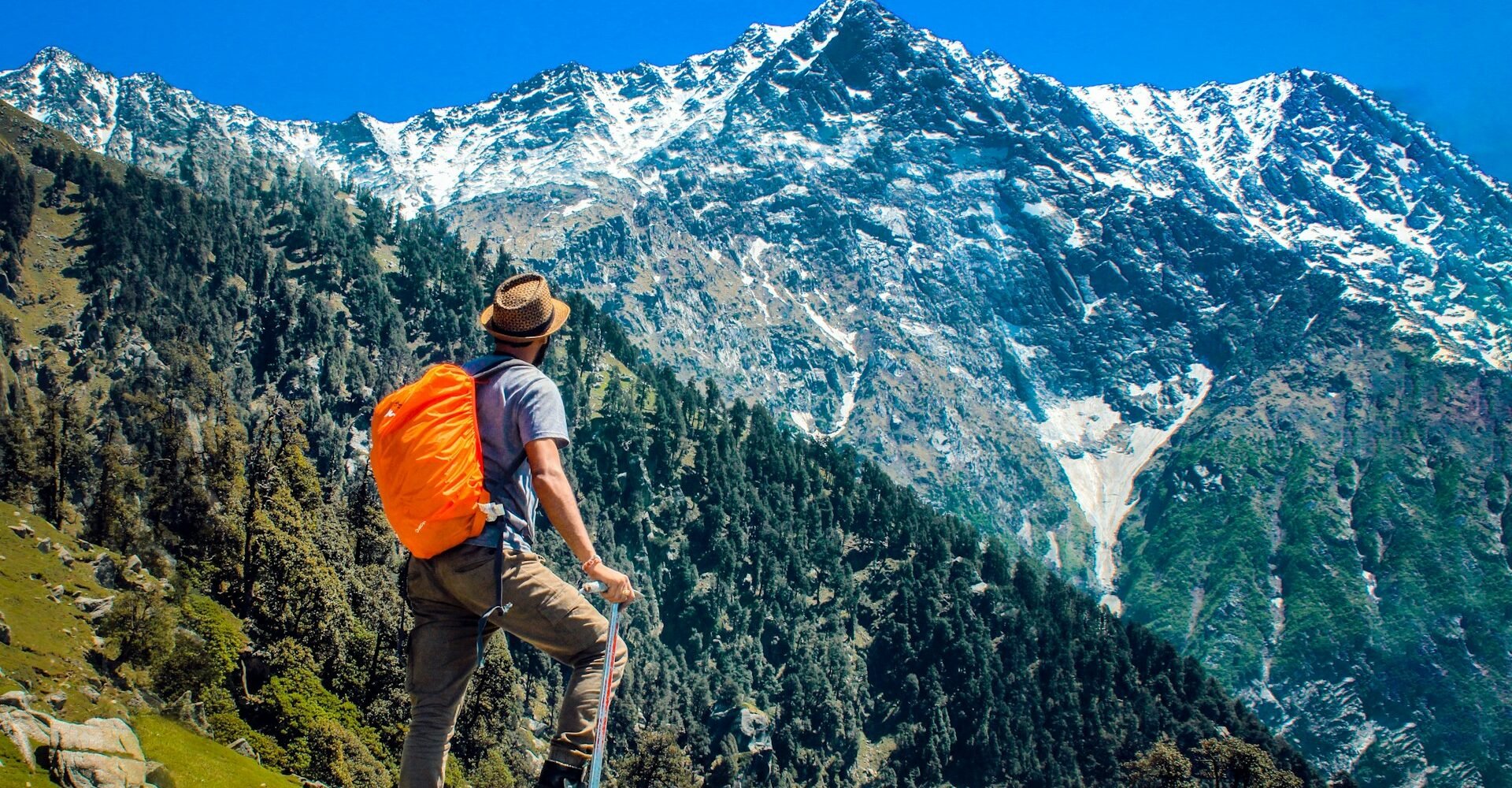
Photo by Phillips Jacobe on Unsplash
Private treks are ideal for:
| Type of Traveler | Why It Works |
|---|---|
| Couples on honeymoon or anniversary | Privacy and romantic flexibility |
| Families with children | Control over pace, meal times, and rest breaks |
| Solo travelers who value solitude | Complete control over your experience |
| Fitness enthusiasts | Maintain your own pace without waiting |
| Photographers | Stop for sunrise, sunset, or that perfect shot anytime |
| Those with special needs | Dietary restrictions, mobility concerns, or health issues |
| Anyone on a tight schedule | Maximize your limited time with efficient pacing |
| Experienced trekkers | You know what you want and don’t want group compromise |
Best Private Trek Scenarios
- You’re proposing on a mountain – A private trek lets you plan the perfect moment
- You have specific photography goals – Wait hours for the right light without guilt
- You’re recovering from an injury – Take extra rest days without holding anyone back
- You want to add a remote side trip – Most group treks won’t accommodate detours
Who Should Choose a Group Joining Trek?
Group treks are ideal for:
| Type of Traveler | Why It Works |
|---|---|
| Budget-conscious travelers | Split costs significantly |
| First-time trekkers | Comfort of group support and shared experience |
| Solo travelers wanting friends | Built-in social circle |
| Those who enjoy meeting people | International connections and shared stories |
| Less confident trekkers | Group morale and support |
| Anyone wanting less planning | Everything is arranged – just show up |
Best Group Trek Scenarios
- You’re trekking alone for the first time – Instant companions reduce anxiety
- You want to make international friends – Shared hardship creates bonds
- You don’t care about the itinerary details – Happy to follow a proven plan
- You’re on a tight budget – Group treks offer the best value
Real Talk: What Trekkers Say
Private Trek Testimonials
“My wife and I did a private EBC trek for our 10th anniversary. Having our own guide meant we could stop for photos whenever we wanted, take an extra rest day in Namche, and have quiet dinners together. Worth every extra dollar.” — Michael, USA
“As a solo trekker, I worried about being lonely on a private trek. But my guide became a friend, and I loved having complete control over my days. I could wake up at 5 AM for sunrise or sleep in until 7. Pure freedom.” — Sarah, Australia
Group Trek Testimonials
“I joined a group for Annapurna Base Camp as a solo traveler. By day three, we were a little family. We still have a WhatsApp group and two of us are planning a reunion trek next year.” — David, UK
“The group trek was affordable and well-organized. Yes, we had to wait for slower members sometimes, but the shared dinners and card games made up for it. I made friends from six different countries.” — Priya, India
Hidden Costs & Considerations
Private Trek Hidden Costs
| Potential Extra | Approximate Cost |
|---|---|
| Single supplement (if traveling solo) | $10–20 per night |
| Private room (where available) | $5–15 per night |
| Custom route permits | Varies by region |
Group Trek Hidden Costs
| Potential Extra | Approximate Cost |
|---|---|
| Single room upgrade (limited availability) | $10–20 per night |
| Departure date change fees | $50–100 |
| Early departure from group | Full trek cost (no refund) |
Popular Treks: Private vs. Group Options
| Trek | Private Suitable? | Group Suitable? | Notes |
|---|---|---|---|
| Everest Base Camp | ✓ Excellent | ✓ Excellent | Both work well |
| Annapurna Circuit | ✓ Excellent | ✓ Excellent | Both work well |
| Annapurna Base Camp | ✓ Excellent | ✓ Excellent | Short enough for either |
| Poon Hill | ✓ Good | ✓ Very popular | Groups common |
| Langtang Valley | ✓ Excellent | ✓ Good | Groups less frequent |
| Manaslu Circuit | ✓ Good | ✓ Good | Restricted area – both require guide |
| Three Passes | ✓ Best | ✓ Possible | Private recommended for pace |
Decision Matrix: Which Should You Choose?
Answer these questions honestly:
| Question | Yes → Private | No → Group |
|---|---|---|
| Is budget a primary concern? | → Group | |
| Do you value privacy highly? | → Private | |
| Do you want to make new friends? | → Group | |
| Do you have a specific pace (very fast or slow)? | → Private | |
| Is this your first trek? | → Group | |
| Do you have special dietary or medical needs? | → Private | |
| Do you enjoy solo travel? | → Private | |
| Do you dislike planning details? | → Group | |
| Are you traveling as a couple or family? | → Private | |
| Do you want maximum flexibility? | → Private |
Tally your answers – more “Private” answers suggest private is better for you; more “Group” answers suggest joining a group.
Compromise Options: The Best of Both Worlds
Option 1: Small Private Group
Book a private trek but invite friends to join. You get private-trek flexibility with group-trek social benefits and cost sharing.
Option 2: Premium Small-Group Treks
Some agencies offer “small group” treks (maximum 4–6 people) that balance social interaction with better pacing and flexibility.
Option 3: Hybrid Approach
Join a group for the main trek, then extend privately. For example: Group trek to Everest Base Camp, then private add-on to Gokyo Lakes.
Option 4: “Private Style” Group Trek
Some high-end operators offer group treks where you still get a private room, dedicated guide attention, and flexible pacing – at a higher price point.
Tips for Making Your Final Decision
If You Choose a Private Trek:
- Interview potential guides – You’ll spend 1–2 weeks together; personality matters
- Get a detailed written itinerary – Even flexible plans need a framework
- Discuss contingencies – What happens if you get sick or weather delays?
- Clarify costs upfront – Guide meals, accommodation, transport all add up
If You Choose a Group Trek:
- Read reviews of the specific guide – Group dynamic depends heavily on leadership
- Check group size limits – Smaller (4–6) is better than larger (10–12)
- Understand the cancellation policy – Some groups require minimum sign-ups
- Ask about the typical demographic – Age range and fitness levels vary greatly
Final Verdict
| Choose a Private Trek If… | Choose a Group Joining Trek If… |
|---|---|
| You have the budget for personalized service | You want to save money |
| You value flexibility and control | You’re trekking solo and want company |
| You have specific pace or health needs | It’s your first Himalayan trek |
| You’re celebrating a special occasion | You enjoy meeting international travelers |
| You want privacy and intimate moments | You don’t mind following a set schedule |
| You’re an experienced trekker | You prefer less planning responsibility |
Bottom Line
There is no universally “better” option – only what’s better for YOU.
- Budget travelers and first-time solo trekkers → Group joining is often the right choice
- Couples, families, and experienced trekkers → Private is usually worth the premium
- Everyone else → Consider a compromise like a small-group trek
Whichever you choose, Nepal’s trails will reward you with breathtaking scenery, warm hospitality, and memories that last a lifetime. The most important step is simply getting there.
Ready to book your Nepal trek? Research reputable agencies, read recent reviews, and ask detailed questions about what’s included. Your adventure awaits!
Have you done both private and group treks in Nepal? Share your experience in the comments below!