The moment you decide to visit Nepal, the adventure begins—and for most travelers, it starts at 30,000 feet. Flying into this Himalayan nation is an experience in itself, offering breathtaking aerial vistas and marking the thrilling commencement of your journey. However, navigating the logistics of international and domestic air travel in Nepal can be daunting.
This comprehensive guide will walk you through everything you need to know about flying to Nepal, from choosing your airline to what you’ll see from your window seat.
Your Gateway: Tribhuvan International Airport (KTM)
All international flights land at Tribhuvan International Airport (KTM) in Kathmandu. As the sole international airport in Nepal, it is the bustling, chaotic, and vibrant heart of the country’s air travel.
Arrival Experience: Be prepared for a unique arrival. The airport is functional but can feel crowded. The process typically involves: deplaning (often via air stairs), a bus ride to the terminal, visa-on-arrival formalities, baggage claim, and customs. Our pro-tip? Fill out your visa application form online in advance to skip a line at the airport. You can find the form on the Official Department of Immigration website here.
Facilities: You’ll find ATMs, currency exchange counters, SIM card kiosks (highly recommended for connectivity), and a few basic shops and cafes. Free WiFi is available but can be unreliable.
Departure Experience: Allow plenty of time for your international departure (at least 3 hours). The check-in and security process can be slow. There are more dining and shopping options airside after you clear security and immigration.
Choosing Your Airline: A Range of Options
You have several choices when flying to Nepal, catering to different budgets and travel styles.
Major Carriers & Alliances: Airlines like Qatar Airways (via Doha), Emirates (via Dubai), Etihad Airways (via Abu Dhabi), and Turkish Airlines (via Istanbul) offer extensive global networks and are known for their high service standards. They are often the most comfortable options for long-haul travelers.
Regional & Budget Airlines: Carriers like Air Arabia, Flydubai, and IndiGo often provide more budget-friendly options from various hubs in the Middle East and India.
National Carrier: Nepal Airlines operates direct flights from a select number of destinations. Flying with the national carrier is a great way to support the local economy.
The Himalayan Spectacle: What You’ll See from the Plane
If you’re flying in on a clear day, you are in for one of the greatest aerial shows on Earth. For the best views:
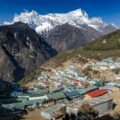
Kathmandu Approach: Sit on the right side of the aircraft when flying into Kathmandu. As the plane begins its descent, you’ll be treated to an unforgettable, up-close panorama of the Himalayan range, including peaks like Langtang Lirung, Ganesh Himal, and on an exceptionally clear day, even a distant view of Everest.
Departure Views: When leaving, try to get a window seat on the left side for similar breathtaking views.
Navigating Domestic Flights in Nepal
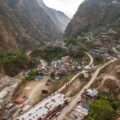
For reaching trekking hubs like Lukla (for Everest), Pokhara, or Jomsom, you will likely take a domestic flight.
Key Domestic Airlines: Yeti Airlines, Buddha Air, and Shree Airlines are the main domestic carriers, operating a fleet of turboprop aircraft like the ATR 72 and Dornier.
The Lukla Flight: The flight from Kathmandu to Tenzing-Hillary Airport in Lukla is legendary, often dubbed the “world’s most dangerous airport” due to its short, steep runway and mountain surroundings. It’s a thrilling 25-minute flight that is an essential part of the Everest experience. Note: During peak season, flights to Lukla often depart from Ramechhap Airport (Manthali) to avoid Kathmandu air traffic; your tour operator will arrange the transfer.
Weather Delays: Domestic flights in Nepal are highly susceptible to weather conditions, especially during the monsoon (June-August) and winter. Always build buffer days into your itinerary to account for potential flight cancellations or delays.

Photo by Deeson Patel on Unsplash
Essential Pre-Flight Checklist
Before you head to the airport, make sure you have:
Valid Passport: Must be valid for at least six months from your date of entry.
Nepal Visa: Can be obtained on arrival at KTM for most nationalities (bring cash USD and a passport photo) or online in advance.
Travel Insurance: This is non-negotiable. Your policy must cover emergency helicopter evacuation up to 6,000 meters for trekking.
Vaccination Certificates: Check if any are required for your home country or for transit.
Confirmed Itinerary: Have details of your first night’s accommodation and tour operator contact information handy.
Making Your Journey Seamless
Flying is the first step of your Nepali adventure, and a little preparation goes a long way. By understanding the process—from the vibrant chaos of Kathmandu’s airport to the awe-inspiring domestic flights—you can start your journey stress-free and focused on the incredible experiences that await.

Photo by Mike Swigunski on Unsplash
Have questions about the best flight routes, managing domestic transfers, or how to seamlessly connect your flights to your trekking itinerary? The travel experts at Independent Trekking Guide Nepal are here to help you plan every detail. For personalized assistance and a flawless start to your Himalayan adventure, feel free to contact us today