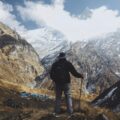
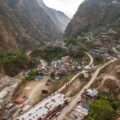
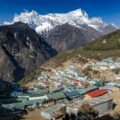
Tucked away in the rain shadow of the Annapurna and Dhaulagiri massifs lies a place that feels less like a part of Nepal and more like a portal to another time. This is Mustang, a remote and arid region often called the “Last Forbidden Kingdom,” where ancient Tibetan culture is preserved in a dramatic desert landscape of wind-sculpted cliffs and crumbling cave dwellings.
For the intrepid traveler, a journey to the Nepal Mustang region is not just a trek; it’s a pilgrimage into a living museum. This guide will unveil the magic, mystery, and practicalities of visiting this extraordinary corner of the Himalayas.
The Two Faces of Mustang: Upper and Lower
First, it’s essential to understand that Mustang is divided into two distinct parts:
Upper Mustang (The Forbidden Kingdom): This is the northern part, a restricted area that was closed to foreigners until 1992. It requires a special, more expensive permit and a guided trek. This is the heart of the ancient Kingdom of Lo, with its capital at Lo Manthang.
Lower Mustang: This area is more accessible and doesn’t require the special permit. It includes the popular trekking hub of Jomsom and the apple capital of Nepal, Marpha. The scenery here is still stunning, with deep gorges and views of Nilgiri and Dhaulagiri peaks.
For the purposes of this post, we’ll focus on the legendary Upper Mustang.

Photo by Samrat Khadka on Unsplash
A Landscape Like No Other
Forget the green, lush hills typical of Nepal. Upper Mustang is a high-altitude desert, a breathtaking expanse of dramatic erosion, sculpted canyons, and vast, arid plains. The landscape is painted in shades of ochre, red, and brown, earning it the nickname “the Tibet of Nepal.” You’ll feel the dry, crisp air and witness a raw, geological beauty that is both harsh and profoundly beautiful.
The Crown Jewel: Lo Manthang
The ultimate destination of any Upper Mustang trek is the walled city of Lo Manthang. Founded in the 15th century, this ancient capital feels frozen in time.
The King’s Palace: A towering, four-story whitewashed structure that dominates the skyline. While the royal family’s official political power ended with Nepal’s transition to a republic, they remain deeply respected cultural figures.
Ancient Monasteries (Gompas): Within the city walls, you’ll find centuries-old monasteries like Thubchen Gompa and Jampa Gompa, housing exquisite Tibetan Buddhist art, statues, and murals that have survived for hundreds of years.
The Walled City: Simply wandering the narrow, dusty lanes within the 6-meter-high walls is an experience in itself, offering a glimpse into a traditional way of life that has endured for generations.
Must-See Highlights of the Mustang Region
Beyond Lo Manthang, the entire region is dotted with wonders:
The Caves of Mustang: High on cliff faces throughout the region, you’ll see thousands of mysterious human-made caves. No one knows for certain who built them or why. Some were used as dwellings, others as burial chambers, and many as meditation cells for ancient Buddhist monks.
The Tiji Festival: If you can time your visit, the Tiji Festival in Lo Manthang (usually in May) is a cultural highlight. This three-day ritual of chanting and dancing, performed by monks in elaborate costumes, celebrates the triumph of good over evil.
The Village of Ghami: One of the largest villages in the region, Ghami is home to a spectacular, multi-colored chorten (stupa) and one of the longest and most beautiful mani walls (stone walls inscribed with prayers) in Nepal.
Practicalities: How to Visit the Mustang Region
Visiting Upper Mustang is a privilege that comes with specific requirements designed to protect its fragile culture and environment.
The Permit: A Restricted Area Permit (RAP) is mandatory for Upper Mustang. It costs $500 USD for the first 10 days and $50 per day thereafter. You must also have an Annapurna Conservation Area Permit (ACAP). Crucially, these permits can only be obtained through a registered trekking agency in Nepal. You cannot trek independently in Upper Mustang.
Getting There: The classic trek begins with a flight from Pokhara to Jomsom. From Jomsom, you trek northwards, crossing the official border into the restricted area at Kagbeni.
Best Time to Visit: The ideal seasons are Spring (March to early June) and Autumn (September to November). The Tiji Festival makes spring particularly special. The region lies in a rain shadow, making it a fantastic monsoon-season (June-August) trekking alternative, as it receives very little rain.
For the most current and official information on permits and regulations, it’s always wise to check the Nepal Tourism Board website here.
An Experience That Demands Preparation
A trek through Mustang is a challenging, high-altitude adventure. You need to be physically prepared for long days of walking in a dry, exposed environment. The infrastructure consists of basic tea houses, and the cost is higher than other treks due to the permits.
However, the reward is unparalleled: the feeling of exploring a lost world, of connecting with a preserved form of Tibetan Buddhism, and of witnessing landscapes that defy imagination.

Answer the Call of the Forbidden Kingdom
The Nepal Mustang region is more than a destination; it’s a journey into the soul of the Himalayas. It’s for the traveler who seeks not just scenery, but story; not just adventure, but authenticity.
If you’re ready to embark on this once-in-a-lifetime expedition to the Last Forbidden Kingdom, it’s essential to partner with an expert who can handle the complex logistics and provide deep cultural insight. To start planning your authentic and well-organized adventure to Mustang, please contact us today.