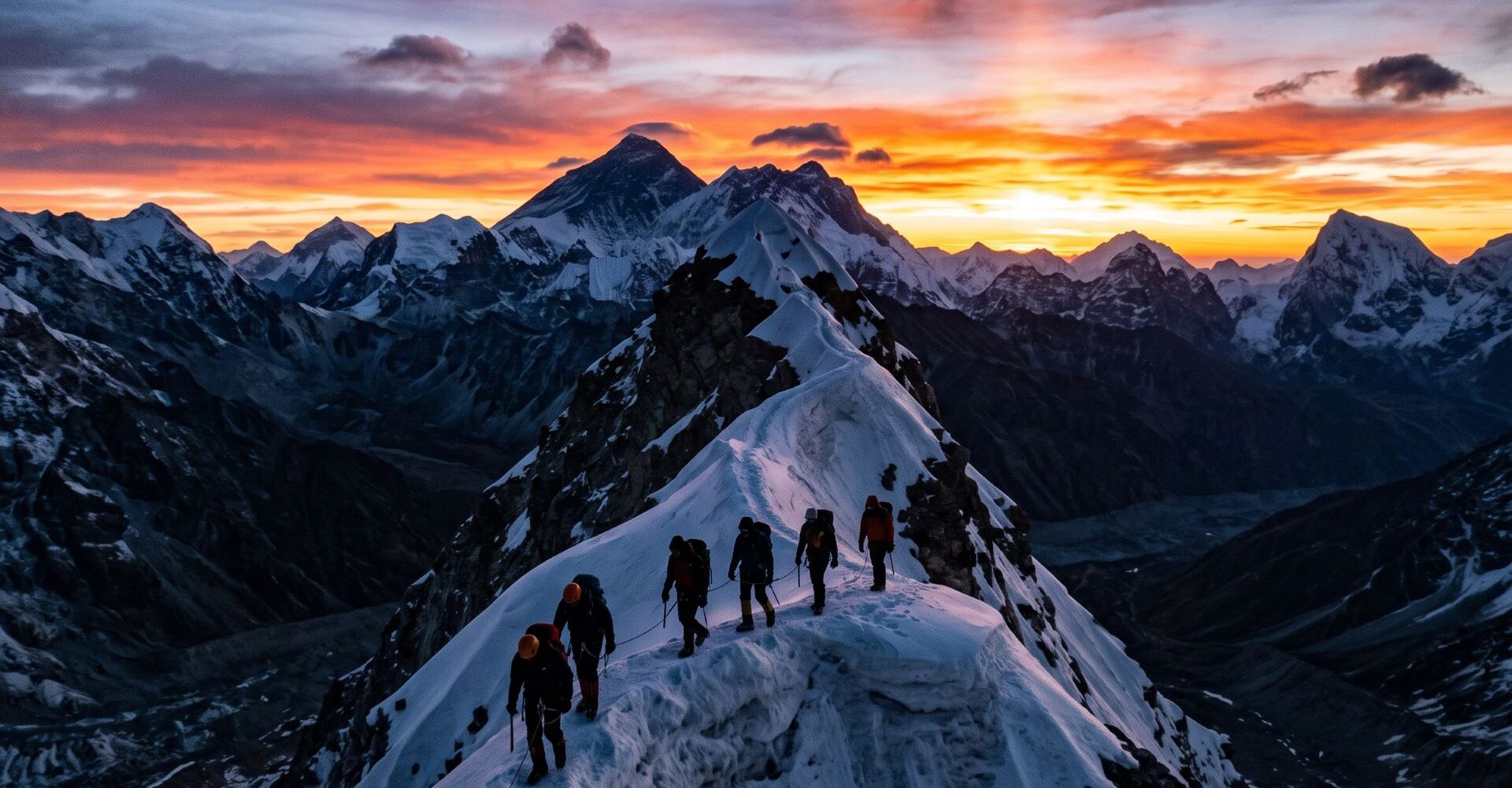
When the Western world thinks of the Himalayas, they think of danger, ice axes, and oxygen masks. When they think of the sherpa, they think of a man in a down jacket carrying four duffel bags up a frozen waterfall. But to reduce the Sherpa people to merely “climbing support” is like reducing Italians to pizza chefs.
Sherpa what is the real question? They are an ethnic group of roughly 150,000 people, primarily living in the high valleys of northeastern Nepal. They are farmers, monks, merchants, and entrepreneurs. They are also the unwitting hosts to over 50,000 foreign trekkers who flock to “Everest” every year. This is the story of the himalayan sherpa beyond the summit—their Buddhism, their family clans, and the existential crisis of climate change.
Part 1: The Eastern Migration (Origins of the Sherpa)
To understand a sherpa, you must look north to sherpa tibet. Linguistic and genetic evidence proves that the Sherpas migrated from eastern Tibet (the Kham region) roughly 500 years ago.
Why did they leave? Historians believe it was a mix of religious persecution and a search for fertile yak pastures. They crossed the high passes of the Nangpa La (5,716m) and settled in the Solu-Khumbu region. The word “Sherpa” literally breaks down to Shar (East) and Pa (People): “People from the East.”
Unlike the diverse caste systems of the lowland Nepalese, the sherpa people are remarkably homogenous. They are organized into approximately 20 distinct clans (ru), including:
- The Chawa clan
- The Minpa clan
- The Lama clan (religious specialists)
- The Salaka clan
These clans are exogamous (meaning you cannot marry within your own clan), which forces a healthy social mixing between different Sherpa villages.
Part 2: The Buddhist Heartbeat (Sherpa Culture)
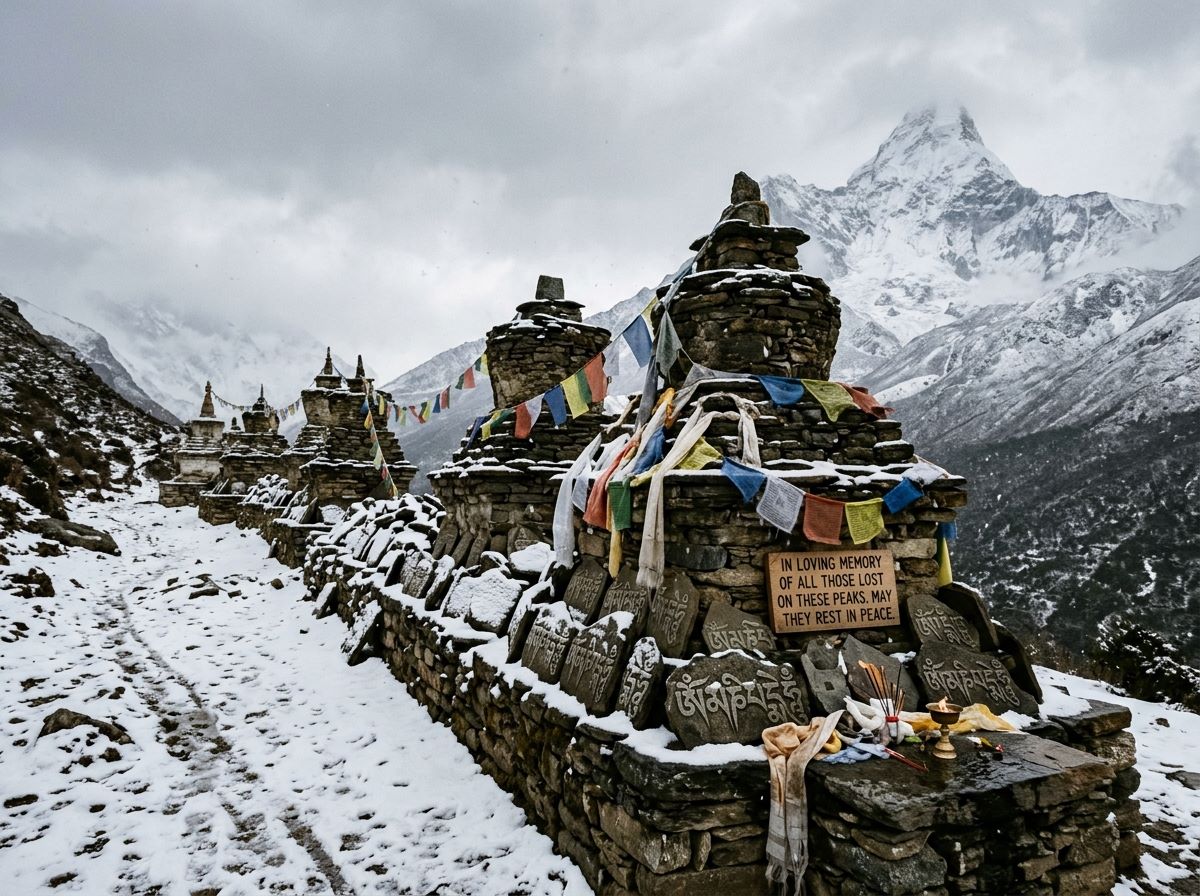
If you ever visit a sherpa garden in Namche Bazaar or a monastery courtyard in Pangboche, you will feel it immediately: the hum of prayer wheels and the flutter of wind-horse prayer flags.
Sherpa culture is inseparable from Tibetan Buddhism (the Nyingmapa sect, also known as the “Red Hat” sect). However, it is a unique blend of Buddhism and pre-existing Bon animism. They don’t just pray to Buddha; they appease the lu (water spirits) and the tsen (rock spirits).
Key elements of their daily faith include:
- Mani Stones: Rocks carved with the mantra Om Mani Padme Hum. You cannot walk 100 meters on any sherpa walking holidays trail without seeing these.
- The Puja Ceremony: Before any expedition, a climbing sherpa will perform a puja (blessing ceremony) at Base Camp, killing a goat or offering barley flour to the mountain goddess Miyolangsangma.
- The Monasteries: The famous Tengboche Monastery (destroyed by fire in 1989 and rebuilt) is the spiritual center. It sits directly in the shadow of Ama Dablam and Everest.
Sherpa Tibet connections remain strong. Many Sherpa families still send their second sons to Tibetan monasteries for religious education, despite the political border between Nepal and China.
Part 3: The “Super Sherpas” – Genetics and Physiology
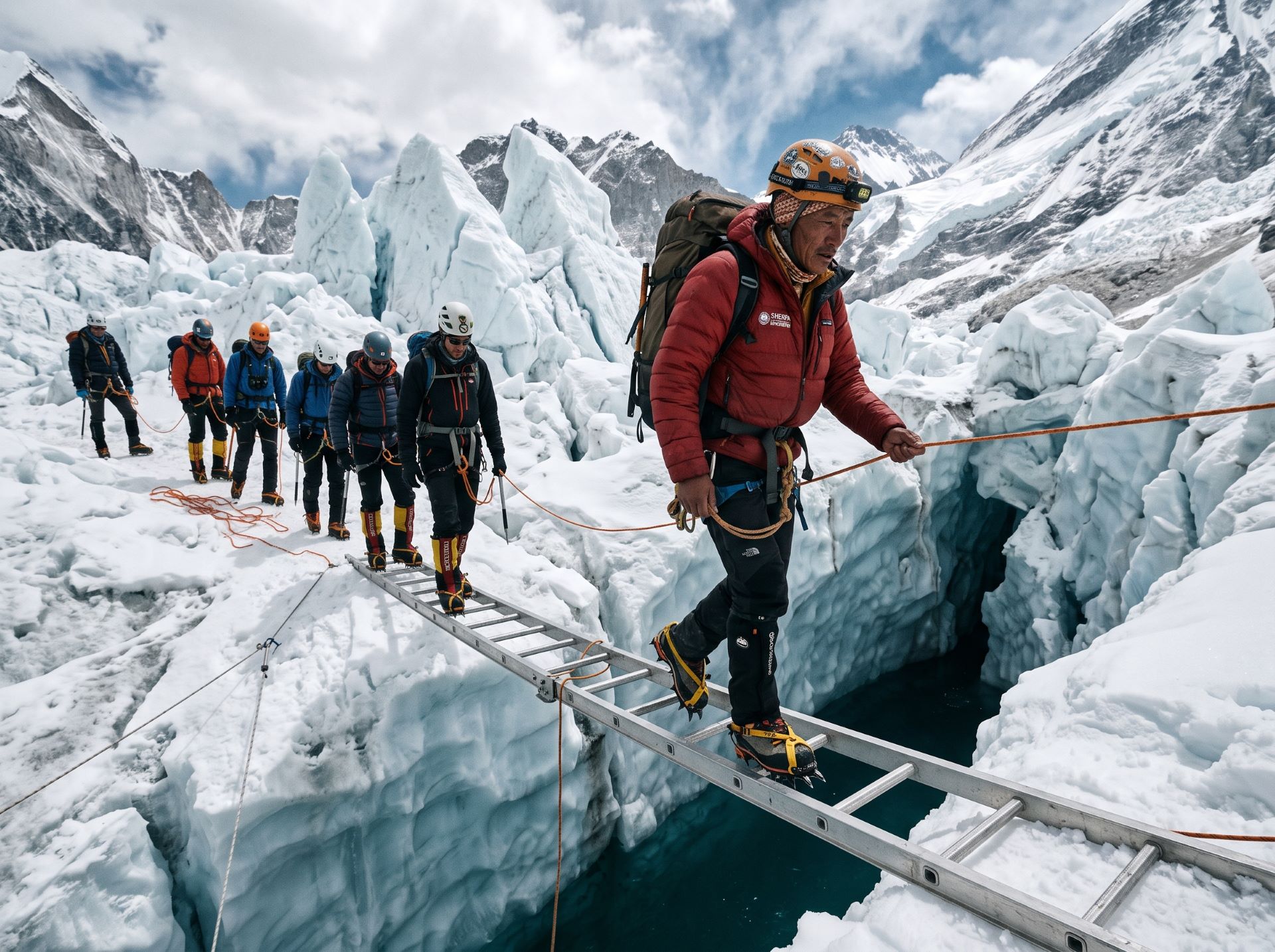
Western scientists have long been fascinated by the super sherpas. Why can a 50-year-old Sherpa man carry 50kg of gear to Camp II at 6,400m while a fit European soldier passes out?
The answer is in the blood. Sherpas possess a genetic adaptation that has been studied by the National Geographic Genographic Project. They have a specific variant of the EPAS1 gene (inherited from the extinct Denisovan hominins). This gene:
- Regulates hemoglobin production so they don’t thicken their blood dangerously (polycythemia).
- Allows their muscle cells to utilize oxygen more efficiently.
- Reduces metabolic stress at high altitude.
This is why the mount everest sherpa doesn’t just survive the “Death Zone”—he works there. A foreign climber might burn 20,000 calories a day just breathing; a Sherpa burns 15,000 while carrying gear.
Part 4: The Women Who Climb (And Those Who Stay Home)
While the first article highlighted Lhakpa Sherpa and pasang lhamu sherpa, the vast majority of Sherpa women do not climb. They are the invisible backbone.
In a traditional Sherpa village, women are responsible for:
- Milking naks (female yaks) to make butter tea (suja).
- Weaving lukta (woolen blankets).
- Managing the sherpa garden (potatoes, turnips, and radishes at 3,900m altitude).
- Raising children while the men are away on expeditions for three months.
However, change is coming. Pasang sherpa (no relation to Pasang Lhamu) now runs the Khumbu Climbing Center, teaching female Sherpas professional guiding skills. Ang Kami Sherpa (one of the few female high-altitude cooks) famously fed 50 climbers at Camp III during a storm.
“My mother used to say, ‘Don’t look at the mountain; look at the ground where you walk.'”
— Dawa Sherpa (female sirdar)
Part 5: The Famous Sherpas (A Living Encyclopedia)
Let us walk through the pantheon of famous sherpa names that every trekker should memorize:
The Pioneers
- Tenzing Norgay (1914–1986): The most famous sherpa tenzing in history. Co-first summiteer with edmund hillary and tenzing norgay.
- Ang Tharkay (1908–1981): A Sherpa who led the French Annapurna expedition in 1950.
- Ang Dorje (1929–2011): The first graduate of the Himalayan Mountaineering Institute.
The Record Breakers
- Kami Rita Sherpa (b. 1970): Currently holds the record for most Everest summits (31+). When you see everest tenzing records, you are seeing Kami Rita’s shadow.
- Lhakpa Gelu Sherpa (b. 1967): Held the speed record for a while (10 hours 56 minutes from Base Camp to summit).
- Purba Tashi Sherpa (often written phurba tashi sherpa): Summited Everest multiple times, known for his “death zone” rescues.
The “Invisible” Heroes
- Lobsang Jangbu Sherpa (1971–1996): The sirdar for Scott Fischer’s 1996 expedition. He survived the disaster but was killed in a rockfall the following year.
- Ang Rita Sherpa (1948–2020): “The Snow Leopard.” Summited Everest ten times without bottled oxygen. He lost all his toes to frostbite but never lost his smile.
- Jangbu Sherpa (b. 1970s): Often confused with Lobsang, but a distinct guide who worked for National Geographic.
The Modern Entrepreneurs
- Mingma Sherpa (often mingma david sherpa): Runs Seven Summit Treks, the largest expedition operator in Nepal.
- Norbu Sherpa: Founder of Sherpa Adventure Gear, a clothing brand that funds education for Sherpa children.
- David Sherpa (a common anglicized name): A young guide who became famous for rescuing a stranded climber at 8,000m without ropes.
The Family Dynasties
- Jamling Tenzing Norgay (son of Tenzing): An author and IMAX star.
- Tashi Tenzing (grandson): Works as a guide and environmental activist.
- Tashi Sherpa (no relation): A female mountaineer and motivational speaker.
Part 6: The Village Life (Sherpa Kirtipur and Beyond)
When climbers fly into Lukla, they often ask to visit sherpa kirtipur. However, Kirtipur is actually a neighborhood in Kathmandu, not a village in the mountains. The true Sherpa heartlands are:
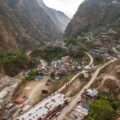
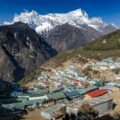
- Namche Bazaar (3,440m): The “Capital of the Sherpas.” A bustling market town with bakeries, gear shops, and a stupa that overlooks the valley.
- Khumjung (3,780m): Where sir edmund hillary and tenzing norgay built the first school (Hillary School) in 1961.
- Thame (3,820m): The home village of Tenzing Norgay.
- Pangboche (3,985m): Has the oldest monastery in Khumbu, said to contain a “Yeti scalp.”
In these villages, you will still see sherpa pemba (a common name) spinning wool and ang sherpa (a generic elder) drinking chang (homemade millet beer).
Part 7: Walking Holidays and Adventure
For those who want to experience this culture without risking their lives on the Lhotse Face, sherpa walking holidays are the answer. The classic Everest Base Camp (EBC) Trek is a two-week journey that passes through the heart of Sherpa land.
But there are quieter alternatives:
- The Three Passes Trek: A more challenging loop that visits Renjo La, Cho La, and Kongma La.
- The Gokyo Lakes Trek: Focuses on turquoise glacial lakes and panoramic views of Cho Oyu.
- The Mera Peak Climb: A “trekking peak” (6,476m) that allows a taste of technical climbing.
Every tea house along these routes is run by a mountain sherpa family. For a price (roughly 30−50 per day), you get a bed, dal bhat, and a story from a guide like Phurba sherpa or Dawa sherpa.
Part 8: The Dark Truth – Accidents and Inequality
The blog does not shy away from the hard truth. Between 1922 and 2025, over 300 Sherpas have died on Everest alone. The 2014 Icefall avalanche killed 16 Sherpas. The 2015 earthquake killed 21 at Base Camp.
The economic reality is brutal. A Western guide might earn 50,000 for a season.A climbing sherpa might earn 50,000 for a season. A climbing sherpa might earn 5,000 to $8,000 — for a job that is statistically more dangerous than combat military deployment.
This led to the 2014 “Sherpa Strike,” documented in the National Geographic film Sherpa (also called National Geographic Sherpa). The Sherpas refused to fix ropes to the summit until the Nepali government increased their insurance payout from 10,000to15,000. It was a small victory, but the inequality remains.
“Westerners call us ‘super sherpas.’ But when we die, we are just a statistic. When they die, they are a headline.”
— Anonymous Sirdar, 2014
Part 9: The Next Generation
What happens when a young ang dorje sherpa or ang dorjee finishes high school? They face a dilemma.
Option A: Become a guide like their father. Make good money (by Nepali standards) but risk death.
Option B: Go to Kathmandu or the USA for university. Study engineering or business.
Increasingly, the best and brightest are choosing Option B. Phurba tashi (a common name) might be the son of a famous sirdar, but he is now studying renewable energy at a university in Norway.
Meanwhile, environmental collapse is real. The sherpa garden potatoes are failing due to erratic weather. The glaciers are retreating, making treks dangerous (collapsing seracs, new lakes that could burst their moraines). The sherpa people are on the front lines of climate change, even though they contributed almost nothing to carbon emissions.

Conclusion: Who Is the Real Sherpa?
So, sherpa what is the final answer?
A sherpa is not a job. It is a history. It is a 500-year journey from Tibet to the highest valleys on Earth. It is a prayer wheel spinning in the wind. It is the hand that fixes a rope so that a paying client from London can take a selfie.
When you watch edmund hillary tenzing norgay footage, remember that Tenzing was not “just a guide.” He was a son of Khumbu. When you read about kami rita sherpa breaking another record, remember that he is just one man representing an entire ethnic group that has been saving foreign lives for a century.
If you ever meet mingma sherpa on a trail, or lopsang sherpa in a tea house, don’t just ask for the weather forecast. Ask about their clan. Ask about their mother’s sherpa garden. Ask about the yeti. You will get a story far richer than any summit log.
Glossary of Names in This Article:
| Name | Significance |
|---|---|
| Tenzing Norgay | Co-first summiteer of Everest (1953) |
| Ang Rita Sherpa | “The Snow Leopard” – 10 summits without O2 |
| Kami Rita Sherpa | Most Everest summits (31+) |
| Lhakpa Gelu Sherpa | Speed record holder (1998) |
| Purba / Phurba Tashi Sherpa | Rescue specialist & multiple summiteer |
| Jamling Tenzing Norgay | Son of Tenzing, IMAX star |
| Tashi Tenzing | Grandson of Tenzing |
| Mingma David Sherpa | Operator of Seven Summit Treks |
| Norbu Sherpa | Founder of Sherpa Adventure Gear |
| Ang Dorje / Ang Dorjee | Sirdar from the 1996 disaster |
| Dawa Sherpa | Common name for female guides |
| Jangbu Sherpa | Modern guide / National Geographic subject |
| Lopsang / Lobsang Jangbu | Sirdar who died in 1996 |
| Phurba Sherpa | Generic name for village elders |
Further Viewing / Reading:
- Sherpa (2015) – National Geographic documentary (look for “National Geographic Sherpa” on streaming)
- Touching My Father’s Soul by Jamling Tenzing Norgay
- The Snow Leopard by Peter Matthiessen (while about a different topic, it captures the Buddhist Sherpa spirit)