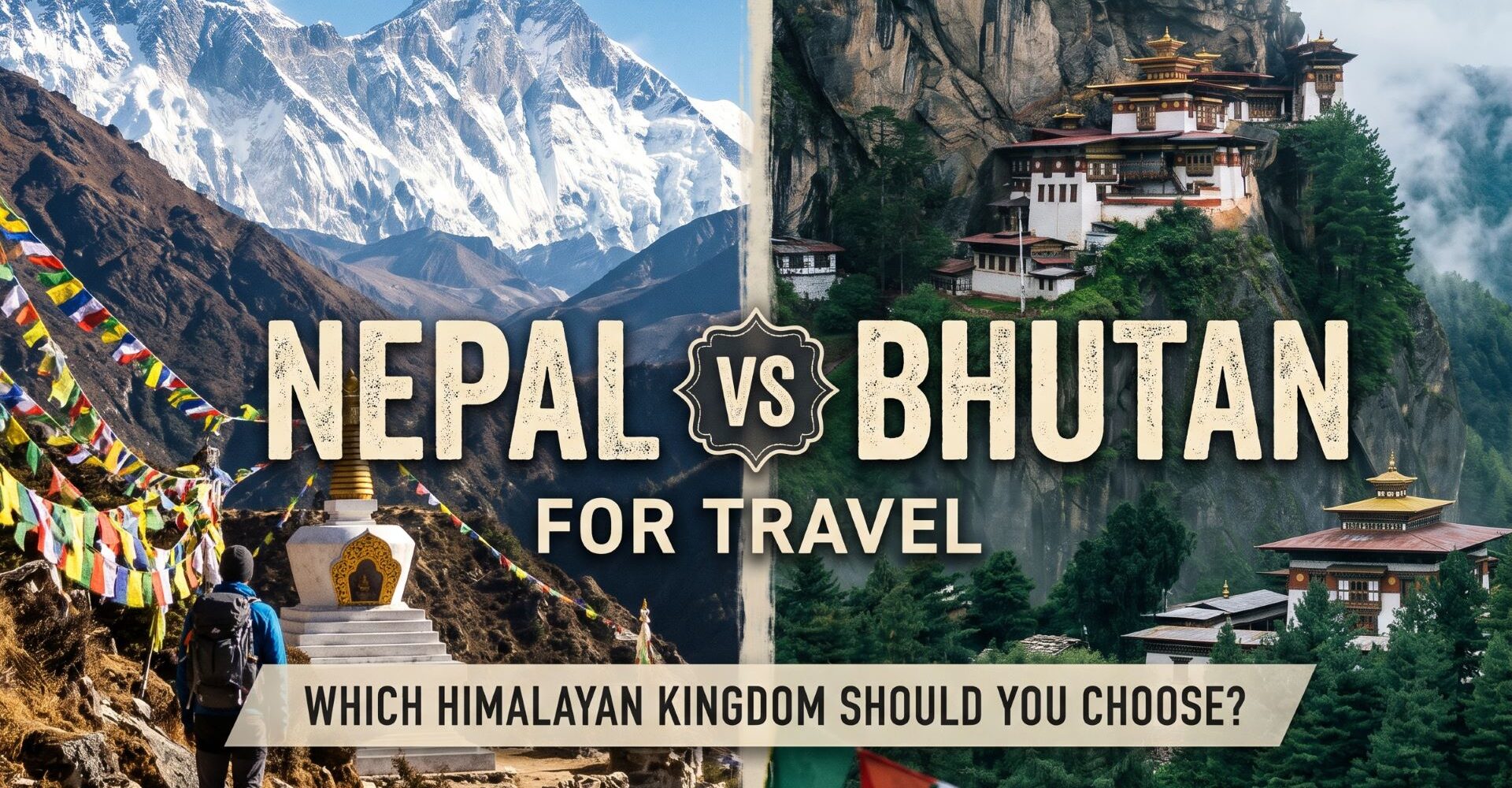
The Himalayas offer two of the world’s most captivating travel destinations: Nepal, the land of towering peaks and legendary trekking routes, and Bhutan, the secluded kingdom that measures progress in Gross National Happiness. Both promise majestic mountains, rich Buddhist heritage, and warm hospitality — yet the experience, cost, and planning requirements could hardly be more different.
This detailed comparison breaks down everything you need to know — from costs and visas to trekking, culture, food, and best seasons — so you can decide which country suits your travel style.
Quick Comparison at a Glance
| Feature | 🇳🇵 Nepal | 🇧🇹 Bhutan |
|---|---|---|
| Famous for | Everest, Annapurna, trekking, diverse culture | Gross National Happiness, dzongs, pristine nature |
| Visa | Visa on arrival for most nationalities | Visa required in advance; SDF must be paid |
| Daily cost (budget) | USD 30–60 | USD 100 SDF + expenses |
| Independent travel | Fully permitted | Restricted — licensed guide/operator required |
| Best-known activity | Multi-day Himalayan treks | Cultural tours, festivals, short day hikes |
| Highest point | Mt. Everest (8,849 m) | Gangkhar Puensum (7,570 m, unclimbed) |
| Best seasons | Spring (Mar–May) & Autumn (Sep–Nov) | Spring (Mar–May) & Autumn (Sep–Nov) |
| Currency | Nepalese Rupee (NPR) | Ngultrum (BTN), pegged to INR |
| Flight access | Kathmandu (Tribhuvan Int’l) | Paro (dramatic mountain landing) |
1. Costs: Budget Backpacking vs. Premium Seclusion
Nepal is one of Asia’s best-value destinations. Teahouse trekking is affordable, meals are cheap, and budget travelers can comfortably spend USD 30–60 per day. Costs rise for guided expeditions and domestic flights (for example, Kathmandu–Lukla).
Bhutan operates on a very different model. Visitors (except Indian nationals) pay a Sustainable Development Fee (SDF) of USD 100 per person per night, on top of accommodation, meals, transport, and guide costs . This fee funds free healthcare, education, and cultural preservation. Bhutan is a high-value, low-volume destination — ideal if you prefer uncrowded sites and premium planning .
Verdict: Choose Nepal for value and flexibility; choose Bhutan if budget is less of a constraint and exclusivity appeals.
2. Trekking & Adventure: The Big Differentiator
This is where the two countries diverge most.
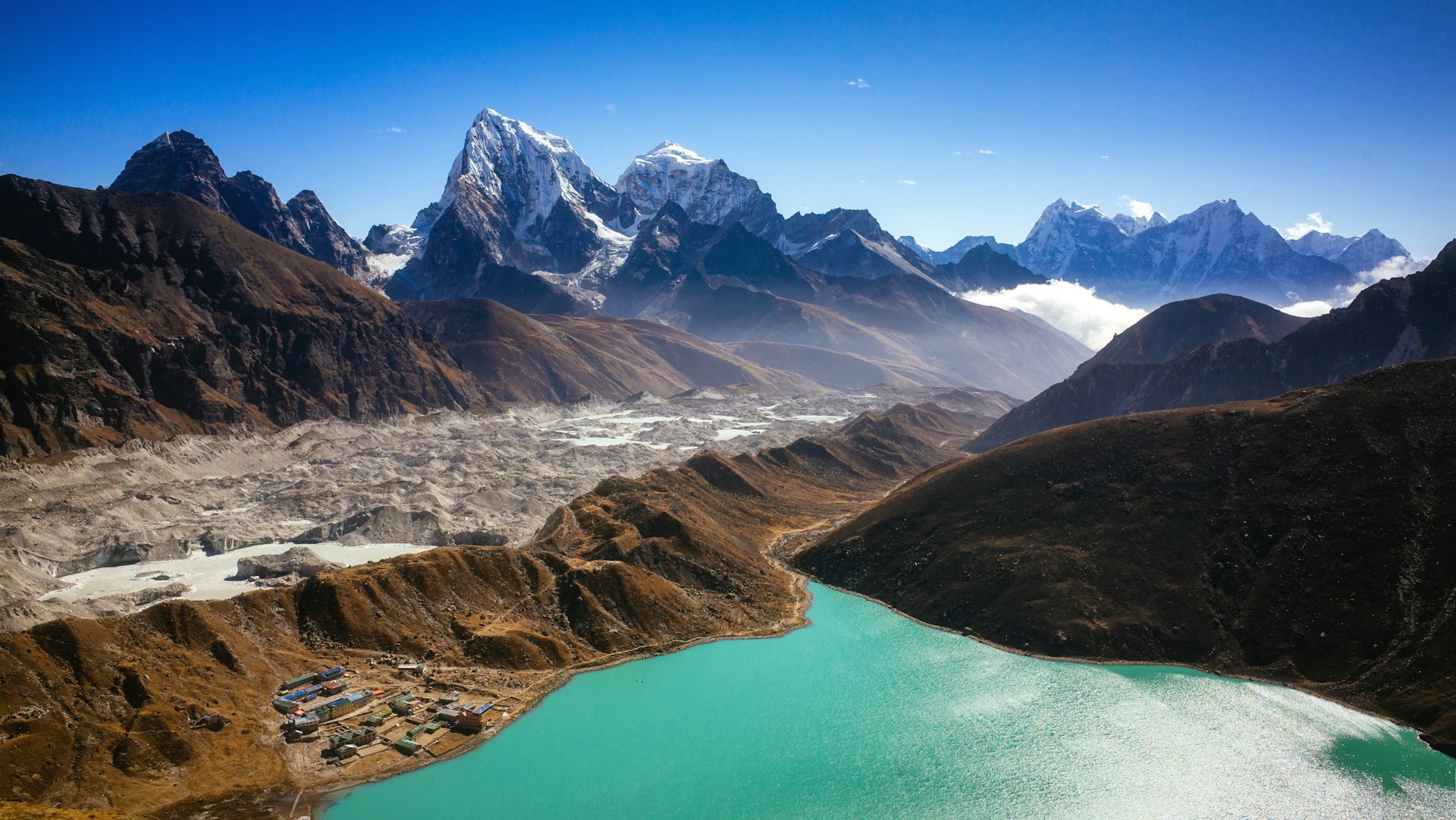
Photo by James Chou on Unsplash
Nepal — A Trekker’s Paradise
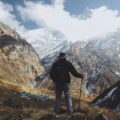
Nepal is the undisputed home of Himalayan trekking. World-famous routes include:
- The legendary Everest Base Camp Trek — a 12–16 day journey to 5,364 m beneath the world’s highest peak. For a broader overview of Everest region routes, see Wikitravel’s Everest trek guide.
- The classic Annapurna Circuit — a 21-day odyssey crossing the 5,416 m Thorong La pass. Wikitravel notes this as one of Nepal’s most popular teahouse treks.
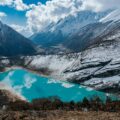
- The stunning side-trip to Tilicho Lake, the world’s highest glacial lake at 4,919 m.
Nepal also allows independent trekking on many routes. Note that Restricted Area Permits (for regions like Manaslu, Upper Mustang, and Dolpo) require a minimum of two trekkers plus a registered guide .
Bhutan — Culture and Short Hikes
Bhutan offers beautiful walks — the hike to Tiger’s Nest Monastery (Taktsang), the Druk Path Trek (4–6 days), and the Jomolhari Trek (8–11 days) — but trekking infrastructure is limited, and all treks must be organized through licensed operators at significant cost.
Verdict: For serious trekking, Nepal wins outright. Bhutan suits travelers who prefer culture-first itineraries with light walking.
3. Culture & Religion
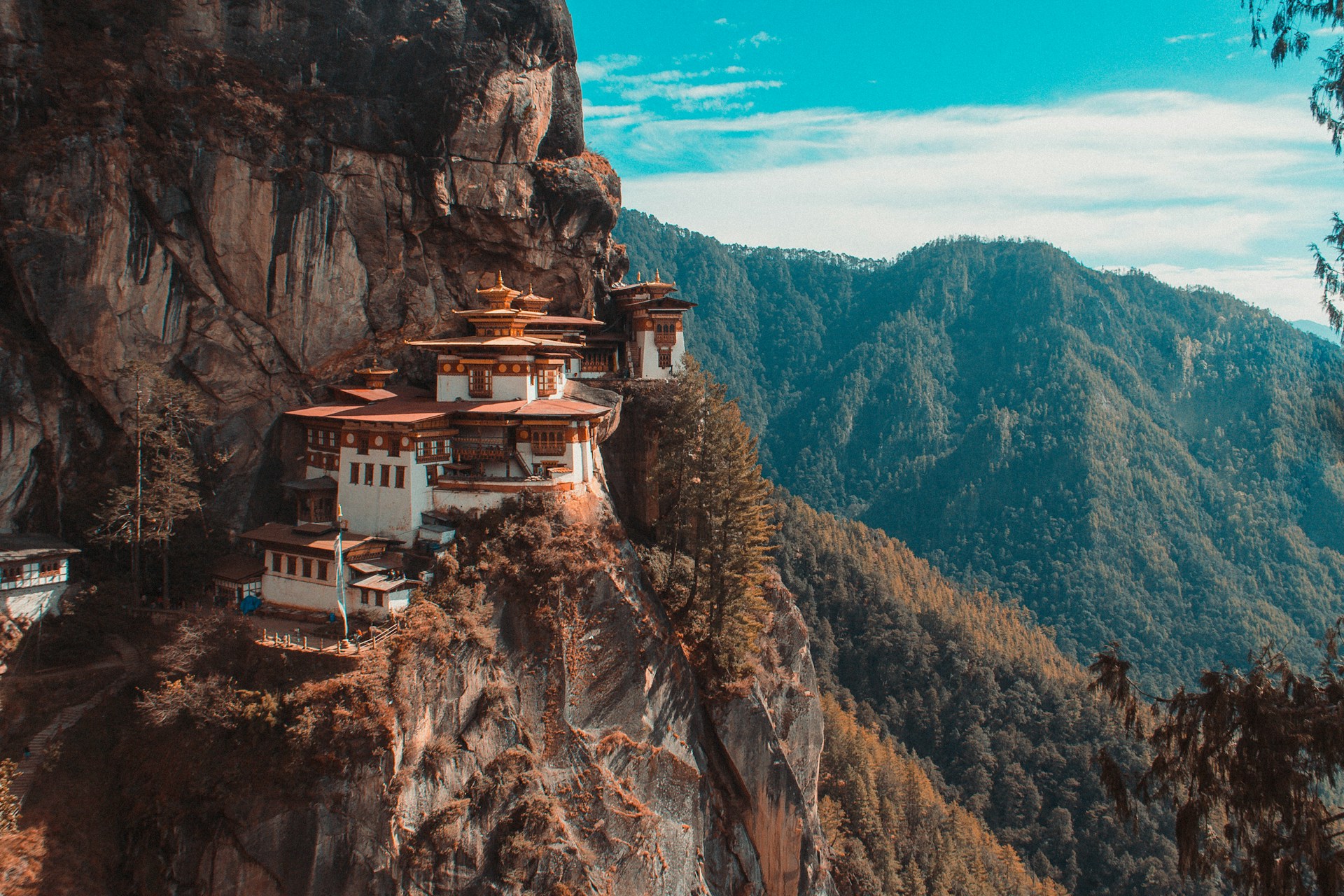
Photo by Aaron Santelices on Unsplash
| Aspect | Nepal | Bhutan |
|---|---|---|
| Religious mix | Hindu-majority with strong Buddhist heritage | Vajrayana Buddhist state |
| Iconic sites | Pashupatinath, Boudhanath, Swayambhunath, Lumbini | Tiger’s Nest, Punakha Dzong, Buddha Dordenma |
| Festivals | Dashain, Tihar, Holi, Losar | Tshechu festivals (masked dances) |
| Architecture | Pagodas, stupas, durbar squares | Distinctive dzongs and traditional design |
Nepal’s culture is extraordinarily diverse — home to dozens of ethnic groups and languages. (For a fun primer, see these amazing facts about Nepal.) Bhutan, by contrast, presents a more homogenous but deeply preserved Buddhist culture, with strict preservation laws maintaining traditional dress and architecture. For a deeper dive into Bhutanese customs and daily life, see Wikitravel’s Bhutan guide.
Verdict: A draw — Nepal for diversity, Bhutan for cultural coherence and preservation.
4. Visas & Entry Requirements
- Nepal: Visa on arrival for most nationalities (USD 30 for 15 days, USD 50 for 30 days). Simple and fast.
- Bhutan: Most visitors must obtain a visa in advance (or e-visa), and the SDF must be paid before arrival . The visa fee itself is USD 40, separate from the SDF . Indian passport holders do not require a visa but need a travel permit .
Verdict: Nepal is far easier for spontaneous travelers.
5. Food
| Nepal | Bhutan | |
|---|---|---|
| Staple dish | Dal bhat (rice, lentils, curry) | Ema datshi (chili and cheese) |
| Flavors | Mild to spicy, Indian and Tibetan influences | Spicy, cheese-heavy |
| Vegetarian options | Excellent | Good, but limited variety |
| Street food scene | Vibrant (momos, sel roti, chatamari) | Minimal |
Nepal’s food scene is more varied and traveler-friendly. Bhutan’s cuisine is distinctive — ema datshi is a must-try — and Indian vegetarian options are widely available in towns . For a full list of Bhutanese dishes, see Wikitravel’s Bhutan food section.
6. Best Time to Visit
Both countries share similar monsoon patterns. According to travel resources, the best windows for both destinations are March to May and September to December .
| Season | Nepal | Bhutan |
|---|---|---|
| Spring (Mar–May) | Excellent — rhododendrons, clear trekking weather | Excellent — festivals, blooming valleys |
| Monsoon (Jun–Aug) | Rain, leeches, landslides; trekking limited | Rain; some lowland travel possible |
| Autumn (Sep–Nov) | Best trekking season — crisp and clear | Best season — clear skies, Tshechu festivals |
| Winter (Dec–Feb) | Cold at altitude; lower trails fine | Very cold; many high passes closed |
Verdict: Both peak in spring and autumn.
7. Safety & Travel Advisories
Nepal: Several governments advise increased caution due to periodic civil unrest and natural disaster risks. The U.S. Embassy notes that demonstrations can occur with little warning and recommends avoiding crowds . New Zealand’s SafeTravel advises against trekking alone and recommends comprehensive travel insurance that includes helicopter rescue . Flooding and landslides are seasonal risks, particularly during monsoon.
Bhutan: Bhutan is widely considered one of the safest destinations in the world for tourists, with low crime rates and a well-organized tourism system . The main “risk” is financial — the SDF and mandatory guide costs.
Verdict: Bhutan is safer and more predictable; Nepal requires more diligence but is manageable with preparation.
8. Who Should Choose Which?
Choose Nepal if you want:
- ✅ World-class multi-day trekking (Everest, Annapurna, and beyond)
- ✅ Budget-friendly, flexible independent travel
- ✅ Maximum cultural and landscape diversity
- ✅ Spontaneous visa-on-arrival entry
Choose Bhutan if you want:
- ✅ A low-volume, crowd-free experience
- ✅ Deeply preserved Buddhist culture and architecture
- ✅ Comfortable, fully organized cultural tours
- ✅ Responsible, high-value tourism (the SDF funds free healthcare and education)
Final Verdict
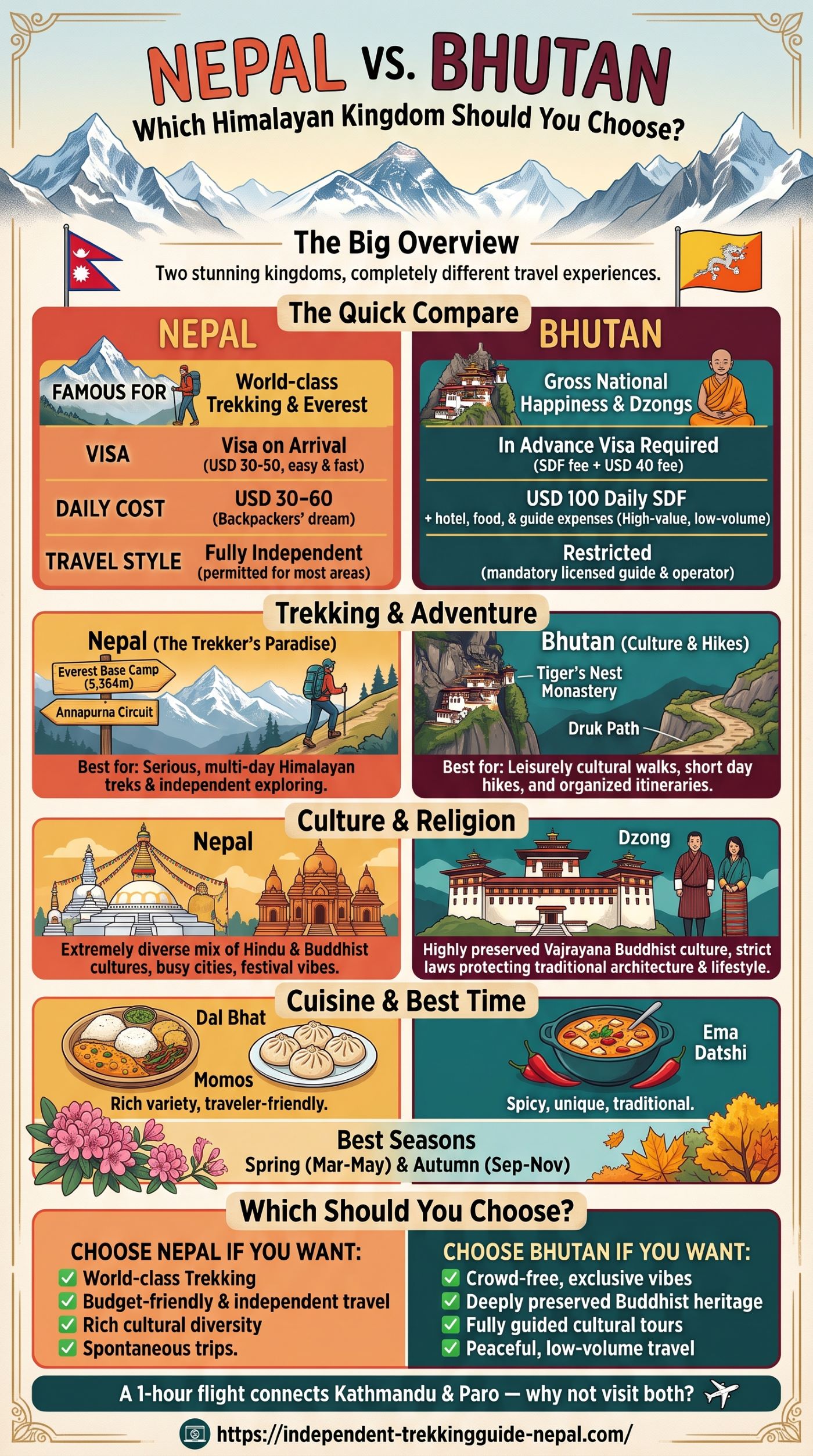
There’s no single “winner” — the right choice depends on your priorities:
- For adventure, trekking, and value: Nepal is unmatched.
- For cultural immersion, exclusivity, and pristine preservation: Bhutan is extraordinary.
Many travelers eventually visit both — trekking in Nepal first, then unwinding with a cultural tour in Bhutan. Direct flights between Kathmandu and Paro take just over an hour, making a combined trip surprisingly feasible . If you’re leaning toward Nepal and dreaming of the mountains, start planning your adventure with a trusted local operator — whether that’s the Everest Base Camp Trek, the Annapurna Circuit, or the awe-inspiring Tilicho Lake trek.
Whichever kingdom you choose, the Himalayas are waiting.
Are you planning to travel to Nepal? Contact us for more details.