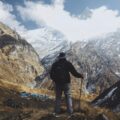
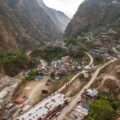
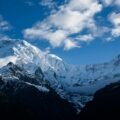
The very name conjures images of icy giants, rugged trails, and the indomitable spirit of adventure. For trekkers and climbers around the globe, the Everest South Base Camp (EBC) in Nepal is the ultimate pilgrimage. It’s more than just a destination; it’s a journey through breathtaking landscapes, ancient cultures, and the very heart of Himalayan mountaineering history. This guide provides everything you need to know about this iconic place, from its location and altitude to the intricacies of the trek and the unique experiences that await.
What is the Everest South Base Camp?
The Mount Everest South Base Camp is the primary staging point for climbers attempting to summit the world’s highest peak from the Nepalese side, via the legendary Southeast Ridge route . Located directly below the treacherous Khumbu Icefall, it serves as a rudimentary campsite at the foot of the mountain . For thousands of trekkers each year, however, it is the final destination of one of the most famous trekking routes in the world .
It’s important to distinguish it from its counterpart, the North Base Camp, which lies in Tibet at an altitude of 5,150 meters (16,900 feet) . The Everest South Base Camp, sitting at an elevation of 5,364 meters (17,598 feet) , is the more accessible and popular of the two, drawing adventurers who want to experience the mountain’s grandeur without the technical climb .
A Glimpse into History
The history of the South Base Camp is inextricably linked with the quest for Everest. It was first established in 1953 by the British expedition that would eventually put Sir Edmund Hillary and Tenzing Norgay on the summit . They set up their camp on the moving ice of the Khumbu Glacier, creating a functional hub for acclimatization and logistical planning.
Initially, it was a purely utilitarian site for mountaineers. But as the allure of Everest grew, so did the desire of non-climbers to simply stand in its shadow. By the 1970s, the trek to Everest Base Camp began to develop, evolving into the world-class trekking destination it is today . What was once a tent for a handful of climbers now transforms into a seasonal tent city each spring, bustling with international expeditions, support staff, and trekkers from around the globe .

The Legendary Trek to South Base Camp
The journey to Everest South Base Camp is as iconic as the destination itself. It’s a 130-kilometer (80-mile) round trip that typically takes 12 to 14 days, allowing for crucial acclimatization . Here’s a snapshot of what this incredible journey looks like.
The Starting Point: Lukla
The adventure almost always begins with a thrilling 30-minute mountain flight from Kathmandu to Lukla’s Tenzing-Hillary Airport (2,860m / 9,383 ft) . Perched on a hillside with a famously short, sloping runway, this airport is an adventure in itself and marks the true beginning of your trek .
The Route and Key Highlights
From Lukla, the trail winds its way through the Dudh Koshi Valley, offering a steady progression through diverse landscapes and cultural hubs.
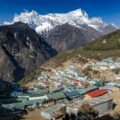
Namche Bazaar (3,440m / 11,286 ft): After a couple of days of trekking, you’ll arrive at the “Sherpa capital.” This bustling trading town is the gateway to the high Himalayas and the primary acclimatization stop. A rest day here is essential and often includes a side hike to the Everest View Hotel for a first glimpse of the mighty peak .
Tengboche Monastery (3,860m / 12,664 ft): Perched on a ridge with stunning views of Ama Dablam and Everest, Tengboche is the spiritual heart of the Khumbu region. This ancient monastery is where many trekkers and climbers stop to receive blessings for a safe journey .
Dingboche (4,410m / 14,468 ft) and Lobuche (4,940m / 16,207 ft): As you ascend higher, the landscape becomes more alpine and barren. These villages serve as further acclimatization points, with Dingboche offering another rest day to prepare your body for the thinning air .
Gorak Shep (5,164m / 16,942 ft): The last settlement on the trek, Gorak Shep is a dusty outpost with a handful of teahouses. It serves as the base from which you will make your final push to both Everest Base Camp and the viewpoint of Kala Patthar.

The Grand Finale: EBC and Kala Patthar
Arrival at Everest South Base Camp: The trek from Gorak Shep to base camp takes you across the rocky, icy moraine of the Khumbu Glacier. Upon arrival, you are greeted not by a clear view of Everest’s summit, but by the immense and powerful atmosphere of the mountain’s foot. You’ll see the Khumbu Icefall cascading down from above and, in the climbing season, a colorful city of tents belonging to expeditions . Standing here, knowing you are at the base of the world’s highest point, is an incredibly emotional and rewarding experience.
Kala Patthar (5,545m / 18,192 ft): The best view of Everest is not from the base camp itself. For that, you must wake before dawn and hike to the top of Kala Patthar, the “black rock.” The sunrise view from this point is legendary, offering a close-up, panoramic vista of the Everest summit, along with Lhotse, Nuptse, and the surrounding peaks bathed in golden light . For many, this is the single greatest highlight of the entire trek.
Planning Your Trek: Essential Information
Successfully trekking to Everest South Base Camp requires careful planning and preparation. Here is a breakdown of the key logistical and practical considerations.
Best Time to Trek
The best time to embark on the EBC trek is during the two primary trekking seasons :
Spring (March to May): This season offers moderate temperatures and the spectacular bloom of rhododendron forests. The skies are generally clear, especially in the mornings.
Autumn (September to November): Widely considered the peak season, autumn provides crystal-clear skies, stable weather, and the best mountain views after the monsoon has cleared the dust from the air.
Permits and Regulations
To trek in the Everest region, you must obtain two permits :
Sagarmatha National Park Entry Permit: Costs approximately 3,000 Nepali rupees (around $35 USD).
Khumbu Pasang Lhamu Rural Municipality Permit: Also costs around 2,000 Nepali rupees (about $15 USD). These permits can be obtained in Kathmandu or at the Monjo checkpoint.
Fitness and Training
The trek is considered moderately challenging. While it doesn’t require technical climbing skills, it demands excellent physical fitness . You should be comfortable hiking for 5-7 hours a day over varied and sometimes steep terrain. A training regimen starting at least two months in advance, focusing on cardiovascular endurance (hiking, running, cycling) and leg strength, is highly recommended .
Health and Altitude Sickness
Altitude sickness is a serious risk on this trek . The key to prevention is a slow and steady ascent with built-in acclimatization days. It is vital to listen to your body, stay hydrated, and know the symptoms of Acute Mountain Sickness (AMS), which include headache, nausea, dizziness, and fatigue. The only real cure is to descend . The death rate for trekkers is very low (around 0.03%), but caution and respect for the altitude are paramount .
Accommodation and Food
The trek is famous for its teahouse infrastructure. These simple lodges offer basic accommodation (usually a bed in a small room) and hearty meals . The food is surprisingly varied, with dal bhat (rice and lentils) being a staple, along with noodles, soups, pancakes, and pasta. As you gain altitude, prices increase and choices become more limited due to the difficulty of transporting supplies . Note that you cannot stay overnight at the base camp itself; that is reserved for climbing expeditions. All trekkers stay at Gorak Shep and visit EBC for a few hours .
Packing Essentials
Packing the right gear is crucial. The key is to dress in layers to adapt to changing temperatures. Essentials include :
Clothing: Thermal base layers, insulating mid-layers (fleece), a waterproof and windproof outer shell, a warm down jacket, a warm hat, gloves, and a sun hat.
Footwear: Sturdy, well-broken-in hiking boots with good ankle support.
Gear: A comfortable backpack (50-60L), a warm sleeping bag rated for at least -10°C (14°F), trekking poles, a headlamp, and water purification tablets or a filter.
Extras: Sunscreen with high SPF, lip balm, a basic first-aid kit, and personal toiletries.
The Future of Everest South Base Camp
Even this iconic location is not immune to change. The Khumbu Glacier, on which the camp sits, is rapidly melting and becoming increasingly unstable due to the effects of global warming . In response, Nepalese authorities announced in 2022 that the camp will eventually be relocated 200 to 400 meters (700 to 1,300 feet) lower to a safer, more stable location . This move underscores the very real impact of climate change on even the highest peaks on Earth.
Conclusion
The journey to Everest South Base Camp is far more than a trek; it’s a profound experience that weaves together natural beauty, cultural richness, physical challenge, and mountaineering history. From the bustling streets of Namche Bazaar and the spiritual serenity of Tengboche Monastery to the final, exhilarating walk across the Khumbu Glacier to the foot of the world’s highest mountain, every step is a story. With the right preparation and a spirit of adventure, standing at the Everest South Base Camp is an achievement that will stay with you forever.