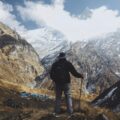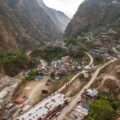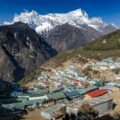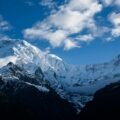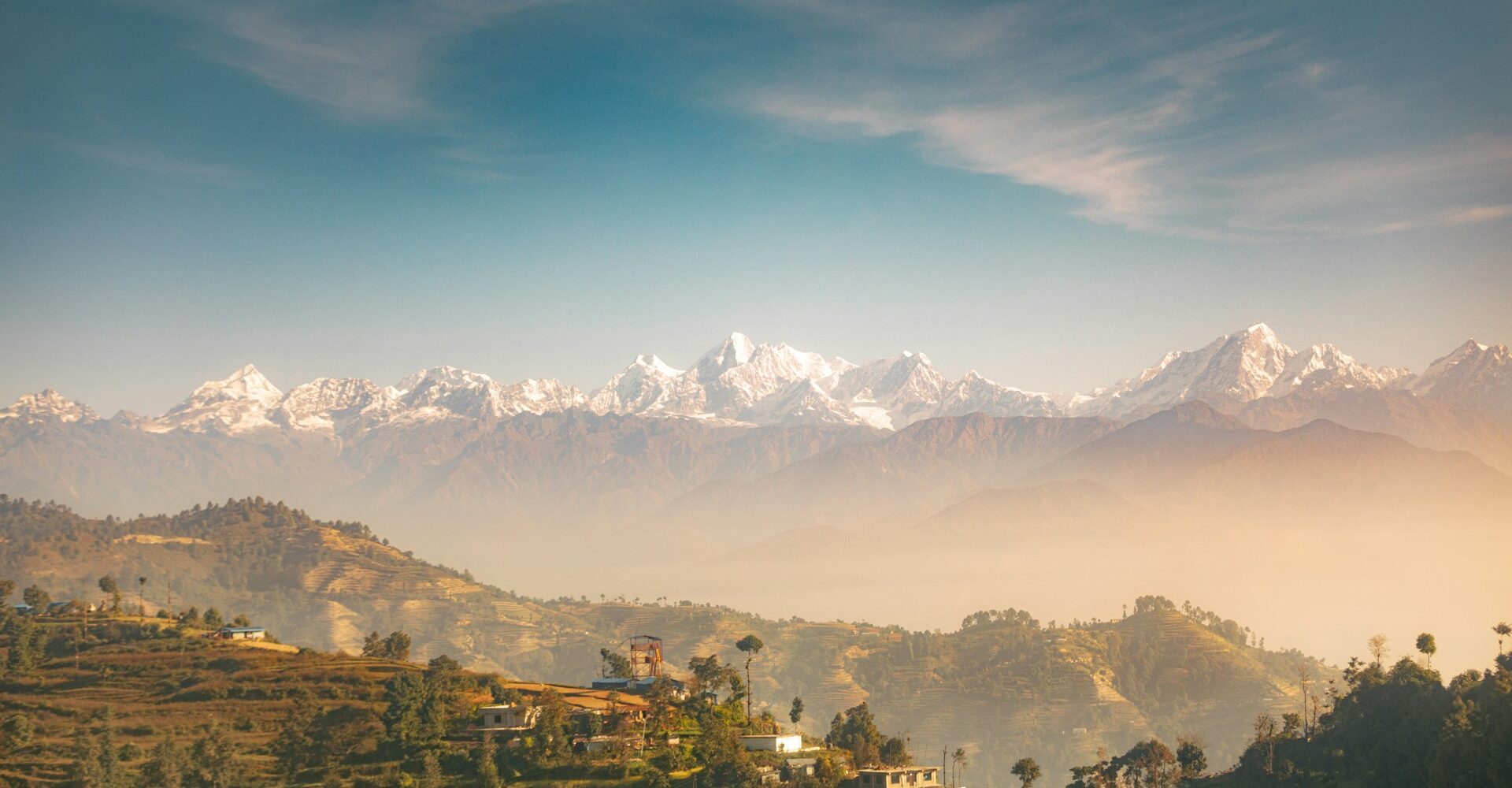
Nestled between the giants of China (Tibet) and India, Nepal is a landlocked nation that defies its small size with extraordinary geographical diversity. From the lowland Terai plains to the towering Himalayas, this country offers a mix of experiences found nowhere else on Earth.
The Lay of the Land
Understanding Nepal’s geography is key to unlocking its magic. The country is split into three distinct regions:
- The Terai Plains: The southern belt bordering India, home to lush jungles and wildlife reserves like Chitwan National Park.
- The Hills: A midland region where terraced farms meet ancient cities like Kathmandu and Pokhara.
- The Himalayas: The northern crown, featuring eight of the world’s 14 highest peaks, including Mount Everest.
When to Visit: Timing the Seasons
Your experience in Nepal heavily depends on the season:
- Autumn (September – November): The golden window. Crystal-clear skies offer dramatic mountain views, making it perfect for trekking.
- Spring (March – May): The second-best season, with blooming rhododendrons painting the hills red and pink.
- Monsoon (June – August): Heavy rains cause landslides and muddy trails, best avoided for trekking but great for the rain-washed greenery of the Kathmandu Valley.
Top Destinations: The Must-See List

1. Kathmandu: The City of Temples
The capital is a sensory overload in the best way. The Kathmandu Valley contains three ancient kingdoms:
- Kathmandu Durbar Square: Medieval courtyards and intricate wood carvings.
- Boudhanath Stupa: One of the largest spherical stupas in the world, a focal point for Tibetan Buddhism.
- Pashupatinath Temple: A sacred Hindu temple complex on the Bagmati River.
- Bhaktapur: A living museum of Newari culture with pottery squares and traffic-free streets.
2. Pokhara: The Adventure Capital
A stark contrast to chaotic Kathmandu, Pokhara sits beside the serene Phewa Lake under the shadow of the Annapurna range. It is the starting point for famous treks and the best place in the world for paragliding.
3. Chitwan National Park
Head to the Terai lowlands to spot rhinoceroses, Bengal tigers, and crocodiles on a jeep safari or canoe ride. It offers a completely different side of Nepal far from snowy peaks.
4. Lumbini
The birthplace of Lord Buddha. Pilgrims and history buffs visit the peaceful Maya Devi Temple and surrounding monasteries built by nations worldwide.
Culture and Etiquette: Namaste!

Photo by Shirish Suwal on Unsplash
Nepal is deeply spiritual, blending Hinduism and Buddhism in a unique syncretic tradition. It is officially a secular state, but religion permeates daily life.
The People of Nepal: A Mosaic of Ethnicities
To truly understand Nepal, you must look beyond the scenery and meet its people. The country is an ethnographic wonderland of 125 distinct caste and ethnic groups. Here is a breakdown of the prominent communities you’ll likely encounter on your journey:
| Ethnic Group / Caste | Primary Location | Language Family | Distinctive Characteristics & Occupation |
|---|---|---|---|
| Chhetri | Nationwide (Hills) | Indo-Aryan (Nepali) | Traditional warrior/ruling class. Form the largest caste group. |
| Bahun (Hill Brahmin) | Nationwide (Hills) | Indo-Aryan (Nepali) | Priestly and scholarly class. Custodians of Hindu rituals and scriptures. |
| Newar | Kathmandu Valley | Tibeto-Burman (Nepal Bhasa) | Historical inhabitants of the valley. Master woodcarvers, metalworkers, and traders. Rich in high culture and unique cuisine. |
| Sherpa | Khumbu (Everest Region) | Tibeto-Burman | World-famous mountaineers and high-altitude guides. Follow Tibetan Buddhism. “Sherpa” means “People of the East”. |
| Tharu | Terai (Southern Plains) | Indo-Aryan (Tharu dialects) | Indigenous people of the Terai. Known for their immunity to malaria and vibrant wall art/decoration in mud houses. |
| Tamang | Central Hills around Valley | Tibeto-Burman | “Tamang” means “Horse Traders”. Rich musical tradition, especially the Damphu drum. |
| Madhesi | Terai (Southern Plains) | Indo-Aryan (Maithili, Bhojpuri) | Share cross-border cultural ties with North India. Celebrate Chhath festival as their main holy day. |
| Gurung | Annapurna Region | Tibeto-Burman | Renowned as brave Gurkha soldiers. Famous for their hospitality in the Annapurna trekking homestays. |
Do’s and Don’ts
- The Greeting: Press your palms together and say “Namaste”. It translates to “I bow to the divine in you”.
- Dress Modestly: Cover your shoulders and knees, especially in temples and rural villages.
- Remove Shoes: Always remove footwear before entering a temple or a private home.
- The Right Hand Rule: Eat, pay, and pass items with your right hand only. The left is considered unclean.
- Sacred Cows: Cows are the national animal and are sacred; killing one is illegal. Beef (specifically from cows) is strictly prohibited.
Top Activities in Nepal
Adventure souls and peace seekers will never run out of things to do. Here are the top-rated activities categorized by intensity and region.

Photo by Redmaz Pham on Unsplash
| Activity | Region / Hub | Intensity Level | Best Time | Description |
|---|---|---|---|---|
| Everest Base Camp Trek | Khumbu (Lukla) | Strenuous | Oct-Nov / Mar-May | The iconic 14-day journey to the foot of the world’s highest peak. |
| Annapurna Circuit Trek | Annapurna Region | Moderate/Strenuous | Oct-Nov / Mar-May | Cross the Thorong La Pass (5,416m). Diverse landscapes from jungle to desert. |
| Paragliding | Pokhara (Sarangkot) | Mild | Oct-April | Soar over Phewa Lake with the backdrop of the Annapurna Himalayas. |
| Jungle Safari | Chitwan/Bardia | Easy | Oct-March | Jeep rides or walking safaris to spot the one-horned rhino and Bengal tiger. |
| White Water Rafting | Trishuli/Bhote Koshi | Moderate | Mar-May / Oct-Nov | Navigate grade 3 to 5 rapids on rivers flowing from the glacier peaks. |
| Bungee Jumping | The Last Resort (Bhotekoshi) | Extreme | Year-round | A 160m drop into a tropical gorge; one of the world’s highest bungee jumps. |
| Cultural Rickshaw Ride | Thamel (Kathmandu) | Easy | Year-round | Explore the vibrant tourist hub and street markets on a traditional man-pulled rickshaw. |
| Yoga & Meditation Retreat | Lumbini/Pokhara | Easy | Year-round | Spiritual cleansing and meditation courses in the birthplace of Buddha. |
Sacred Spaces: Famous Temples in Nepal
Nepal is known as the “Land of Temples.” While many are dedicated to specific ethnic groups (like the Newars) and lie hidden in Durbar Squares, these are the iconic shrines every visitor should see.
| Temple / Stupa | Location | Deity / Style | Key Fact |
|---|---|---|---|
| Pashupatinath Temple | Kathmandu | Hindu (Lord Shiva) | The holiest Hindu shrine in Nepal, situated on the holy Bagmati River. Only Hindus can enter the main temple. |
| Swayambhunath Stupa | Kathmandu | Buddhist | Known as the “Monkey Temple”. The iconic painted eyes of Buddha watch over the entire valley. |
| Boudhanath Stupa | Kathmandu | Buddhist | One of the largest spherical stupas in the world and the center of Tibetan exile life. |
| Maya Devi Temple | Lumbini | Buddhist | Marks the exact spot where Queen Maya Devi is said to have given birth to Lord Buddha. |
| Manakamana Temple | Gorkha | Hindu (Durga) | The “Wish-Fulfilling” temple. Accessed by a thrilling cable car ride over the Trishuli River. |
| Tal Barahi Temple | Pokhara | Hindu (Varahi) | A two-story pagoda sitting entirely on a small island in the middle of Phewa Lake. |
| Muktinath Temple | Mustang | Hindu/Buddhist | A sacred site at 3,800m where 108 water spouts and an eternal flame exist side by side. |
Festivals in Nepal: The Country That Never Stops Celebrating
Nepal celebrates a festival almost every month, a beautiful reflection of the ethnic tapestry listed above. If you want to watch the Newar chariot processions or the Sherpa masked dances, time your visit right.
| Festival | Month (Lunar Calendar) | Religious Significance | Key Highlights & Activities | Best Place to Experience |
|---|---|---|---|---|
| Dashain | September/October (Ashwin) | Hindu (Victory of Durga over Mahishasura) | Family reunions, flying kites, animal sacrifices, elders putting “Tika” and Jamara on juniors. Longest festival (15 days). | Nationwide (Especially Kathmandu Valley) |
| Tihar (Deepawali) | October/November (Kartik) | Hindu (Festival of Lights, honoring Yama and Laxmi) | Five days of honoring crows, dogs, cows, and oxen. Laxmi Puja with oil lamps, Deusi/Bhailo cultural songs, and Rangoli art. | Nationwide |
| Holi (Fagu Purnima) | February/March (Falgun) | Hindu (Spring festival, victory of good over evil) | Water fights, throwing colored powder (gulal), and musical celebrations on the streets. | Kathmandu (Basantapur), Pokhara (Lakeside) |
| Buddha Jayanti | April/May (Baisakh) | Buddhist (Birth, Enlightenment & Death of Buddha) | Pilgrims visit stupas, prayer ceremonies, release of captive animals, and oil lamp lighting. | Lumbini, Boudhanath, Swayambhunath |
| Indra Jatra | August/September (Bhadra) | Hindu/Buddhist (Honors Lord Indra, harvest festival) | Chariot procession of the Living Goddess Kumari, masked dances (Lakhey dance), erection of the ceremonial pole (Lingo). | Kathmandu Durbar Square |
| Maghe Sankranti | January (Magh) | Hindu (End of winter solstice) | Ritual bathing at river confluences, eating ghee, yams, and sesame seed sweets (Chaku) to stay warm. | Devghat, Dolalghat |
Political Geography: Provinces of Nepal
Since 2015, Nepal has been a Federal Democratic Republic divided into 7 provinces. This table helps clarify the regional breakdown when planning your travel route.
| Province Number | Province Name | Capital | Main Tourist Attraction |
|---|---|---|---|
| Province 1 | Koshi | Biratnagar | Mount Everest, Kanchenjunga, Lukla Gateway. |
| Province 2 | Madhesh | Janakpur | Janaki Temple (birthplace of Sita), Chhath festivals. |
| Bagmati Province | Bagmati | Hetauda | Kathmandu Valley (Durbar Squares, Pashupatinath, Swayambhunath), Langtang. |
| Gandaki Province | Gandaki | Pokhara | Pokhara City, Annapurna Circuit, Muktinath Temple. |
| Lumbini Province | Lumbini | Deukhuri | Lumbini (Birthplace of Buddha), Bardiya National Park. |
| Karnali Province | Karnali | Birendranagar | Rara Lake, Phoksundo Lake, untouched trekking trails. |
| Sudurpashchim Province | Sudurpashchim | Godawari | Khaptad National Park, Shuklaphanta Wildlife Reserve. |
Practical Travel Guide for 2026
Visa Rules
Most foreign nationals must obtain a visa to enter Nepal. Fortunately, the “Visa on Arrival” system makes it easy for air travelers flying into Tribhuvan International Airport (TIA) in Kathmandu.
- 15 Days: Approx. $30 USD
- 30 Days: Approx. $50 USD
- 90 Days: Approx. $125 USD
- Pro Tip: You can fill out the online application form within 15 days of your arrival to speed up the airport process. Carry cash in crisp, clean USD notes for faster payment.
Safety and Health
Nepal is generally considered a safe country with kind and hospitable locals. However, there are health and safety precautions to note:
- Medical Services: Healthcare is limited outside major cities. Hospitals in Kathmandu can be crowded and may ask for upfront payment. Travel insurance with medical evacuation coverage is highly recommended.
- Street Safety: Be cautious with pickpockets in crowded tourist hubs like Thamel. Beware of children asking for money for photos.
- Natural Disasters: Nepal is prone to earthquakes and monsoon-related landslides. Stay updated on local news reports.
Getting Around
Domestic flights are the fastest way to reach Pokhara or mountain airstrips like Lukla. In cities, ride-sharing apps like Pathao and InDrive are popular and affordable.
Frequently Asked Questions (FAQs)
Q: Do US/UK citizens need a visa for Nepal?
A: Yes. Citizens of the US and UK cannot enter visa-free. However, they can obtain a tourist visa upon arrival at Kathmandu airport or at designated land border crossings by paying the required fee.
Q: Can I trek independently without a guide?
A: Generally, no. Since 2023, the Nepal Tourism Board requires all foreign trekkers in national parks and protected areas to hire a licensed guide. This improves safety and supports local employment.
Q: Is Nepal very expensive?
A: No. Nepal is famously budget-friendly. You can find a satisfying local meal for 2−5 USD, and guesthouse accommodation in cities ranges from 15−40 USD per night.
Q: What is the emergency number for tourists?
A: The Tourist Police specifically handle issues faced by travelers. Dial 1144 for their toll-free, English-speaking services. For general police, dial 100.
Q: Is tap water safe to drink?
A: No. Drinking tap water is not advisable. Stick to bottled water, water purification tablets, or use a reusable bottle with a built-in filter.
Interesting things About Nepal
- No Independence Day: Nepal has never been colonized. It is one of the few Asian countries that maintained its sovereignty throughout history.
- The Only Non-Rectangular Flag: Nepal’s national flag is the only one in the world that isn’t quadrilateral. It consists of two stacked crimson pennants representing the Himalayas and Hinduism/Buddhism.
- Living Goddess: The Kumari is a prepubescent girl chosen to be a living goddess. She resides in the Kumari Ghar in Kathmandu Durbar Square and appears occasionally on the balcony.
- Gurkha Warriors: Known for their bravery and iconic khukuri knives, Nepalese Gurkhas have famously served in the British and Indian armies for over 200 years.
- Birthplace of Buddha: Lumbini, located in southern Nepal, is the historical birthplace of Siddhartha Gautama, the founder of Buddhism.
- 8 Out of 14 Peaks: Of the world’s 14 mountains exceeding 8,000 meters (8,000ers), 8 reside in Nepal, including the highest, Mount Everest (8,849m).
- Extreme Time Zone: Nepal has one of the most unique time zones in the world. It is set 5 hours and 45 minutes ahead of GMT (GMT+5:45), a nod to its national pride and independence.
- Forgotten Kingdom: Until 2008, Upper Mustang was a forbidden kingdom closed to foreigners. It still preserves pure Tibetan Buddhist culture.
- 123 Languages: Nepal is incredibly diverse for its small size. There are 123 distinct languages spoken as mother tongues across the country.
- Dasain (Dashain): The longest and most significant festival in Nepal lasts 15 days, celebrating the victory of gods over demons with family gatherings, animal sacrifices, and flying kites.
Read more about 50 Amazing facts about Nepal
Conclusion
Nepal is more than just a trekking destination; it is a profound experience that changes your perspective. Whether you are sipping tea in a mountain teahouse, navigating the organized chaos of Thamel, or feeling the spiritual energy of a Buddhist stupa, you are in for an adventure like no other. Plan smart, respect the local customs, and let the Himalayas change you.