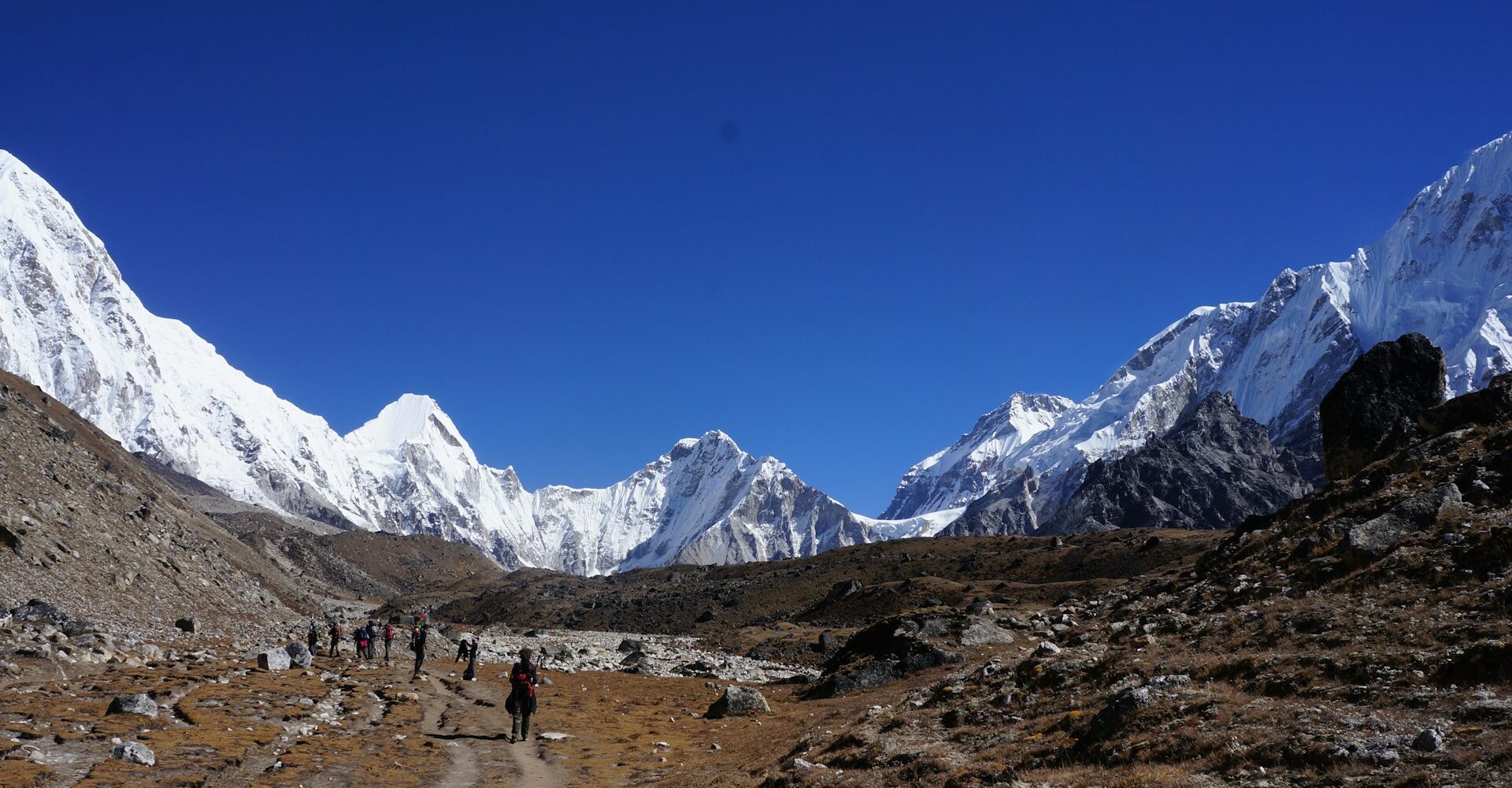
A complete guide to the flight-free alternative
When most people imagine trekking to Everest Base Camp, they picture the infamous flight into Lukla—the “most dangerous airport in the world” with its 1,729-foot runway perched on a mountainside . Turbulence, cancellations, and white-knuckle landings are all part of the package.
But what if you could skip the flight entirely?
The answer is a resounding yes—you can walk to Everest Base Camp without ever boarding a plane. In fact, this is how everyone did it before Lukla Airport opened in the late 1970s . This guide explores the overland routes, what to expect, and whether the flight-free option is right for you.
The Short Answer
| Question | Answer |
|---|---|
| Can you walk from Kathmandu to EBC? | Yes, via the traditional Jiri route or modern road-cum-trek options |
| How long does it take? | 16–22 days total (compared to 12–14 days with the Lukla flight) |
| Do you need to trek the entire way? | No—you can drive partway and start trekking from Salleri, Phaplu, or Thamdanda |
| Is it harder than the standard route? | Yes—longer duration and more elevation gain/loss |
| Is it worth it? | For many adventurers, absolutely |
The Traditional Route: Walking in the Footsteps of Legends
Before Lukla Airport existed, the only way to reach the Everest region was by trekking from Jiri—a small town about 180 kilometers east of Kathmandu . This is the path taken by Tenzing Norgay and Sir Edmund Hillary themselves on their history-making 1953 expedition .
The Jiri to EBC Route (Classic)

| Segment | Duration | Highlights |
|---|---|---|
| Kathmandu to Jiri | 6–8 hours by bus/jeep | Winding mountain highways |
| Jiri to Namche Bazaar | 10–12 days | Rhododendron forests, Lamjura Pass (3,530m), traditional Sherpa villages |
| Namche to EBC & return | 8–10 days | Same as standard route |
| Total | 18–22 days |
“This splendid classic Everest Base Camp Trek, which follows the footsteps of the earliest climbers and trekkers, doesn’t have the internal flights. It is a perfect fit for those who want to avoid the famous Lukla flights.”
The Modern Overland Option: Drive Further, Trek Less
Roads have expanded significantly in recent years. You no longer need to start from Jiri—you can drive much closer to Lukla before putting on your hiking boots .
Popular Starting Points by Jeep
| Starting Point | Drive Time from Kathmandu | Trek Days to EBC | Road Condition |
|---|---|---|---|
| Salleri | 8–10 hours | 12–14 days | Paved highway |
| Phaplu | 9–11 hours | 12–14 days | Paved + short unpaved |
| Thamdanda/Kharikhola | 10–12 hours | 10–12 days | Mixed; rough final section |
| Surke (near Lukla) | 12–14 hours | 9–11 days | Mostly unpaved, bumpy |
The road to Salleri is now paved and in good condition . Beyond that, expect unpaved “dirt roads” that can be rough, especially during monsoon season (June–September) .
Sample Itinerary: Kathmandu → Salleri → EBC (17 days)
| Day | Route | Elevation | Notes |
|---|---|---|---|
| 1 | Kathmandu → Salleri (jeep) | 1,400m → 2,362m | 8–10 hour drive |
| 2 | Salleri → Ringmo (trek begins) | 2,362m → 2,570m | Gentle start |
| 3 | Ringmo → Nunthala | → 2,190m | Descent to Dudh Koshi River |
| 4 | Nunthala → Bupsa Danda | → 2,250m | Mixed terrain |
| 5 | Bupsa → Surke | → 2,290m | Last road point |
| 6 | Surke → Phakding | → 2,610m | Joins main EBC trail |
| 7 | Phakding → Namche | → 3,440m | The famous climb |
| 8 | Acclimatization | 3,440m | Everest View Hotel |
| 9 | Namche → Tengboche | → 3,867m | Monastery visit |
| 10 | Tengboche → Dingboche | → 4,410m | Alpine zone |
| 11 | Acclimatization | 4,410m | Hike Nangkartshang |
| 12 | Dingboche → Lobuche | → 4,910m | Memorials along trail |
| 13 | Lobuche → Gorakshep → EBC | → 5,364m | The big day! |
| 14 | Kala Patthar → Pheriche | 5,555m → 4,240m | Sunrise at highest point |
| 15–16 | Trek back to Surke | Descent | Retrace steps |
| 17 | Surke → Kathmandu (jeep) | — | Long drive back |
Source: Adapted from multiple overland EBC trek operators
Side-by-Side Comparison: Flight vs. Overland
| Factor | Fly to Lukla | Overland (No Flight) |
|---|---|---|
| Total duration | 12–14 days | 16–22 days |
| Cost | $1,200–$2,500+ | $1,000–$2,000 (slightly cheaper) |
| Lukla flight anxiety | ☠️ Yes—notorious delays/cancellations | ✅ None |
| Flight cancellation risk | High (weather-dependent) | None |
| Acclimatization | Faster ascent (higher risk of AMS) | Gradual ascent (lower risk) |
| Scenery variety | Mountain views only | Hills → forests → mountains |
| Crowds | Very busy (peak seasons) | Quieter, especially first week |
| Cultural immersion | Limited to Khumbu Sherpa | Deeper—pass through diverse villages |
| Physical difficulty | Hard (steep, high altitude) | Harder (longer, more elevation changes) |
“This overland approach is the ideal option for trekkers who prefer not to fly to Lukla and wish to explore more of Nepal’s diverse Himalayan terrain while enjoying a smoother acclimatisation and a richer cultural experience.”

Why Choose the Overland Route?
The Advantages
1. No Lukla Flight Anxiety
Lukla flights are frequently canceled due to bad weather, especially in spring and autumn . Trekkers often lose 1–3 days waiting in Kathmandu or Ramechhap. The overland route eliminates this uncertainty entirely.
2. Better Acclimatization
Starting from lower elevations (Jiri at ~1,900m vs. Lukla at 2,860m) means your body adjusts more gradually. Many trekkers on the standard route experience Acute Mountain Sickness (AMS) because they gain altitude too quickly. The overland route’s longer approach gives you “more days before we reach Everest Base Camp [making it] best from the acclimatization standpoint” .
3. Quieter Trails
Most trekkers (over 90%) fly to Lukla. The Jiri and Salleri routes see a fraction of the traffic. If solitude matters to you, this is a compelling reason to skip the flight.
4. Richer Cultural Experience
The Solu region (between Jiri and Namche) is home to diverse ethnic groups—Rai, Tamang, and lower-altitude Sherpa communities. You’ll see terraced farms, traditional mills, and villages that haven’t been transformed by trekking tourism .
5. Diverse Landscapes
From subtropical forests filled with rhododendrons (blooming March–April) to high-alpine desert, you experience the full spectrum of Nepal’s geography—not just the high Himalayas .
The Disadvantages
1. Longer Duration
Add 4–8 days to your trip. If you have limited vacation time, this may not be feasible.
2. More Physical Demands
The classic route involves more ups and downs—you’ll descend into river valleys and climb back out repeatedly before even reaching Namche. “It can be physically demanding as you have to trek for longer duration” .
3. Bumpy Jeep Rides
The road from Salleri to Surke is unpaved. “Expect a bumpy ride. You might even have to walk at a few places” . This is not a luxury experience.
4. Limited Teahouse Infrastructure
The villages between Jiri and Lukla have fewer teahouses and less variety in food. The classic “pizza and brownie” teahouses of the Khumbu don’t exist here .
Practical Information
Permits (Same as Standard Route)
| Permit | Cost (USD) | Where to Get |
|---|---|---|
| Sagarmatha National Park Permit | ~$30 | Kathmandu or Monjo entry gate |
| Khumbu Pasang Lhamu Rural Municipality Permit | ~$20 | Kathmandu or Monjo |
| Gaurishankar Conservation Area Permit | ~$15 | Required for Jiri route only |
What to Pack
Same gear as the standard EBC trek, but consider these additions:
- Extra socks (more days on trail)
- Power bank (charging may be unavailable in smaller villages)
- Cash (fewer ATMs and card facilities)
- Earplugs (basic teahouses can be noisy)
Best Seasons
| Season | Months | Verdict |
|---|---|---|
| Spring (March–May) | Rhododendron blooming | Excellent |
| Autumn (September–November) | Clear skies, stable weather | Perfect |
| Summer/Monsoon (June–August) | Muddy roads, leeches, trail damage | Avoid |
| Winter (December–February) | Cold, possible snow closure | Possible but challenging |
Cost Comparison
| Expense | Standard (Fly) Route | Overland Route |
|---|---|---|
| Lukla flight (round trip) | $360–$440 | $0 |
| Jeep/bus to trailhead | $0 | $50–$100 |
| Extra teahouse nights (5–8 extra days) | $0 | $150–$250 |
| Extra meals | $0 | $150–$200 |
| Difference | Baseline | ~$250–$450 cheaper |
“Trekkers who prefer economical EBC Trek or who have a flying phobia can travel by bus/jeep and then trek.”
Which Route Is Right for You?
Choose the Overland Route if:
- ✅ You have 18+ days for the trek
- ✅ You want to avoid Lukla flight anxiety/cancellations
- ✅ You’re seeking quieter trails and deeper cultural immersion
- ✅ You have previous multi-day trekking experience
- ✅ You want the full “original way” experience
Choose the Lukla Flight if:
- ✅ You have only 12–14 days
- ✅ You want the classic “short” EBC trek
- ✅ You prefer to save energy for the high-altitude section
- ✅ You’re comfortable with small plane flights
Final Thoughts
Walking to Everest Base Camp without flying is not just possible—for many, it’s the better way. You trade convenience for immersion, speed for gradual acclimatization, and crowds for solitude. You walk the same path as Hillary and Tenzing. And when you finally reach Base Camp, after 18 days of putting one foot in front of the other from the low hills to the high ice, the achievement feels distinctly different.
“This is a good chance to retrace the footsteps of the history makers, the first summiteers of Everest.”
The mountain will still be there whether you fly or walk. The question is: how do you want to earn your view of it?
Have you done the overland route to EBC? Or are you considering it? Share your questions or experiences in the comments below.