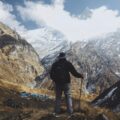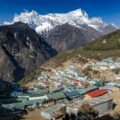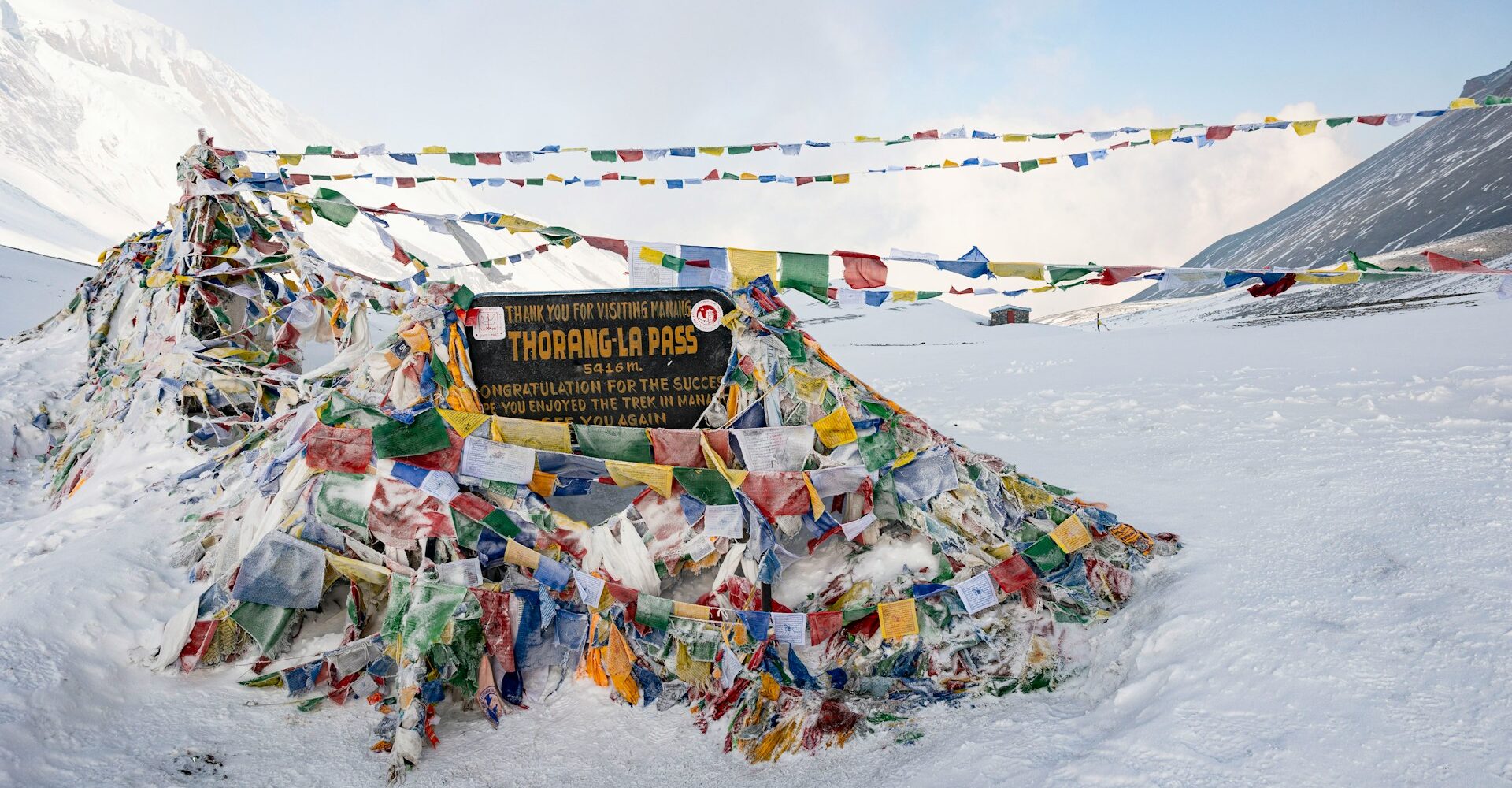
When most people picture trekking in Nepal, they imagine the golden autumn light of October and November or the vibrant rhododendron blooms of spring. But for the adventurous soul seeking true solitude, crystal-clear mountain panoramas, and the challenge of the elements, a winter trek in Nepal is an unmatched experience.
While the high passes are snowbound, the winter season unlocks a different side of the Himalayas—one of deep tranquility, crisp air, and snow-dusted trails that feel like your own private world. This guide covers everything you need to know about trekking during the cold months, from the best routes to essential gear.
Why Choose a Winter Trek in Nepal?
Trekking in the Nepali winter (roughly December through February) isn’t for everyone. You sacrifice the warmth of the teahouse garden for the warmth of a yak-dung stove. But what you gain is priceless:
- Solitude: The crowded trails of the Annapurna Circuit or Everest Base Camp are practically deserted. You’ll often have the path and viewpoints entirely to yourself.
- Unbelievable Clarity: The monsoon humidity is a distant memory. Winter air is dry and crisp, offering the clearest mountain views of the year, especially in the early morning.
- Cultural Immersion: With fewer trekkers, your interactions with locals in villages feel much more personal and authentic.
- Lower Prices: Flights to Kathmandu and domestic airfares to trekking hubs are often cheaper during the cold months, except during the Christmas and New Year peak.
Understanding the Cold Months: When to Go
If you are searching for a “winter trek,” the window is specific. Here’s how the cold months break down for altitude trekking:
| Month | Conditions | Recommendation |
|---|---|---|
| December | Cold, but generally stable. Deep snow hasn’t fully accumulated. Days are sunny and nights drop well below freezing. | Excellent. Best month for winter trekking before the deep cold hits. |
| January | The coldest month. Trails above 4,000m can be very icy. High passes are often closed. Water pipes in teahouses can freeze solid. | Challenging. Only for lower-altitude or “comfort” treks. Requires serious gear. |
| February | Lingering snow but warmer days. Snowfall can still be heavy in the late afternoon. | Good. Ideal for late-winter treks, though morning ice remains a hazard. |
Top 3 Winter Treks for the Cold Months
Picking the right trek is survival 101. You need routes that stay relatively low in altitude (under 3,500m) or sit in a “rain-shadow” region protected from heavy snow.
1. Ghorepani Poon Hill Trek

- Duration: 4–5 Days
- Max Altitude: 3,210m
- Best For: First-timers and photographers.
This is arguably the best winter trek in Nepal. The altitude is low enough that the cold is manageable, but the views from Poon Hill of Dhaulagiri and Annapurna are Himalayan giants. Because of south-facing slopes, snow usually melts fast on the trail by midday.
2. Langtang Valley Trek

- Duration: 7–9 Days
- Max Altitude: Kyanjin Ri (4,300m) optional
- Best For: Those wanting a “deep mountain” feel.
Langtang is close to Kathmandu and offers a stunning U-shaped valley. In winter, you can trek safely up to Kyanjin Gompa. The valley floor is flatter and safer than narrow ridge trails. Wildlife, including the red panda, sometimes descends lower during these cold months.
3. Everest View (Phaplu to Tengboche)

- Duration: 9–11 Days
- Max Altitude: Tengboche (3,860m)
- Best For: Those obsessed with Everest.
Instead of fighting blizzards at Base Camp, take the classic route that enters from the lower Solu region. You’ll stop at the Tengboche Monastery, perhaps seeing monks chanting in heavy maroon robes against a backdrop of Everest and Ama Dablam dusted in crisp white snow.
What to Pack: Surviving the Freeze
Winter trekking gear is non-negotiable. Comfort turns to danger very quickly if you get wet in the cold months.
- Sleeping System: A 4-season sleeping bag rated to -15°C (5°F) or lower. Teahouse blankets are available but rarely sufficient in January.
- Layering: Merino wool base layer, a thick fleece mid-layer, and a down jacket (700+ fill power) for the evenings.
- Feet: Insulated, waterproof trekking boots. Vapor barrier socks can save your toes in deep cold.
- Accessories: Microspikes are life-savers. Trails in the shade become permanent sheets of ice. A down-filled bootie for the teahouse at night is a luxury worth its weight.
- Hydration: Insulated water bottles. Regular Nalgenes will freeze solid within an hour in January.
Challenges & Safety in the Cold Months
The Dangers
- Hypothermia: Cold is the obvious killer. Keep moving and never let sweat freeze on your skin.
- High Passes Closed: Do not plan a winter trek that crosses Thorong La (5,416m) or Cho La (5,420m). They are avalanche-prone and usually officially closed between late December and March.
- Teahouse Closures: At very high altitude (above 4,000m), entire villages like Gorak Shep or Annapurna Base Camp sometimes shut down completely in January. Always confirm ahead with your guide that a lodge is open at your planned destination.
The Rewards
There is no feeling like sitting around a yak-dung fire in a tiny wooden kitchen in Langtang while the Milky Way blazes overhead in the frozen silence. Winter strips away the noise of peak-season hiking and leaves you with the raw, powerful presence of the mountains.
Winter Festivals to Add to Your Trek
One of the best ways to warm up your soul during a winter trek is to align your start or end dates with local festivals in Nepal. As mentioned in our detailed Nepal guide, the winter season offers spectacular cultural events in the Kathmandu Valley or Pokhara before you head to the hills.
| Festival | Month (Lunar Calendar) | How to Experience It |
|---|---|---|
| Maghe Sankranti | January (Magh) | Eat “Chaku” (molasses) and yams to stay warm. Holy dips happen at Devghat. |
| Losar (Tibetan New Year) | February/March | Watch masked dances and fireworks in Boudhanath or Sherpa villages like Namche. |
| Maha Shivaratri | February/March | Thousands of Sadhus gather at Pashupatinath, smoking and meditating—a sight you’ll never forget. |
Frequently Asked Questions: Winter Trek in Nepal
Q: Is it safe to trek to Everest Base Camp in the cold months?
A: Generally, no. EBC in January is extremely harsh. Loose rocks freeze, altitude feels worse, and many teahouses above 4,500m close. A better option is the “Everest View” trek stopping at Tengboche, where the teahouses stay open.
Q: Will my phone and camera batteries die faster?
A: Yes. Lithium-ion batteries hate the cold. Keep your power bank, phone, and camera batteries in your sleeping bag at night, and store them in an inner jacket pocket next to your body when hiking.
Q: Can I still do the Annapurna Circuit in December?
A: You can trek the lower half (up to Manang), but Thorong La Pass (5,416m) is usually closed from late December due to extreme avalanche risk. You cannot complete the full loop.
Q: Is a guide mandatory for a winter trek?
A: Yes. Since 2023, a licensed guide is mandatory for all treks in national parks. In winter, a guide is literally a lifesaver—they know which trails are iced over, which teahouses are open, and can read the weather signs.
A winter trek in Nepal isn’t a standard vacation; it’s an expedition into serenity. The cold months demand respect, the right gear, and a flexible mindset. The days are short, the wood-burning stoves feel like heaven, and the mountain views are sharper than a knife’s edge.
If you want to see the Himalayas sleeping under a blanket of snow without any crowds, pack your down jacket and go chase the winter sun. Feel free to contact us for more details and itineraries.