Nepal is a country that stirs the soul—a land of towering Himalayan peaks, ancient temples, and warm, welcoming people. But traveling here is not like a trip to Europe or North America; the rhythm of life, the infrastructure, and cultural norms are uniquely Nepali. With new rules and systems in place for 2026, a little preparation goes a long way. Here is everything you need to know before you go—covering the essentials, the 2026 updates, and the most frequently asked questions—all in one comprehensive guide.
Part 1: Visa and Entry (2026 Updates)
Getting into Nepal is relatively straightforward for most nationalities, but the system has seen significant updates in 2026.
Visa on Arrival vs. eTA: What’s the Deal?
Visa on Arrival: This is still available at Tribhuvan International Airport in Kathmandu and designated land borders for most nationalities.
The New eTA/e-Visa System: Nepal has introduced an Electronic Travel Authorization (eTA) system, replacing sticker visas for many applicants. You can now fill out the online tourist visa form within 15 days of your flight and bring the barcode receipt with you. As of August 2026, a full e-Visa system is being rolled out, but Visa on Arrival still remains available for eligible nationalities during this transition.
2026 Visa Fees
- 15 days: $30 USD
- 30 days: $50 USD
- 90 days: $125 USD
Critical Visa Tips
- Payment: Credit cards are not reliable for visa payments. Bring clean, crisp US dollars in cash to speed up processing.
- Passport Validity: Your passport must have at least six months’ validity from your expected departure date.
- SAARC Nationals: Citizens of SAARC countries (Afghanistan, Bangladesh, Bhutan, India, Maldives, Pakistan, Sri Lanka) get a free visa for the first days, once per visa year.
- Children: Children under 10 years old receive a tourist visa free of charge for stays up to 30 days.
Nationalities That Cannot Get Visa on Arrival
Citizens of these countries must obtain a visa before traveling from a Nepali embassy: Afghanistan, Cameroon, Eswatini (Swaziland), Ethiopia, Ghana, Iraq, Liberia, Nigeria, Palestine, Somalia, Syria, and Zimbabwe. Refugee travel document holders are also ineligible.
Part 2: Trekking Rules Have Changed (2026 Update)
If your trip includes any trekking, this is the most critical section to read. The rules have modernized significantly.
The New Solo Trekking Rules
The old two-person minimum rule for restricted areas has been abolished. However, “solo” does not mean “alone.” If you are trekking in a restricted area (which includes classics like Upper Mustang, Manaslu, and Kanchenjunga), you are legally required to:
- Hire a Licensed Guide: You cannot walk these trails without a professional. The guide-to-trekker ratio is capped at one guide per 7 trekkers.
- Use a Registered Agency: Your Restricted Area Permit must be processed through an authorized local agency.
Digital Permit System
The system is now nearly all-digital. Permits are electronically linked to your passport and visa, and you will be scanned at checkpoints along the trail. Ensure your passport and visa have enough validity to cover your entire trekking schedule.
Restricted Areas and Permit Costs
Special permits and guide rules apply in 15 restricted districts, mostly near the Tibetan border. Popular ones include:
| Restricted Area | Permit Cost |
|---|---|
| Upper Mustang | $50 USD per day |
| Manaslu Circuit | $100 USD per week (peak season), $70 USD (off-peak) |
| Tsum Valley | $70 USD per week (peak), $35 USD (off-peak) |
| Kanchenjunga, Dolpo, Nar-Phu, Makalu | Varies; check with your agency |
National Park and Conservation Permits
In addition to Restricted Area Permits, you need separate permits for national parks and conservation areas:
- Langtang National Park: NPR 3,000 (~$22 USD)
- Annapurna Conservation Area (ACAP): NPR 3,000
- TIMS Card: NPR 2,000 for independent trekkers, NPR 1,000 for group trekkers
Required Documents for Permits
- Valid passport (original + copy)
- Nepal tourist visa (already stamped or receipt)
- Passport-size photos (2 copies)
- Detailed trek itinerary
- Travel insurance documents covering high-altitude helicopter rescue
Part 3: Navigating the Country: Roads, Flights, and Traffic
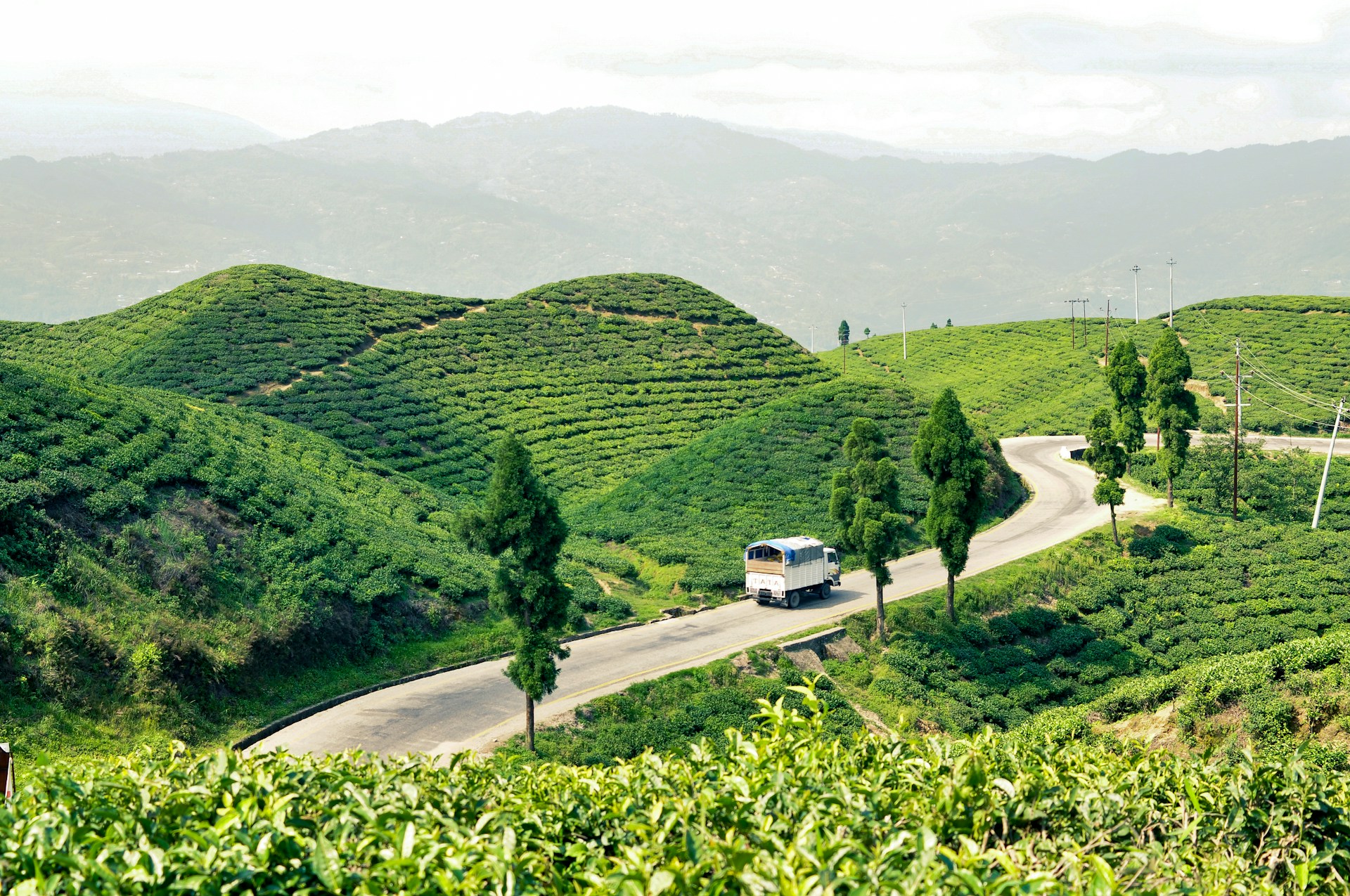
Photo by Sashi Shrestha on Unsplash
Getting around Nepal is an adventure in itself. It requires patience and a flexible attitude.
Road Travel
Driving in Nepal is not for the faint-hearted. Roads are often poorly maintained, crowded, and winding. Overtaking is common, and traffic rules are loosely followed. Overnight bus travel is particularly risky and best avoided. If you must take a taxi, always negotiate the fare before you get in, as meters are rarely used. Uber and Pathao operate in Kathmandu, offering transparent pricing.
Domestic Flights
While a quick way to see the mountains, domestic flights are notorious for delays and cancellations, especially during the monsoon season (June to September) when visibility is low. Always build a buffer into your itinerary—never fly into Kathmandu on the same day you need to catch an international flight.
Part 4: Health and Altitude: Be Prepared
Altitude Sickness (AMS)
This is the biggest health risk for trekkers. Above 2,500 meters, Acute Mountain Sickness (AMS) is a real threat.
Prevention Rules:
- Ascend no more than 300-500 meters per day above 3,000m
- Follow the “climb high, sleep low” rule
- Stay hydrated (3-4 liters daily)
- Never ignore symptoms: headache, nausea, dizziness that don’t resolve with rest are signals to descend immediately
HAPE and HACE: The Severe Forms
High Altitude Pulmonary Edema (HAPE) and High Altitude Cerebral Edema (HACE) are life-threatening emergencies. Signs include loss of coordination, confusion, or inability to walk straight. In these cases, descend immediately and seek emergency evacuation. Do not wait. Your mandatory guide in restricted areas is trained to spot these symptoms.
Vaccinations and Diseases
Consult a travel doctor 6-8 weeks before your trip. Standard recommendations include:
- Hepatitis A and Polio booster
- Rabies: Stray dogs are common. Consider getting the vaccine. Regardless, if you are bitten by any animal, wash the wound immediately and seek ical care urgently.
- Malaria: The risk is low and mainly in the Terai lowlands (near India) and Chitwan. It is virtually non-existent in Kathmandu, Pokhara, and above 2,500p>
Water Safety
Do not drink tap water. Stick to bottled water (check the seal) or use purification tablets and filters.
Travel Insurance: Absolutely Essential
This is not optional. Your insurance must cover:
- High-altitude trekking (specify maximum elevation)
- Emergency helicopter evacuation (can cost $5,000-$20,000 USD)
- Medical repatriation
- Trip cancellation
Part 5: Cultural Etiquette: The Namaste Code
Nepali culture is deeply rooted in Hinduism and Buddhism. Showing respect for local customs will open doors and hearts.
The Greeting
“Namaste” (pressing your palms together at chest level) is the standard greeting. It is always appreciated.
Body Language
- The Head Wobble: Don’t be confused by the head wobble (a gentle side-to-side tilt). In Nepal, this usually means “yes,” “I understand,” or “okay”.
- Saying No: Saying “no” directly can be seen as rude. Often, Nepalis will use a gentle wrist rotation or a soft refusal instead.
- Feet and Hands: Feet are considered impure. Don’t point your feet at people or religious statues. Use your right hand to give or receive as the left hand is considered unclean.
Dress Code
Modesty is key, especially outside of Kathmandu. Women should avoid wearing skimpy outfits and cover their shoulders and knees when visiting temples.
Temple Rules
Always remove your shoes before entering a home or temple. Walk clockwise around stupas. Non-Hindus are generally not allowed inside the inner sanctum of certain temples (like Pashupatinath), but you can usually observe from the outside.
Part 6: Practicalities: Money, Drones, and Weather

Photo by Samrat Khadka on Unsplash
Money
Nepal is a cash-heavy society. While major hotels and restaurants in Kathmandu accept cards, you will need cash (Nepali Rupees) in rural areas. ATMs are available but not always reliable.
Drones
Do not bring a drone unless you have pre-arranged permits. You need special permission from the Civil Aviation Authority of Nepal (CAAN). If you don’t have the paperwork, it will likely be confiscated at customs.
Best Time to Visit
- Autumn (October-November): Peak season with clear skies, dry trails, and excellent mountain views. Best overall.
- Spring (March-May): Beautiful blooming rhododendrons, good weather.
The Monsoon (June-September)
Heavy rains bring flooding, landslides, road blockages, and flight cancellations. Trekking is possible in rain shadow areas like Mustang, but expect leeches and muddy trails. If you hate delays, visit between October and December or March and May.
Safety and Crime
Violent crime against tourists is uncommon. The biggest risks are transportation accidents, altitude sickness, and natural disasters (earthquakes, landslides). Be vigilant in crowded areas and avoid night-time bus journeys.
Part 7: Most Searched FAQs (2026)
Visa and Entry
Do I need a visa to travel to Nepal?
Yes, most foreign nationals need a visa. You can obtain a Visa on Arrival at the airport and major land borders.
What are the 2026 visa fees?
15 days: $30 USD | 30 days: $50 USD | 90 days: $125 USD
What is the new eTA/e-Visa system?
Nepal introduced an Electronic Travel Authorization (eTA) system, replacing sticker visas for many applicants. A full e-Visa is being rolled out in 2026, but Visa on Arrival remains available during the transition.
Can I pay visa fees by credit card?
No. Bring clean, crisp US dollars in cash.
How long must my passport be valid?
At least six months from your expected departure date.
Which nationalities cannot get Visa on Arrival?
Afghanistan, Cameroon, Eswatini, Ethiopia, Ghana, Iraq, Liberia, Nigeria, Palestine, Somalia, Syria, Zimbabwe, and refugee travel document holders.
Do children need a visa?
Children under 10 years old receive a free tourist visa for up to 30 days.
Do SAARC nationals need a visa?
They get a free visa for the first 30 days, once per visa year.
Trekking and Permits
Can I trek solo in Nepal in 2026?
Yes, but with conditions. The old two-person minimum is abolished, but you must hire a licensed guide and use a registered agency for restricted areas.
What is the mandatory guide rule?
A licensed guide is required in restricted areas. The ratio is capped at one guide per 7 trekkers. You will be turned back at checkpoints without one.
How do I get trekking permits in 2026?
The system is mostly digital. Permits are linked to your passport/visa and scanned at checkpoints. Restricted Area Permits must be applied for through a registered trekking agency.
What documents do I need for trekking permits?
Valid passport, tourist visa, passport-size photos, detailed itinerary, and travel insurance covering high-altitude rescue.
What are the Restricted Areas?
15 restricted districts near the Tibetan border, including Upper Mustang, Manaslu, Tsum Valley, Kanchenjunga, Dolpo, Nar-Phu, and Makalu.
What about national park permits?
You need separate permits: Langtang (NPR 3,000), ACAP (NPR 3,000), and TIMS Card (NPR 1,000-2,000).
Safety and Health
How serious is altitude sickness?
Very serious. AMS is preventable but deadly if ignored. Follow the 300-500m daily ascent rule, stay hydrated, and descend if symptoms don’t resolve.
What are HAPE and HACE?
Life-threatening emergencies. Signs include confusion or inability to walk straight. Descend immediately and seek evacuation.
Do I need travel insurance?
Absolutely essential. Must cover high-altitude trekking, helicopter evacuation ($5,000-$20,000), medical repatriation, and trip cancellation.
Is the tap water safe to drink?
No. Use bottled water, purification tablets, or filters.
What vaccinations do I need?
Hepatitis A, Polio booster, consider Rabies. Consult a travel doctor 6-8 weeks before your trip.
Is Nepal safe for solo female travelers?
Yes, Nepal is welcoming to solo female travelers. Dress modestly, stick to popular routes, share your itinerary, and consider hiring a female guide if preferred.
Practical Tips
What is the best time to visit Nepal?
Autumn (October-November) for clear skies and excellent views. Spring (March-May) for blooming rhododendrons.
What about the monsoon season (June-September)?
Heavy rains cause flooding, landslides, and flight cancellations. Trekking is possible in rain shadow areas.
Can I bring a drone?
Do not bring a drone without pre-arranged permits from CAAN. It will likely be confiscated at customs.
Do I need to carry cash?
Yes. Nepal is cash-heavy. Carry Nepali Rupees for rural areas; ATMs are unreliable.
What is the cultural dress code?
Dress modestly. Cover shoulders and knees. Remove shoes before entering temples or homes.
Is Nepal safe regarding crime?
Violent crime is uncommon. Biggest risks are transportation accidents, altitude sickness, and natural disasters. Be vigilant and avoid night bus travel.
Final Thoughts
Nepal is a country that rewards the prepared traveler. By understanding these rules and nuances, you aren’t just making your trip easier—you are showing respect for a country that has been welcoming visitors for centuries.
Pack your patience, bring a sense of humor, and get ready for an unforgettable journey. The mountains are calling, and now you know exactly how to answer.
Safe travels, and may your journey be filled with “Namaste” moments and Himalayan magic.