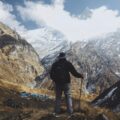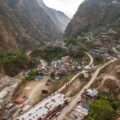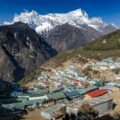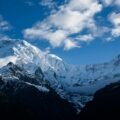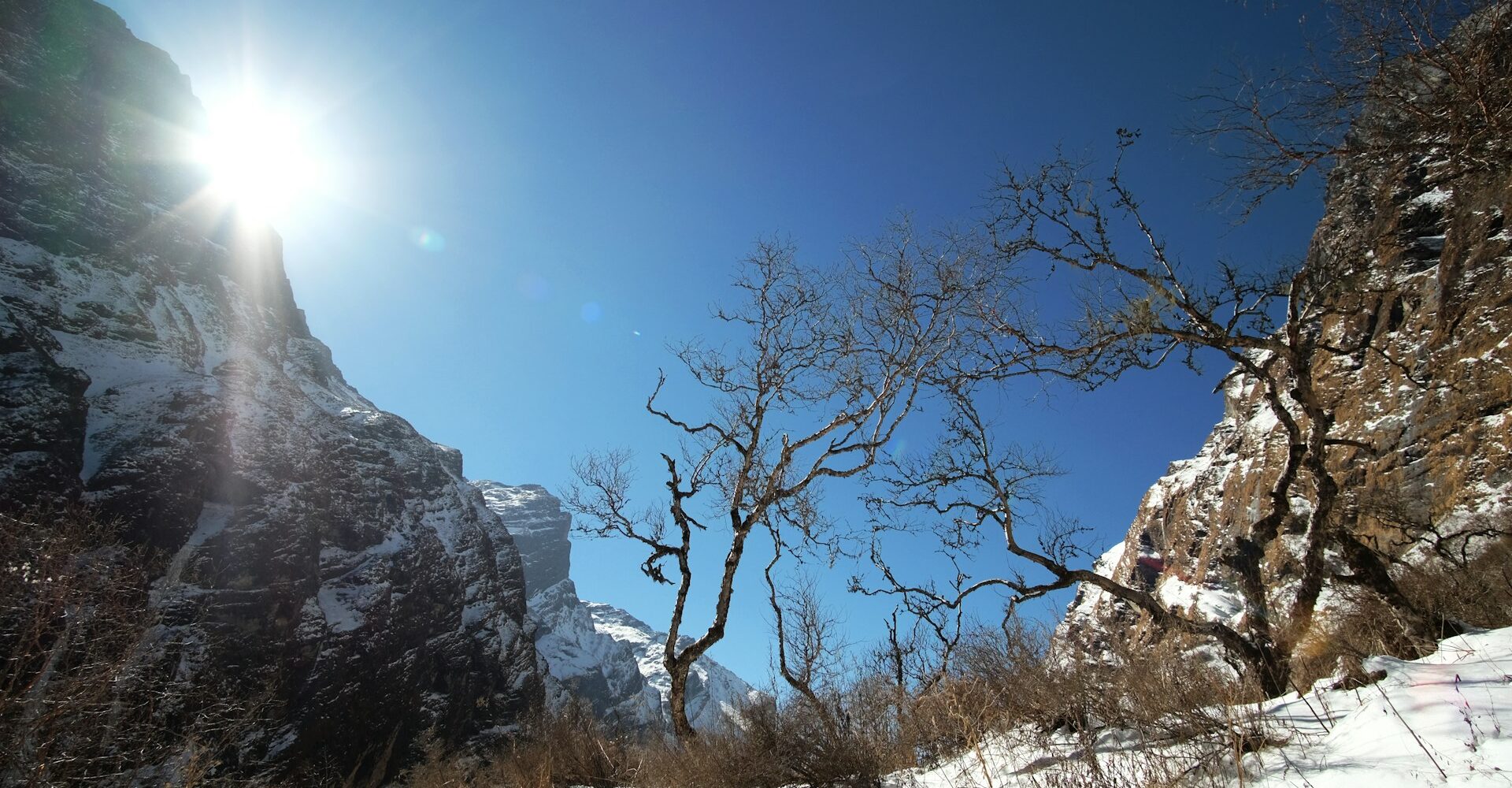
When most people close their eyes and picture a Himalayan trek, they see October’s golden light or April’s rhododendron blooms. January rarely makes the postcard. The tourist brochures have trained us to think of winter as the off-season—a time when teahouses shutter their doors and high passes disappear under avalanches of snow.
But here’s what the brochures often miss: January in Nepal is not an empty season. It’s a different season. The trails are yours. The air is so clear it feels like a secret. And the mountains, stripped of their summer crowds, reveal a version of themselves that few travelers ever witness.
This is the case for trekking in Nepal in January—not despite the cold, but because of everything the cold brings with it.
The Case for the Cold: Why January Works
Let’s start with the obvious objection: yes, January is cold. It is the coldest month of the year in Nepal . At Everest Base Camp, nighttime temperatures can plunge to -20°C (-4°F), and even daytime temps hover between -5°C and 5°C . At lower elevations like Kathmandu, the contrast is gentler—January days average around 19°C (66°F) with nights dropping to 3°C (37°F) .
But cold is not the same as miserable. January is also the driest month of the year in most of Nepal. According to Nepal’s Department of Hydrology and Meteorology, most of the country received less than 50mm of precipitation in January 2026, with 30 stations out of 120 recording zero rainfall . The monsoon is a distant memory, and the winter rains that occasionally sweep through the western hills rarely reach the high trekking corridors. The result is what photographers dream about: crystal-clear skies and atmospheric visibility that rivals even October’s famous clarity .
The practical reality? Precipitation in January is minimal. The trails, while icy in shaded sections, are not the muddy, leech-infested messes of monsoon season. For a broader seasonal comparison, the best time to visit Nepal guide breaks down what each window offers.
And then there’s the solitude. The trails that host thousands of trekkers in October are nearly empty. A January trek means walking for hours without seeing another soul, eating dinner in a teahouse with only your guide and the lodge family, and standing at viewpoints completely alone . For those who value quiet over crowds, this is not a compromise—it’s the entire point.
Where to Trek in January: Choosing the Right Route
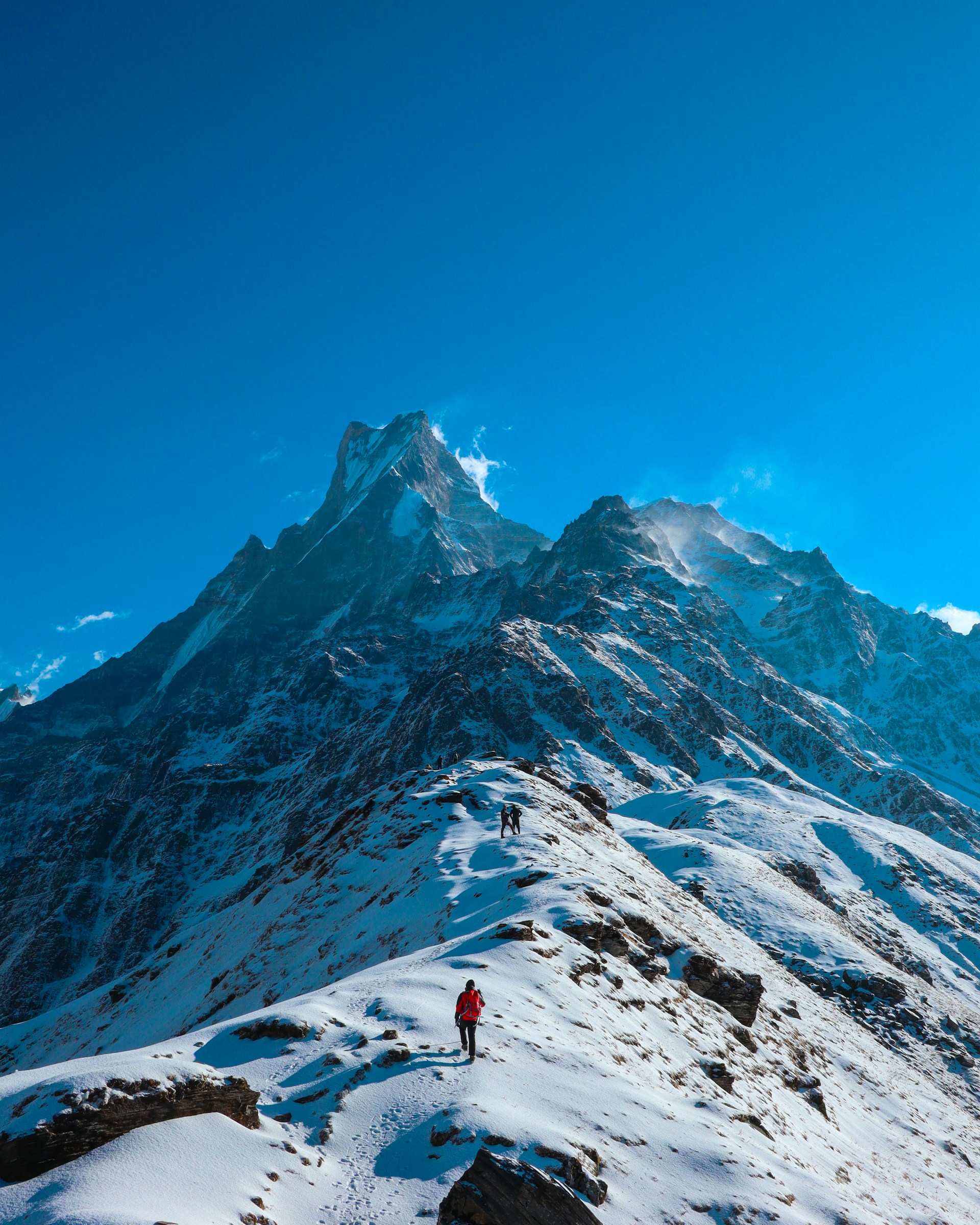
The key to a successful January trek is matching the route to the season. High passes close. Some high-altitude teahouses shut down. But a surprising number of Nepal’s best trails remain perfectly viable—and in some cases, arguably better—in the cold months.
Lower-Altitude Treks: The Sweet Spot
Ghorepani Poon Hill is widely considered the best winter trek in Nepal for good reason. At a maximum altitude of 3,210m, the cold is manageable, and the views from Poon Hill of Dhaulagiri and Annapurna are Himalayan giants at their most photogenic. Because of south-facing slopes, snow usually melts fast on the trail by midday, making the walking itself comfortable even when the mornings bite .
Langtang Valley offers a deeper mountain feel without the extreme altitude. The average January temperature ranges from a high of 16°C (60°F) to a low of 4°C (39°F), with only a 9% chance of precipitation on any given day . The valley floor is flatter and safer than narrow ridge trails, and you can trek safely up to Kyanjin Gompa (around 3,800m). Winter is a fantastic season for Langtang, especially for those looking for a less-trafficked Himalayan experience .
Lower Everest—the section from Phaplu or Lukla up to Tengboche and Namche Bazaar—remains open and accessible. The Everest Panorama Trek reaches only 3,860 meters at Tengboche Monastery, minimizing the risk of altitude sickness while offering stunning views of Everest, Lhotse, and Ama Dablam . Travelers who trekked this route in January have reported that teahouses remain open and welcoming .
What Closes (and Why That’s Okay)
The high passes—Thorong La (5,416m) on the Annapurna Circuit, Cho La (5,420m) on the Everest route, and Larkya La on the Manaslu Circuit—are typically closed or extremely dangerous from late December through March. Entire villages above 4,500m, including Gorak Shep near Everest Base Camp, often shut down completely .
This means the full Annapurna Circuit and a true Everest Base Camp trek are not recommended in January. The Chinese Embassy in Nepal has even issued formal warnings advising tourists to avoid high-altitude trekking in winter due to the elevated risk of severe altitude sickness, following incidents where multiple trekkers required emergency rescue on the EBC route . That’s not a reason to stay home—it’s a reason to choose wisely.
For a comprehensive look at which treks work in winter and which should wait for another season, the winter trek guide covers routes, safety considerations, and gear recommendations in detail.
What January Feels Like on the Trail
January trekking has its own rhythm. Days are shorter—around 10.6 hours of daylight in Langtang, with sunrise at 6:54 AM and sunset at 5:30 PM —which means earlier starts and earlier arrivals at teahouses. The sun, when it appears, is a gift. Trekkers consistently report that daytime hiking, especially below 4,000m, can be surprisingly warm in direct sunlight.
But when the sun dips, the temperature drops fast. Teahouse common rooms become gathering places around yak-dung stoves. Sleeping bags rated to -15°C or lower are not optional. Water bottles freeze if left outside overnight. The cold is real, and it demands respect.
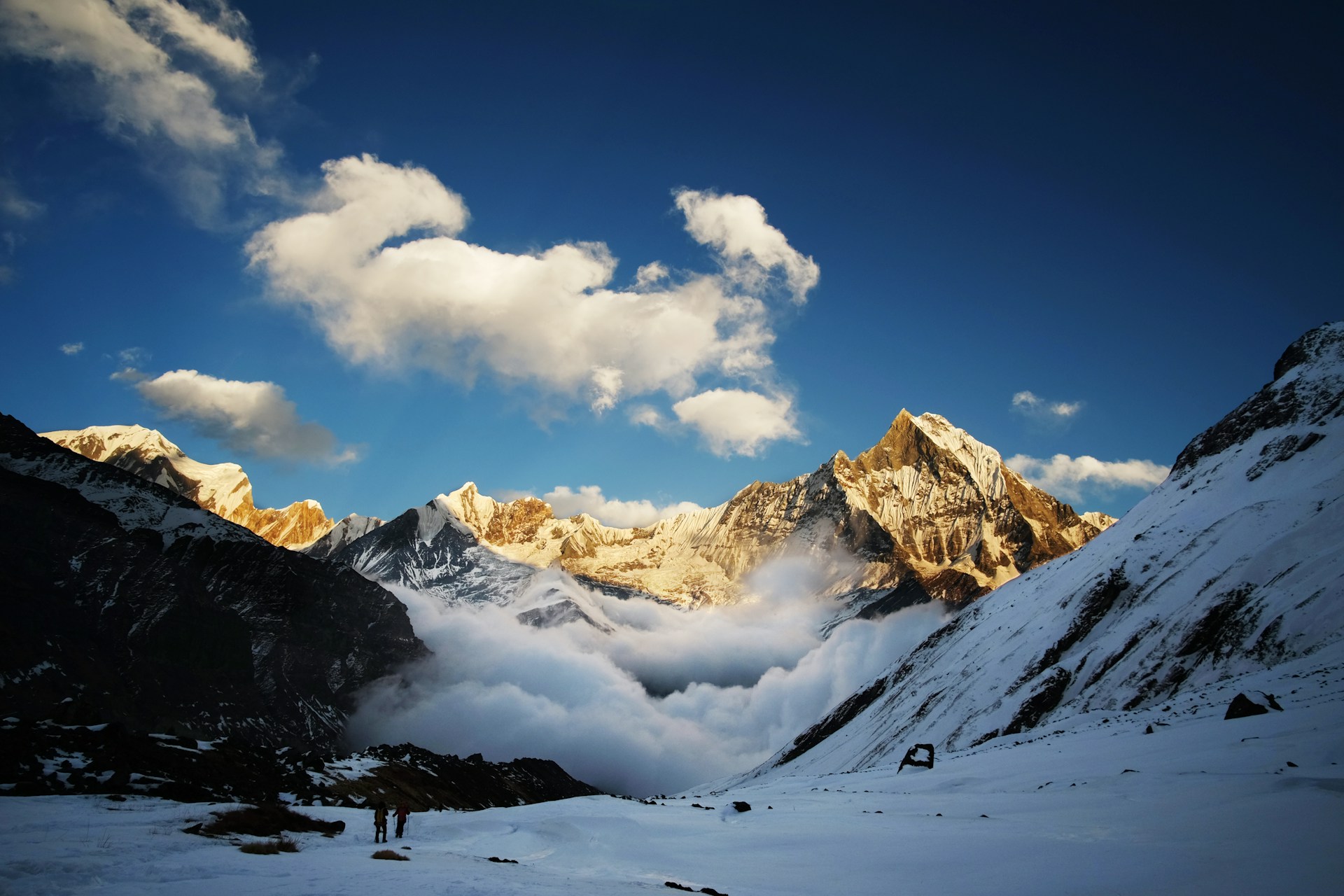
What you get in return is unmatched atmospheric clarity. The dry winter air produces views that are sharper, more defined, and more dramatic than the hazy days of spring. Professional photographers often prefer winter for exactly this reason—the combination of crystal-clear air, snow-covered peaks, and dramatic low-angle winter light creates conditions that rival or exceed October for mountain photography .
There’s also the cultural dimension. With fewer trekkers, your interactions with local communities feel more authentic. In Langtang or the lower Khumbu, you’ll see daily life without the overlay of tourism—farming, animal husbandry, religious practice. Winter is when mountain communities are at their most genuine . And if your timing aligns, you might witness Maghe Sankranti in mid-January, a festival marking the end of the coldest period, celebrated with special foods and ritual river dips .
The Practicalities: Gear, Safety, and Logistics
What to Pack
January trekking gear is non-negotiable. Comfort turns to danger quickly if you get wet or stay cold too long.
The essentials for January:
4-season sleeping bag rated to -15°C (5°F) or lower. Teahouse blankets are rarely sufficient .
Layering system: merino wool base layers, thick fleece mid-layers, and a down jacket for evenings. At high altitude (4,000m-5,500m), a full layering system including waterproof/windproof shell is essential .
Insulated, waterproof boots with good ankle support. Microspikes are a lifesaver on icy shaded trails.
Insulated water bottles. Regular Nalgenes will freeze solid within an hour in January at altitude.
Down booties for the teahouse at night—a luxury worth its weight.
For a deeper dive into packing for cold-weather trekking, including brand recommendations and layering strategies, see this detailed packing guide .
Safety Considerations
Winter trekking requires a flexible mindset and a heightened awareness of conditions.
Altitude sickness is a more serious concern in winter. The cold can mask or exacerbate symptoms, and evacuation options are more limited. The Chinese Embassy’s warning is a useful reminder that winter is a high-risk season for altitude-related emergencies . Proper acclimatization, a good guide, and a willingness to turn back if conditions demand it are essential.
Teahouse closures are a real logistical challenge at higher elevations. Always confirm ahead that a lodge is open at your planned destination. A licensed guide is mandatory for all treks in national parks since 2023, and in winter, a guide is literally a lifesaver—they know which trails are iced over, which teahouses are open, and how to read the weather signs.
Flight delays to Lukla and other mountain airstrips are more common in winter due to weather. Build in buffer days if you’re flying.
The Guide Advantage
While Nepal requires licensed guides for national park treks, the winter season makes a guide particularly valuable. They know the trails, the conditions, and the people. They can arrange accommodations, adjust itineraries on the fly, and provide the local knowledge that turns a cold trek into a meaningful one. For treks like the Everest Base Camp route in its lower sections, a guide ensures you’re on safe ground and in open lodges.
Why “Underrated” Might Be the Wrong Word
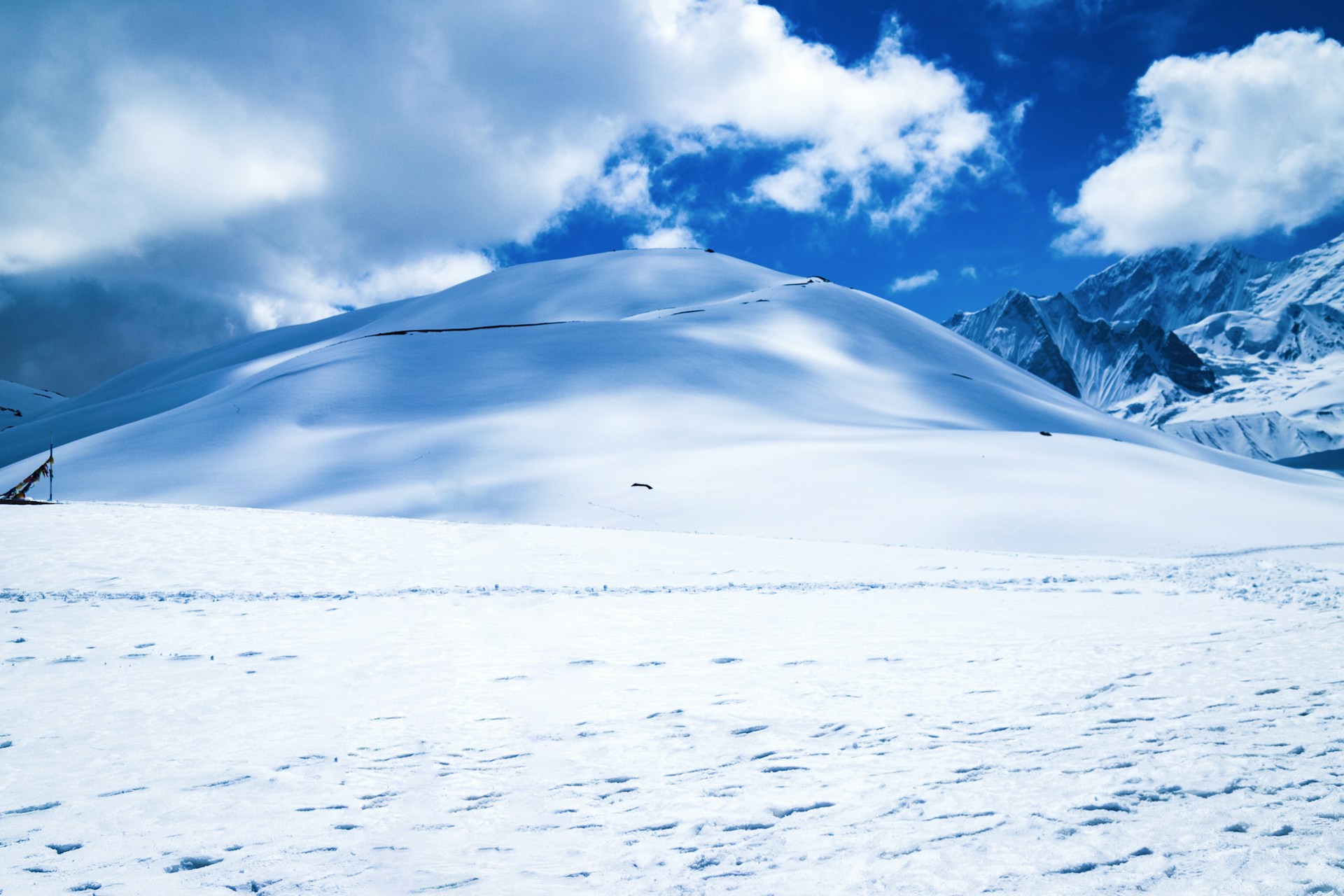
Calling January “underrated” implies that people have evaluated it and found it wanting. But most travelers simply haven’t considered it. The narrative of peak season is so dominant that winter remains invisible to many.
The trekkers who go in January aren’t settling. They’re choosing. They’re choosing solitude over crowds, clarity over comfort, authenticity over atmosphere. They’re choosing to see Nepal when it’s quiet—when the mountains feel like they belong to no one but you.
Budget travelers also find January compelling: a December or January trek can save $500–1,000 or more compared to the same route in October, with agency fees, lodge rates, and service costs at their annual lows .
The Verdict: Who Should Go (and Who Shouldn’t)
January trekking in Nepal is not for everyone. It’s not for first-time trekkers attempting high-altitude routes above 4,000m. It’s not for those who are genuinely uncomfortable in the cold or who crave the social atmosphere of crowded teahouses .
But it is for:
Photographers chasing the clearest mountain views of the year
Solitude seekers who want trails without footprints
Budget travelers who can trade warmth for significant savings
Experienced trekkers who have done the popular seasons and want something different
Culture enthusiasts who value genuine immersion over comfort
For those who fit these categories, January offers a version of Nepal that most travelers never see. The cold is real. The logistics require care. But the rewards—the silence, the clarity, the sense of having the Himalayas to yourself—are worth every frozen water bottle and early sunset.
The best time to visit Nepal is not a single answer. It depends on what you’re seeking. If you’re seeking quiet, January delivers.
And if you’re seeking something even more unusual, consider trekking in Nepal during monsoon—another underrated window when rain-shadow regions like Upper Mustang and Dolpo offer dry, dramatic landscapes while the rest of Nepal gets drenched.
External Links & Resources
Nepal Tourism Board – Official Climate Information: https://trade.ntb.gov.np/know-nepal/climate/
Department of Hydrology and Meteorology (DHM) – January 2026 Climate Report: https://dhm.gov.np/uploads/dhm/climateService/1782469343_3da64e1c54561ccb5b53.pdf
Chinese Embassy in Nepal – Winter Trekking Safety Warning: https://np.china-embassy.gov.cn/lsfw/lstx/lsaqtx/202507/t20250702_11663449.htm
Ready to plan a winter trek? A local operator can help you choose routes, arrange guides, and ensure your January adventure is as safe as it is unforgettable.