
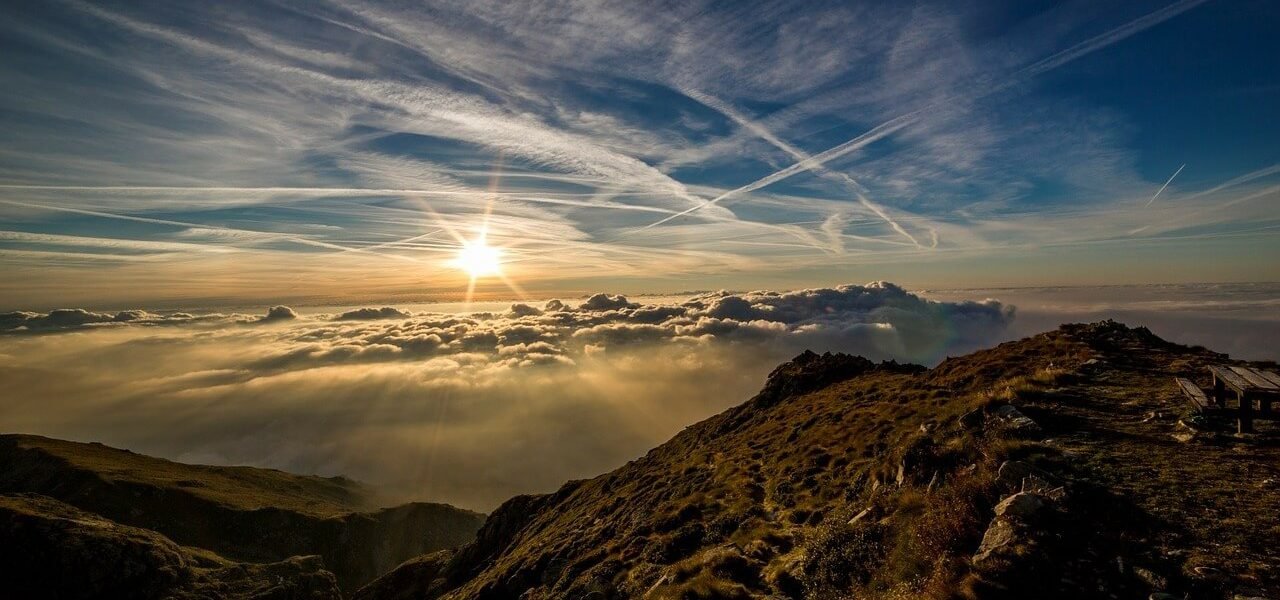
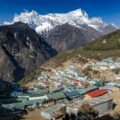
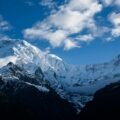
When the crowds thin and the skies clear, Nepal reveals its most intimate and breathtaking self.
Winter in Nepal—spanning December through February—is a season that transforms this already spectacular country into something truly magical. While many travelers flock to Nepal during the peak autumn and spring seasons, winter offers a quieter, more personal experience with its own unique charm.
Here’s the thing: tourism numbers drop significantly in winter. In the 2023-2024 winter season, Nepal received 273,098 visitors, compared to over 329,000 in spring 2024. That means you get clearer trails, more attentive service, and a deeper connection to the places you visit.
Let’s explore the best winter destinations this Himalayan nation has to offer.
Why Winter is Nepal’s Best-Kept Secret
Before diving into the destinations, let’s appreciate what makes winter trekking and touring in Nepal special:
| Advantage | What It Means For You |
|---|---|
| Crystal-clear skies | Dry winter air means unrivaled mountain views; the Himalayas are crisp and sharp |
| Fewer crowds | Peaceful trails and quieter teahouses; you’ll have the mountains almost to yourself |
| Snow-dusted landscapes | Villages and forests transform into a winter wonderland |
| Authentic cultural encounters | More time to chat with locals when teahouses aren’t bustling |
| Off-season prices | Better deals on accommodation and services |
“Winter in Nepal offers a quieter, clearer, and more personal way to experience the Himalayas… peaceful trails, snow-dusted villages, and remarkably clear mountain views.”
Top Winter Destinations in Nepal
1. Kathmandu Valley – Cultural Heartbeat in Winter
The Kathmandu Valley is a living museum of Nepal’s history and culture. Winter amplifies its charm, with daytime temperatures ranging from 2°C to 18°C—perfect for exploring.
Don’t Miss:
- UNESCO World Heritage Sites like Swayambhunath (Monkey Temple), Pashupatinath, and Patan Durbar Square
- Phulchowki Hill (2,762 m) – just 20 km from the city, often experiencing light snowfall
- Chandragiri Hills – accessible by cable car, offering panoramic Himalayan views
Tip: Evenings in Kathmandu can be crisp and cold, especially in traditional buildings without heating.
2. Pokhara – The City of Lakes

Pokhara sits cleanest and happiest in the winter months, with temperatures ranging from 4°C to 20°C. The clear skies provide perfect conditions for admiring snow-capped peaks reflected on Phewa Lake.
Winter Activities:
- Paragliding – soar over the Annapurna range under crystal-clear skies
- Hike to World Peace Pagoda – gentle trek with rewarding views
- Sunrise at Sarangkot – watch the Annapurna range glow in golden hues
- Boating on Phewa Lake – peaceful and crisp
Historical tidbit: Pokhara served as a trading route between Tibet and India, and its old bazaars still retain that charm.
3. Nagarkot – Sunrise Over the Himalayas
Just 32 km east of Kathmandu, Nagarkot offers breathtaking sunrise views over the Himalayas—including Mount Everest on exceptionally clear days.
Winter Highlights:
- Temperatures: 0°C to 10°C, often with snow-dusted hills
- Historically served as a military outpost
- Unobstructed views of the Langtang range and other peaks
Tip: Stay overnight to catch the unforgettable sunrise; winter snow adds an extra layer of magic.
4. Chitwan National Park – Jungle Safari in Winter

For a complete change of scenery, head south to the Terai plains. Winter is arguably the best time for jungle safaris, with temperatures between 8°C and 23°C.
What You Can Spot:
- One-horned rhinoceroses
- Bengal tigers (elusive but present)
- Various deer species
- Migratory birds (winter is peak birdwatching season)
“The air is misty with fog through the tall grassland. You spot the grasses moving and as you turn your head to catch the movement, a mighty Rhino is staring at you…”
5. Kalinchowk – Snow Lover’s Paradise
Drive just a few hours from Kathmandu and you’ll reach this winter wonderland at 3,842 meters. Kalinchowk is one of the most popular places to visit in Nepal in December for snowfall.
Highlights:
- Kalinchowk Bhagwati Temple – a revered Hindu shrine
- Skiing and snowboarding opportunities
- Transformative snow experience for those who rarely see white winters
Insider tip: Visit during weekdays to avoid the local weekend crowds.
6. Bandipur – A Step Back in Time
This hilltop town between Kathmandu and Pokhara feels like stepping into an ancient Nepali painting. Known for its well-preserved Newari architecture, Bandipur is a timeless cultural gem.
Winter Experience:
- Temperatures: 5°C to 15°C
- Explore Siddha Gufa – the largest cave in Nepal
- Walk cobbled streets lined with traditional shops and eateries
“Bandipur feels like stepping into an ancient Nepali painting. One where you witness with intricate details of life from a different time.”
7. Lumbini – The Birthplace of Buddha
Located in Nepal’s southern plains, Lumbini is a serene spiritual destination drawing pilgrims and peace-seekers worldwide.
Winter Advantages:
- Temperatures: 7°C to 20°C – comfortable for exploration
- Fewer crowds for a more intimate experience at Maya Devi Temple and monasteries
- UNESCO World Heritage Site with over 2,500 years of pilgrimage history
8. Lower Mustang – The Forbidden Kingdom
For a completely different winter experience, Mustang’s rain-shadow desert remains dry and accessible. Explore Tibetan-influenced landscapes, dramatic canyons, and medieval cave systems.
Key Destinations:
- Muktinath Temple – a sacred pilgrimage site
- The walled city of Lo Manthang
- Marpha – famous for apples and apple brandy
Note: Temperatures can drop below freezing, and some guesthouses close for the season. Pack proper cold-weather gear.
9. Rara Lake – A Hidden Frozen Jewel
Nepal’s largest lake becomes even more enchanting in winter. Located in the remote northwest, Rara Lake sits at the heart of Rara National Park, surrounded by snow-dusted pine forests and rugged hills.
Winter Magic:
- Temperatures can drop to -10°C
- The lake partially freezes, creating a stunning icy surface
- Peaceful, otherworldly atmosphere with minimal tourists
“Rara Lake in winter is a sanctuary for the once-seeking wonders that this season can bring.”
Best Winter Treks
While high-altitude treks become challenging, several routes are perfect for winter adventures:
| Trek | Max Altitude | Duration | Why in Winter |
|---|---|---|---|
| Ghorepani Poon Hill | 3,210 m | 4-6 days | Stunning sunrise views; beginner-friendly; snow-dusted forests |
| Langtang Valley | 3,870 m | 7-10 days | Peaceful valley; Tamang culture; snow-capped peaks |
| Mardi Himal | 4,250 m (viewpoint) | 5-7 days | Off-beat; Machhapuchhre views; crisp winter scenery |
| Everest View | 3,860 m | 5-7 days | Everest views without extreme altitude; Sherpa culture |
| Annapurna Base Camp | 4,130 m | 10-12 days | Heart of the Annapurna Sanctuary; challenging but rewarding |
| Pikey Peak | 4,065 m | 6-8 days | Sir Edmund Hillary’s favorite Everest view; hidden gem |
Winter Trekking Temperatures: What to Expect
Here’s a quick guide to what you’ll face on the most popular winter treks:
Ghorepani Poon Hill Trek
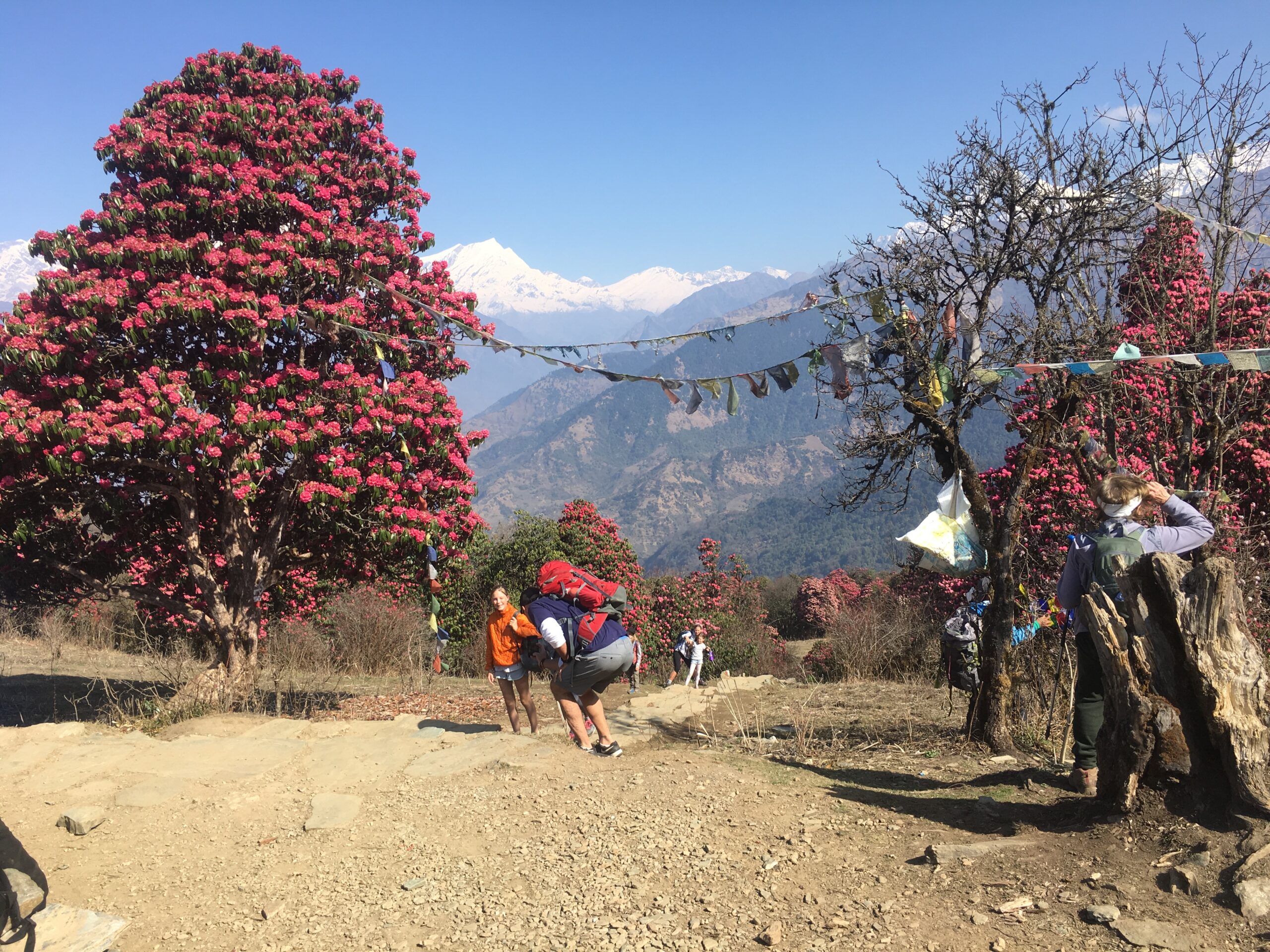
| Location | Altitude | Day Temperature | Night Temperature |
|---|---|---|---|
| Lower areas (Nayapul) | ~1,000 m | 10°C – 15°C | 2°C – 5°C |
| Ghorepani | 2,750 m | 5°C – 10°C | -5°C – 0°C |
| Poon Hill | 3,210 m | 3°C – 8°C | -8°C – -4°C |
Langtang Valley Trek
| Location | Altitude | Day Temperature | Night Temperature |
|---|---|---|---|
| Syabrubesi | 1,550 m | 10°C – 15°C | 2°C – 5°C |
| Langtang Village | 3,430 m | 5°C – 8°C | -5°C – -2°C |
| Kyanjin Gompa | 3,870 m | 3°C – 7°C | -8°C – -5°C |
Annapurna Base Camp Trek
| Location | Altitude | Day Temperature | Night Temperature |
|---|---|---|---|
| Nayapul/Ghandruk | 1,070–1,940 m | 10°C – 15°C | 3°C – 6°C |
| Bamboo | 2,310 m | 7°C – 10°C | -1°C – 2°C |
| MBC | 3,700 m | 4°C – 7°C | -8°C – -5°C |
| ABC | 4,130 m | 3°C – 6°C | -10°C – -8°C |
Data sources:
Winter Festivals Worth Experiencing
Winter coincides with several vibrant festivals:
| Festival | Month | Celebration |
|---|---|---|
| Yomari Punhi | December | Newar community marks rice harvest with sweet dumplings |
| Maghe Sankranti | January | Renewal festival featuring sesame seeds, ghee, and yam |
| Losar | January/February | Tibetan New Year – Sherpa and Tibetan communities celebrate with rituals, feasts, and performances |
“Festivals like Tamu Losar, Sonam Losar, Gyalpo Losar, and Maghi are some of the chief attractions for tourists who get to observe the traditional manner of celebration…”
Essential Winter Packing Guide
To make the most of your winter adventure, pack smart:
Clothing (Layered System)
- Thermal base layers (top and bottom)
- Fleece or down jacket
- Waterproof outer jacket and pants
- Warm hat, gloves, and neck gaiter
- Insulated trekking boots with wool socks
Equipment
- Sleeping bag rated for -15°C or below
- Trekking poles (for icy sections)
- Microspikes or crampons (crucial for icy trails)
- Sunglasses and sunscreen (snow glare is intense)
- Headlamp (days are shorter)
“Test your gear before the trek. Good boots and proper layers keep you warm and injury-free.”
Winter Trekking Challenges and Precautions
Be prepared for:
- Snowstorms – January can bring heavy snowfall; always check weather forecasts
- Short days – Sunset around 5:00-5:30 PM; start early
- Freezing nights – Temperatures can drop to -15°C above 3,000 m
- Limited lodges – Some teahouses close for the season at higher altitudes
Safety Tips:
- Hire a licensed guide who knows winter conditions
- Build extra days into your itinerary for weather delays
- Follow “climb high, sleep low” for acclimatization
- Stay hydrated and eat warm meals regularly
- Be flexible – heavy snowfall may require route changes
Conclusion: Embrace the Magic
Nepal in winter offers a magical blend of adventure, culture, and natural beauty that you simply won’t find during the busier seasons. The crisp weather, clear skies, and snow-covered peaks create a serene yet vibrant atmosphere—perfect for both exploration and relaxation.
From the cultural riches of Kathmandu and the peaceful lakes of Pokhara to the wildlife of Chitwan and the snow-dusted trails of Poon Hill, winter reveals Nepal’s hidden treasures in their most intimate form.
With fewer crowds, it’s an ideal time to uncover Nepal’s magic—from the adventurous to the tranquil, winter has something for everyone, ensuring memories that will linger long after you leave.
Ready to experience Nepal in winter? Contact us to plan your custom winter itinerary—whether you’re seeking a gentle cultural tour or a snow-dusted trekking adventure.
0 Comments